






Popular
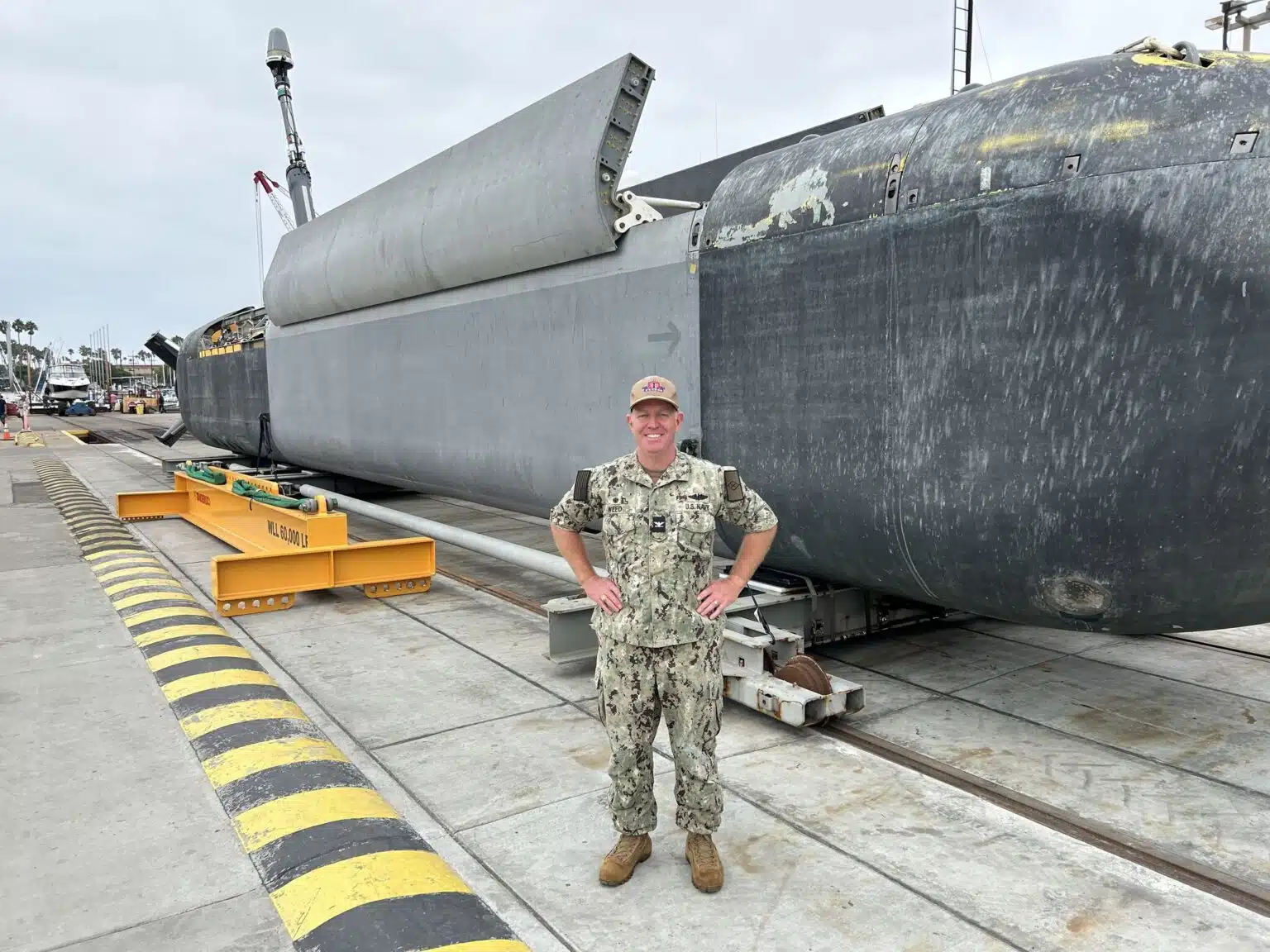
In July, the U.S. Navy’s newest Orca XLUUV autonomous underwater vehicle traveled 1,852 kilometers across the Pacific Ocean, marking the vehicle’s longest known transit.
Naval News reported this.
The submarine reportedly traveled through the eastern Pacific.
It is unknown whether it carried a payload or weapons during the transit or which specific missions it performed.
In the future, Orca is planned to be equipped with the Hunter module, a payload that will allow it to conduct mine-laying operations in waters inaccessible to conventional submarines. Procurement of these modules is expected to be approved in late 2027 or early 2028.
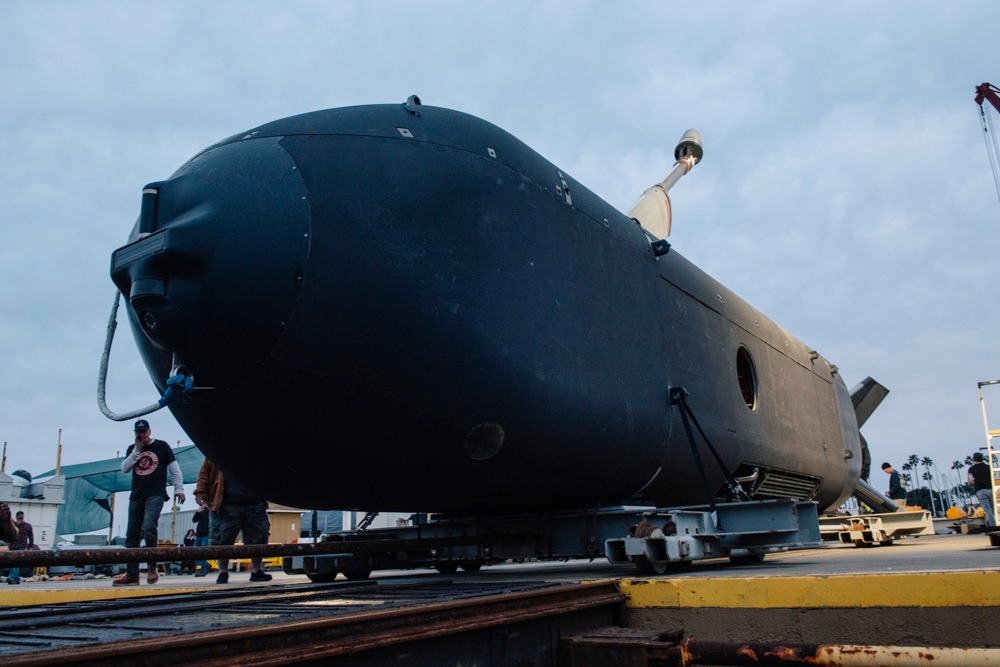
The U.S. Navy received its first Orca in December 2023.
Orca XLUUV (Extra Large Uncrewed Undersea Vehicle) is an autonomous underwater vehicle designed for long-duration operations in demanding environments.
Development of the uncrewed platform began in 2017, when the U.S. Navy awarded Boeing a contract to develop it. Shipbuilder Huntington Ingalls Industries later joined the project.
The U.S. Navy allocated $43 million for the project, with plans to build four prototypes. In March 2019, a fifth Orca was ordered.
The 80-ton, 26-meter-long vehicle features a modular design that allows it to be adapted more easily for different missions.

The vehicle’s propulsion system consists of a hybrid diesel-electric system combined with lithium-ion batteries. This combination is intended to allow the vehicle to remain at sea for several months at a time while traveling at about 3 knots (5 km/h).
A payload module can be installed in the vehicle’s stern section. The 10-meter-long section can accommodate a payload weighing up to eight tons. It is primarily intended for carrying naval mines.
The U.S. Navy also plans to equip the uncrewed platform with other modules for mine-clearing, electronic warfare and underwater surveillance operations.

Orca autonomous underwater vehicle. Photo: Boeing
Future payloads are expected to include a synthetic aperture sonar that will allow Orca to map the seafloor.
In addition, the U.S. Navy is interested in integrating various weapons systems into the uncrewed vehicle, including torpedoes, cruise missiles and even aerial drones.
Підтримати нас можна через:
Приват: 5169 3351 0164 7408 PayPal - [email protected] Стати нашим патроном за лінком ⬇
Subscribe to our newsletter
or on ours Telegram
Thank you!!
You are subscribed to our newsletter