




Popular
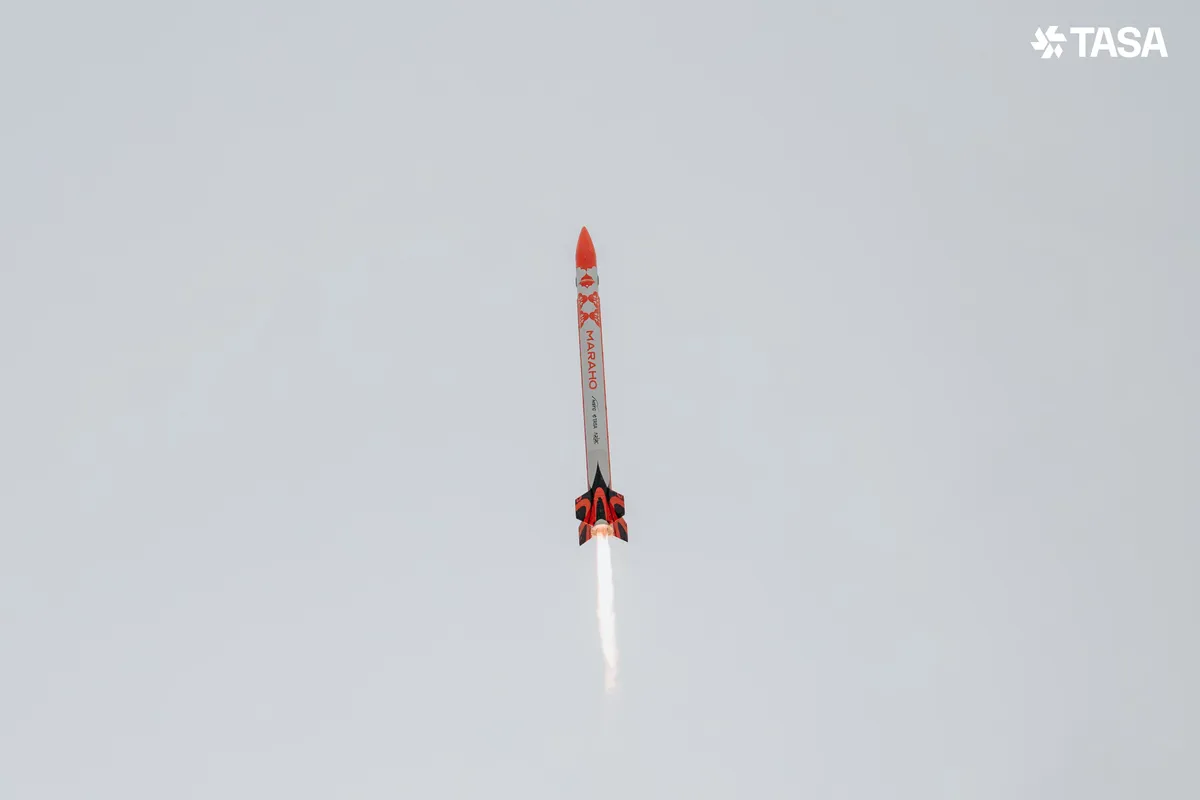
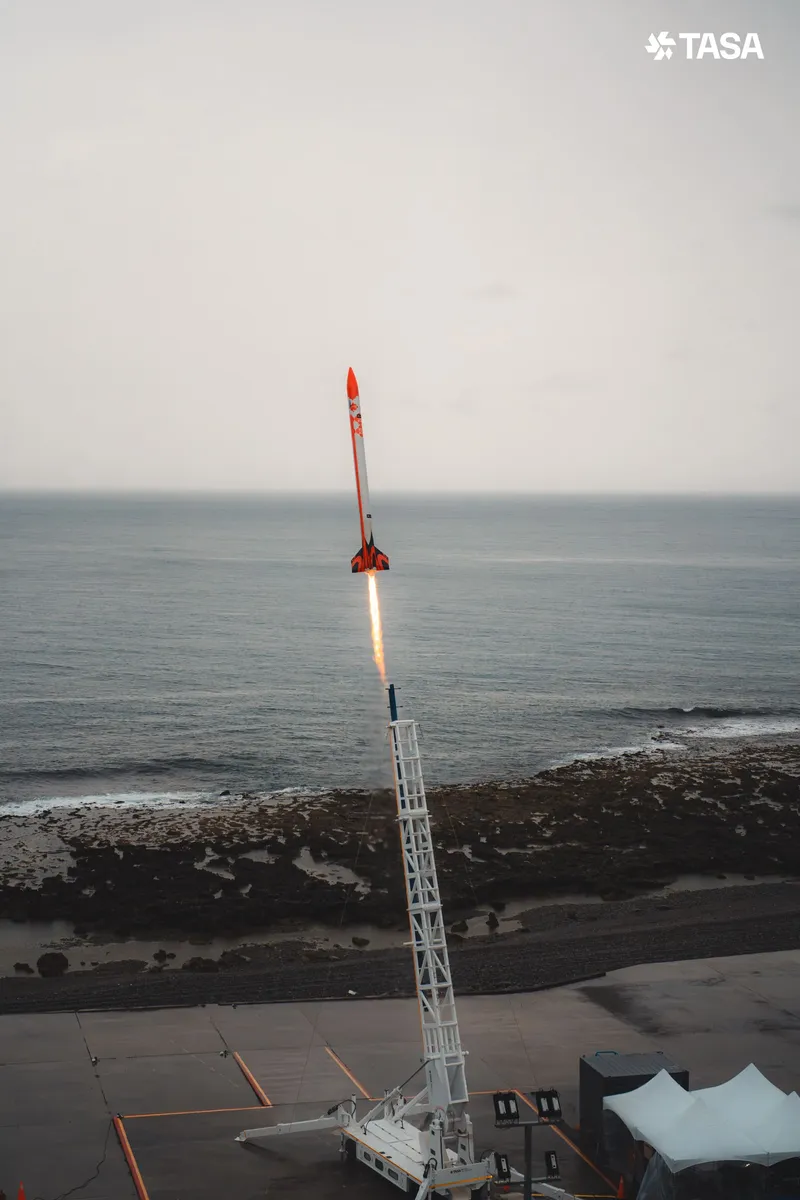
Taiwan has successfully conducted the first launch of its domestically developed MARAHO sounding rocket, marking another step toward the country’s development of its own space launch vehicles.
Taiwan Space Agency (TASA) reported on this.
During the launch, the MARAHO reached a speed of approximately Mach 1.2 and an altitude of 8.1 km.
The launch took place on August 22 at 7:10 a.m. local time from the Syuhai Research Rocket Launch Site in Pingtung County.
The MARAHO remained in flight for 432 seconds and reached its maximum altitude 49 seconds after launch. The rocket also successfully deployed its parachute before falling into the sea.
After the flight, specialists attempted to recover the rocket from the sea, but strong waves and the vehicle’s drift made the recovery impossible.
However, TASA had already collected the necessary data during the flight, so the loss of the rocket did not affect the completion of the test’s main objectives.
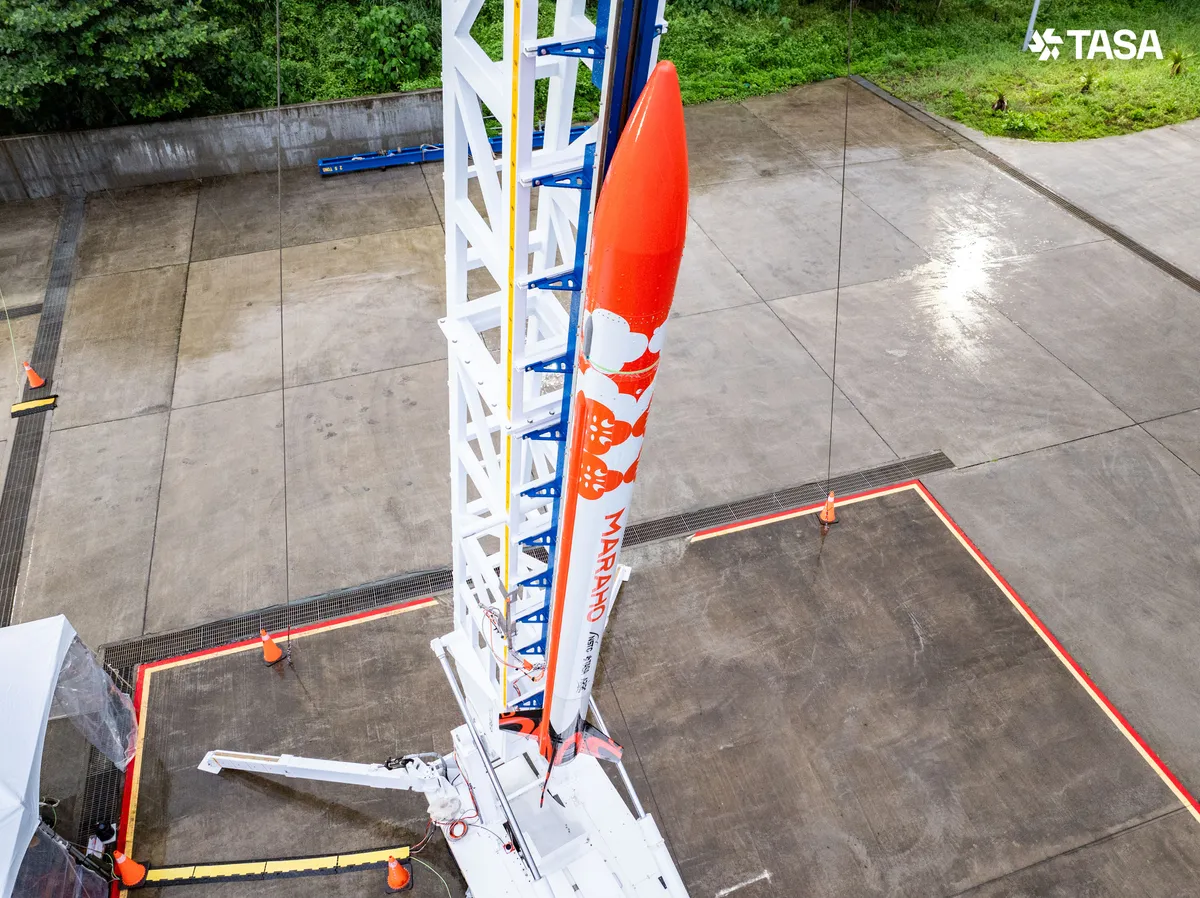
The MARAHO is 7.2 meters in length and 0.4 meters in diameter. The vehicle is powered by a hybrid propulsion system using 90% hydrogen peroxide as the oxidizer and polypropylene as the fuel.
The MARAHO flight test forms part of TASA’s long-term development program for an indigenous space launch vehicle.
The official program calls for the launch of a suborbital test vehicle (STV) in 2029, followed by a second test vehicle in 2030–2031. The first test flight of an orbital launch vehicle is planned for 2034. TASA aims to develop a rocket capable of placing up to 200 kg of payload into low Earth orbit (LEO).
Despite the active development of missile systems, Taiwan largely focused on military rocketry for many years while giving limited attention to the development of indigenous launch vehicles for placing satellites into orbit.
The current tests are being conducted as part of a program to develop a two-stage launch vehicle powered by liquid-propellant engines, capable of delivering up to 200 kg of payload to an orbit approximately 500–600 km above Earth.
Implementation of the program is intended to provide Taiwan with an indigenous capability to independently launch satellites into orbit and reduce its reliance on foreign launch service providers.
TASA also plans to further improve the performance of the prospective launch vehicle. In the longer term, the agency is considering the development of a three-stage hybrid rocket capable of increasing the payload capacity to up to 600 kg.
However, even after establishing its own launch capability, Taiwan will remain partly dependent on foreign countries, particularly the United States, which currently provides a significant share of launch services for Taiwan’s satellites.
Підтримати нас можна через:
Приват: 5169 3351 0164 7408 PayPal - [email protected] Стати нашим патроном за лінком ⬇
Subscribe to our newsletter
or on ours Telegram
Thank you!!
You are subscribed to our newsletter