


Popular
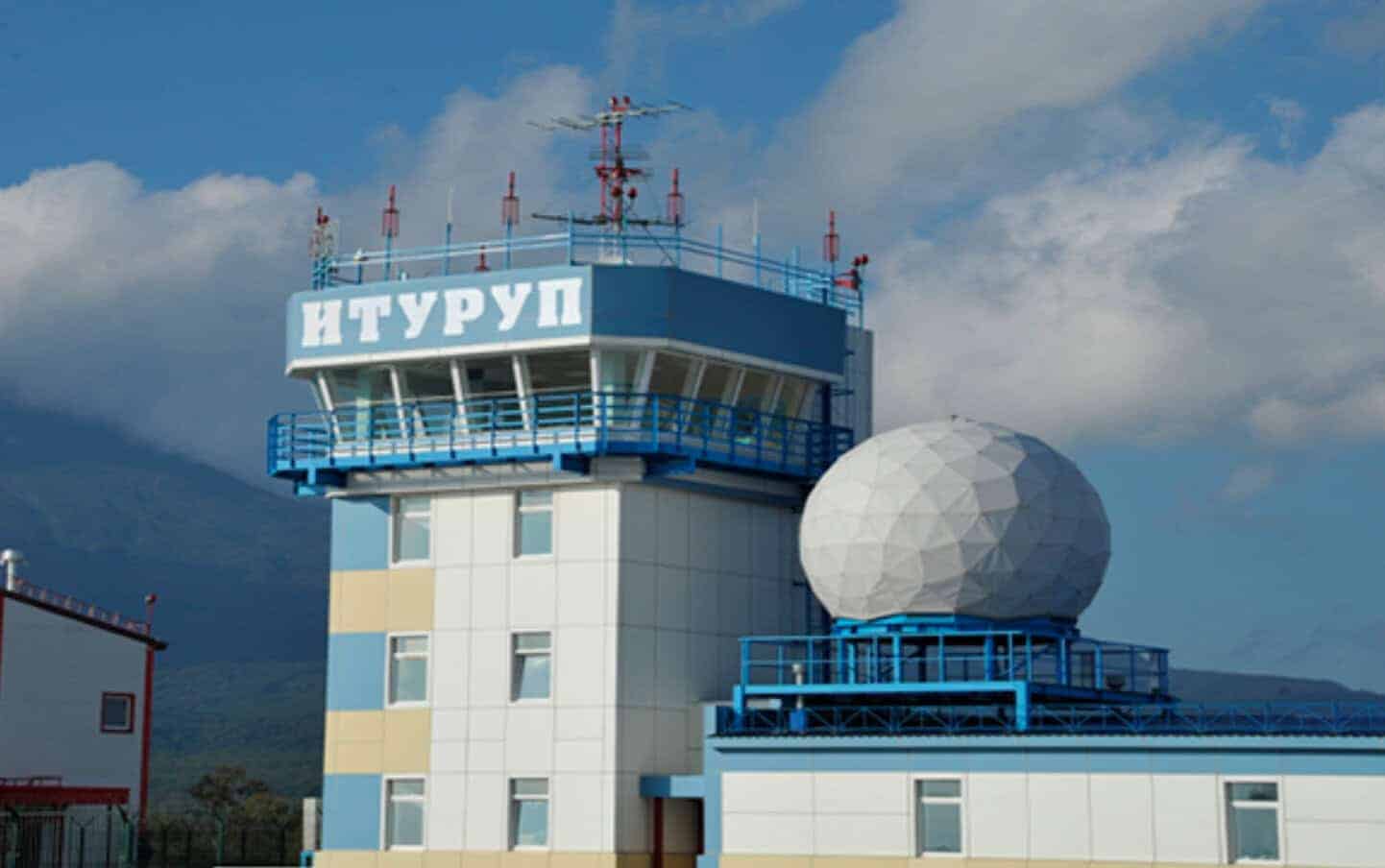
Japan reacted sharply to Vladimir Putin’s visit on August 13 to Iturup, which Tokyo considers its territory.
The Japanese Ministry of Foreign Affairs released a statement by Foreign Minister Toshimitsu Motegi regarding the incident.
During his trip, Putin visited local facilities, including a fish-processing plant, a school, and a hospital, and spoke with the island’s residents.
The visit took place amid Russia’s increased military presence in the Kuril Islands. Moscow considers the archipelago a strategically important region, and there is a military airbase on Iturup.
The Japanese Prime Minister called the Russian president’s trip “absolutely unacceptable.” According to her, the visit contradicts Tokyo’s consistent position on the Northern Territories.

The Ministry of Foreign Affairs stated that the Northern Territories are part of Japanese sovereignty. Officials there emphasized that Putin’s unilateral visit would have a negative impact on relations between the countries, which have already deteriorated due to Russian aggression against Ukraine.
Motegi reported that his ministry had summoned the Russian ambassador and lodged a protest with him. The Japanese side asked the diplomat to convey Tokyo’s position to the Russian government.
The Kuril Islands are an archipelago located between the Japanese island of Hokkaido and Russia’s Kamchatka Peninsula. The territorial dispute between Russia and Japan concerns its four southern islands: Iturup, Kunashir, Shikotan, and the Habomai group of islands. Japan refers to them as the Northern Territories.
The border between the Russian Empire and Japan in the Kuril Islands was first clearly defined by the Treaty of Shimoda in 1855. In 1875, under the Treaty of Saint Petersburg, Russia ceded all of the Kuril Islands to Japan in exchange for recognition of Russian control over Sakhalin.

After the end of World War II, the Soviet Union established control over the entire Kuril Archipelago. Japan subsequently renounced its rights and claims to the Kuril Islands under the 1951 peace treaty; however, Moscow did not sign that document. Tokyo, meanwhile, maintains that the four southern islands are not among the territories to which Japan renounced its claims.
In 1956, the USSR and Japan restored diplomatic relations and ended the formal state of war, but they never concluded a peace treaty. The Soviet side agreed to transfer Shikotan and Habomai to Japan after the conclusion of a peace treaty, but Tokyo insisted on the return of all four islands.
In the decades that followed, Moscow and Tokyo attempted to resolve the territorial dispute but were unable to reach an agreement. Russia continues to administer the islands, while Japan considers them an occupied part of its own country.
Підтримати нас можна через:
Приват: 5169 3351 0164 7408 PayPal - [email protected] Стати нашим патроном за лінком ⬇
Subscribe to our newsletter
or on ours Telegram
Thank you!!
You are subscribed to our newsletter