



Popular
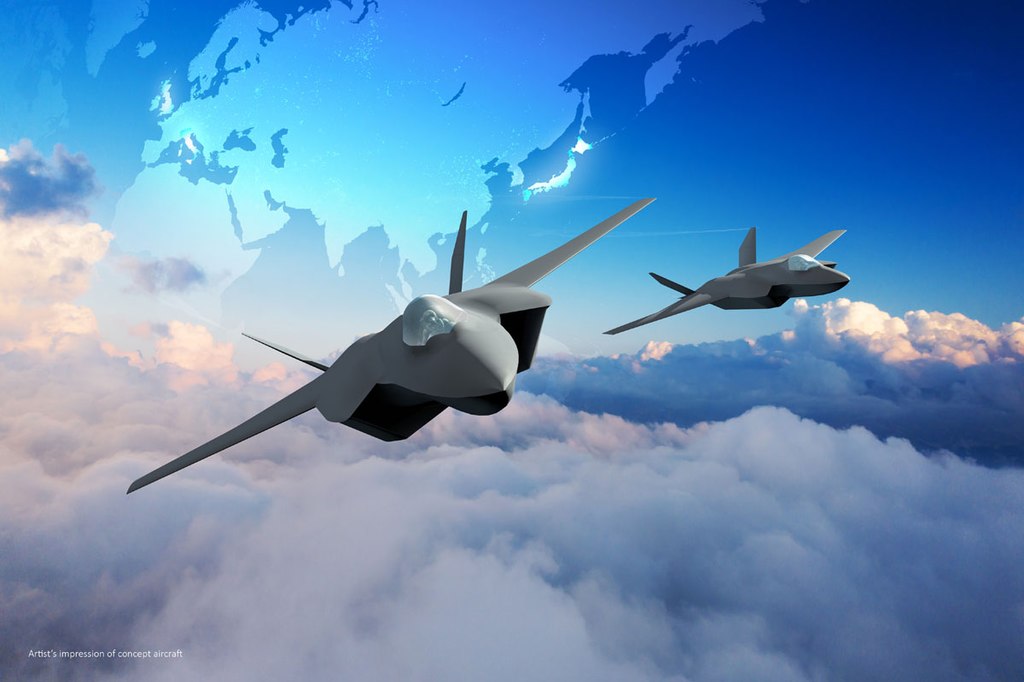
Italian Defense Minister Guido Crozetto stated that the United Kingdom does not fully share technology with Italy and Japan as part of the sixth-generation Global Combat Air Power (GCAP) fighter jet project.
Reuters reported this.
Crozetto also called on London to remove “barriers of ego”. According to him, the exchange of technology under conditions of joint investment is key to building a serious partnership.
“You have to break down some barriers of ego. Italy has broken them down completely, and Japan almost completely. It seems to me that the UK is reluctant to do this, and this is a mistake, because selfishness is the worst enemy of nations,” he said.
At the same time, he did not specify which technologies he believes the British side can restrain.
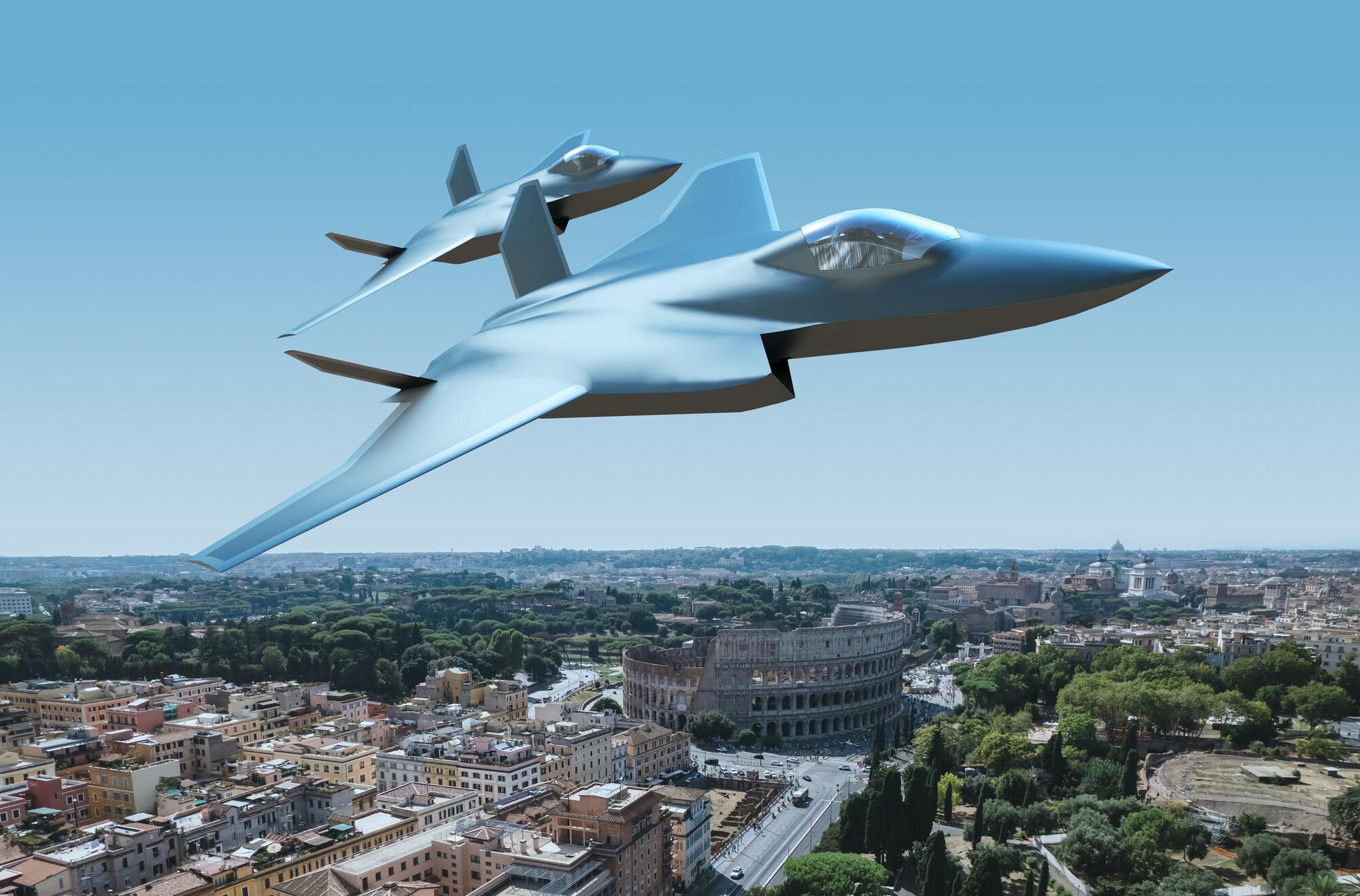
The Global Combat Air Program (GCAP) is a joint program of the United Kingdom, Italy, and Japan aimed at creating a sixth-generation fighter aircraft that should enter service by 2035.
It combines the national developments of three countries: the British Tempest, Italian efforts based on the Leonardo company, and the Japanese F-X program.
The key participants in the project are British BAE Systems, Italian Leonardo, and Japanese Mitsubishi Heavy Industries. Rolls-Royce, IHI Corporation, and other leading manufacturers are involved in the development of the engine.
All three countries are seeking to create not only a technologically advanced aircraft, but also to maintain strategic autonomy by reducing dependence on American or other foreign arms suppliers.
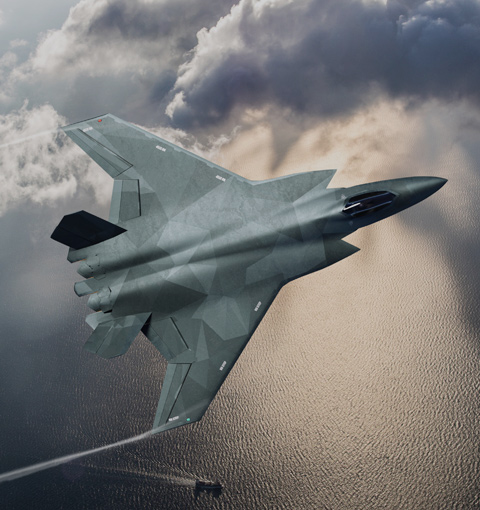
In July 2024, it was announced that BAE Systems had started assembling the first prototype of the new generation fighter jet, the BAE Tempest.
According to the plans, the process is expected to be completed by 2026. The aircraft design has been approved by both the company’s experts and the Royal Air Force, and is expected to make its first flight in 2027.
GCAP is also competing with other such initiatives, including the European FCAS program, which France, Germany, and Spain are developing.
Eric Trappier, the CEO of the French aerospace company Dassault Aviation, has recently expressed dissatisfaction with the progress of cooperation with Airbus under the European FCAS (Future Combat Air System) program, which aims to develop a sixth-generation fighter jet.
According to him, work on the project of a new combat aircraft, the NGF (Next Generation Fighter), is progressing too slowly, and the main reason for this is the difficulties in dividing responsibilities between the participating companies.
Trappier emphasized that uncertainty about responsibility for certain project elements delays key decisions and slows overall progress.

He was especially critical of the states, which, in his opinion, should play a more active role in coordinating the process, ensuring a clear division of tasks between industrial partners.
According to initial plans, the program was supposed to enter the full development stage in 2026, with the first flight of the demonstrator scheduled for 2029. However, the current dynamics raise doubts about meeting these deadlines.
Підтримати нас можна через:
Приват: 5169 3351 0164 7408 PayPal - [email protected] Стати нашим патроном за лінком ⬇
Subscribe to our newsletter
or on ours Telegram
Thank you!!
You are subscribed to our newsletter