

Popular

Nearly half of the staff at the Russian Embassy in Budapest are linked to various Russian intelligence agencies.
This is according to an investigation by the Agency media outlet.
The media discovered that of the 47 accredited staff members at the diplomatic mission, 15 are linked to military intelligence—the Main Directorate of the General Staff (formerly the GRU) or the FSB.
At the same time, six others may also have ties to intelligence agencies, the report notes.
Journalists found that embassy staff often have backgrounds typical of career intelligence officers: training at specialized intelligence academies or registration at addresses of agency facilities in Moscow.
In particular, the diplomatic mission’s staff includes individuals whose previous employment and education directly indicate an affiliation with intelligence, which is standard practice for establishing intelligence networks under diplomatic cover.
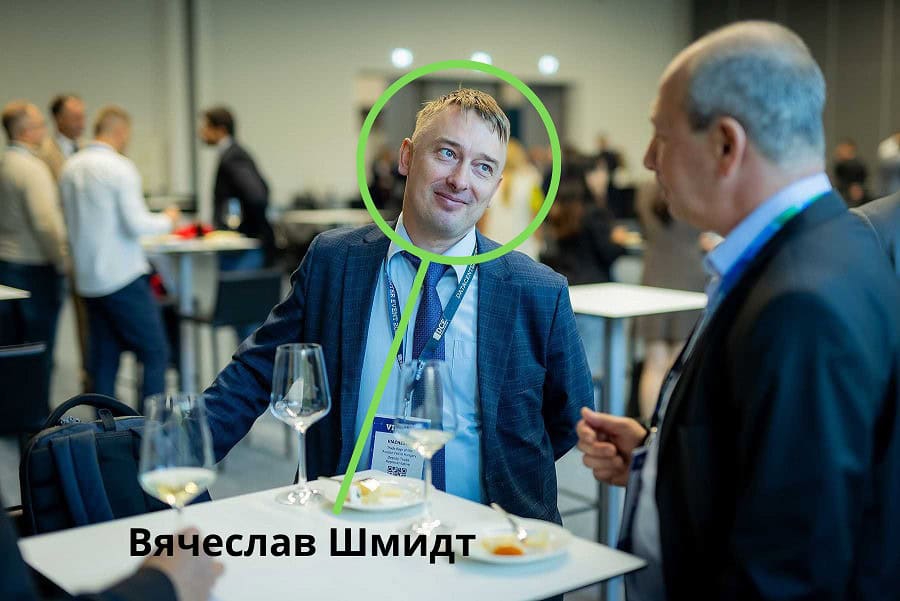
For example, 43-year-old Vyacheslav Schmidt, the First Counselor at the embassy in Hungary, listed a Moscow address on Marshal Biryuzov Street as his registered residence in 2024—a building where at least three employees of the Main Directorate of the General Staff (military intelligence) are also registered.
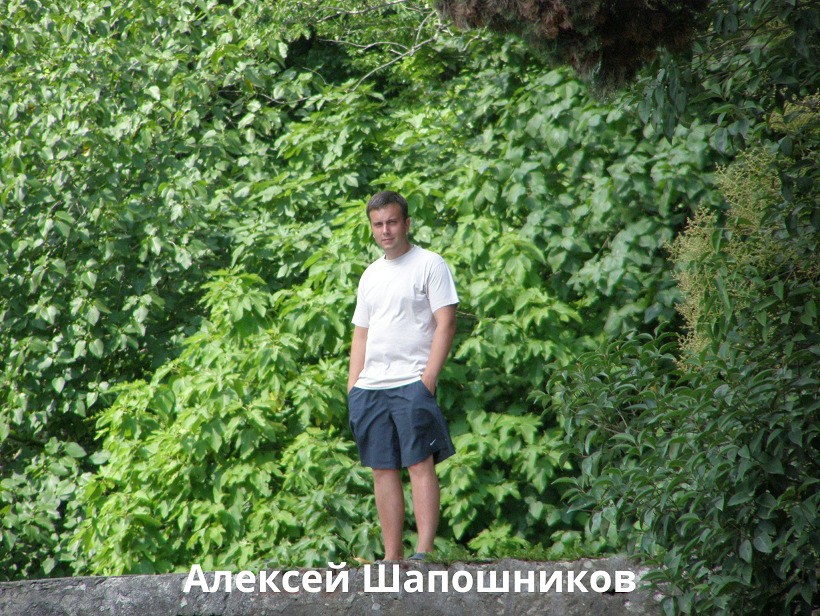
Another first counselor, 41-year-old Alexei Shaposhnikov, is listed in his contacts’ phone book as “Lesha FSB-SHNIK”; from 2019 to 2021, he worked at “Rossotrudnichestvo,” which promotes Russian interests abroad and is considered a front for the Russian Federation’s special services.
Unlike most EU countries, which expelled Russian spies en masse after the start of the full-scale invasion of Ukraine, Hungary remains one of the few states where the number of Russian diplomatic personnel has not decreased.
In March, it was reported that Hungarian Foreign Minister Péter Szijjártó regularly provided Russian Foreign Minister Sergey Lavrov with “operational reports on discussions” from European Union meetings.
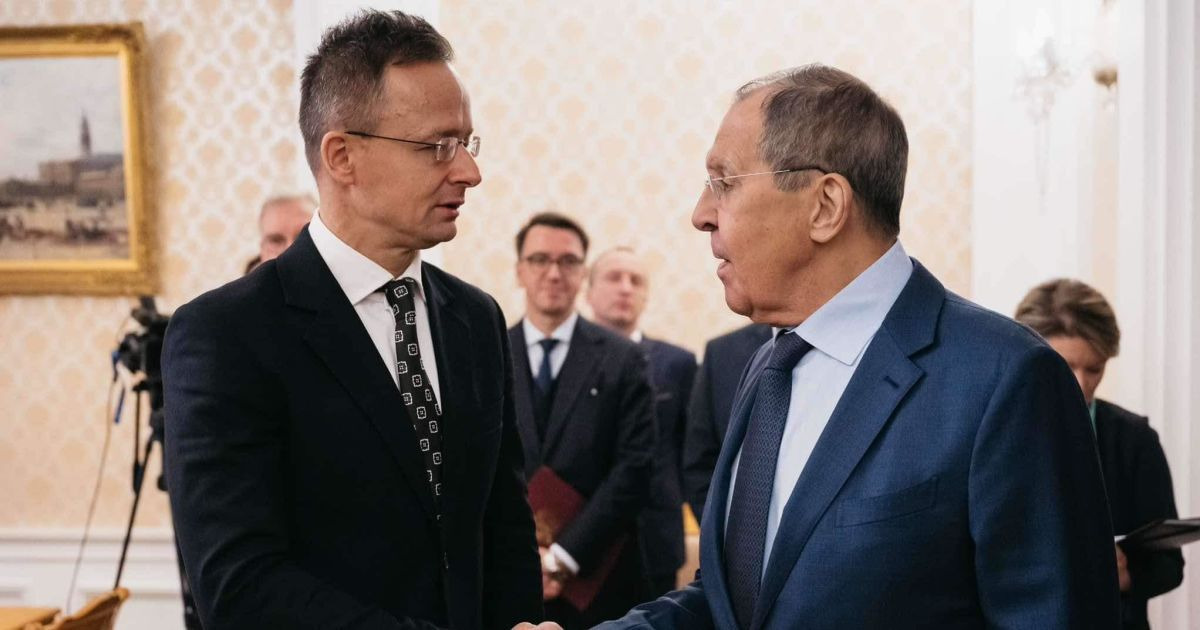
Subsequently, a NATO representative told the media that the alliance was not surprised by reports of a possible transfer of confidential information from Hungary to Russia.
In total, since the start of Russia’s full-scale invasion of Ukraine in 2022, Szijjártó has made 16 official visits to Moscow, the most recent of which took place on March 4, when he met with the aggressor country’s president, Vladimir Putin.
Підтримати нас можна через:
Приват: 5169 3351 0164 7408 PayPal - [email protected] Стати нашим патроном за лінком ⬇
Subscribe to our newsletter
or on ours Telegram
Thank you!!
You are subscribed to our newsletter