

Popular
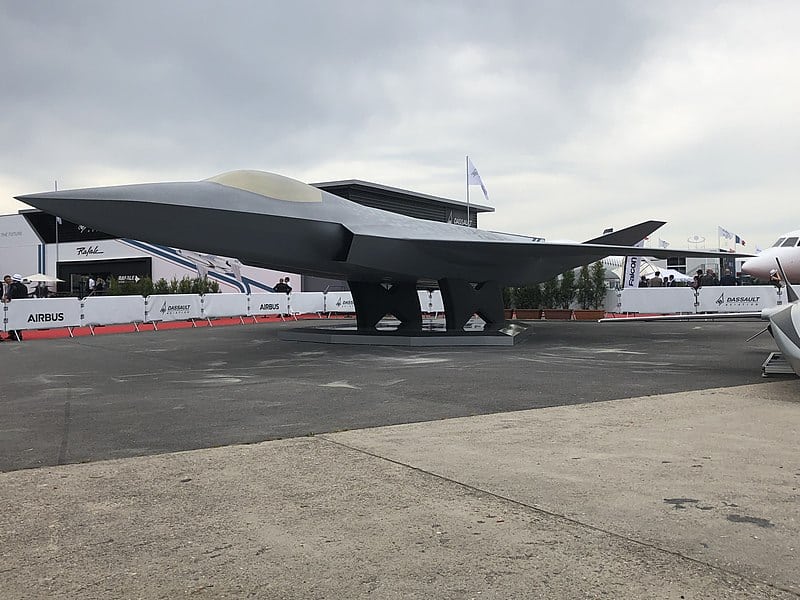
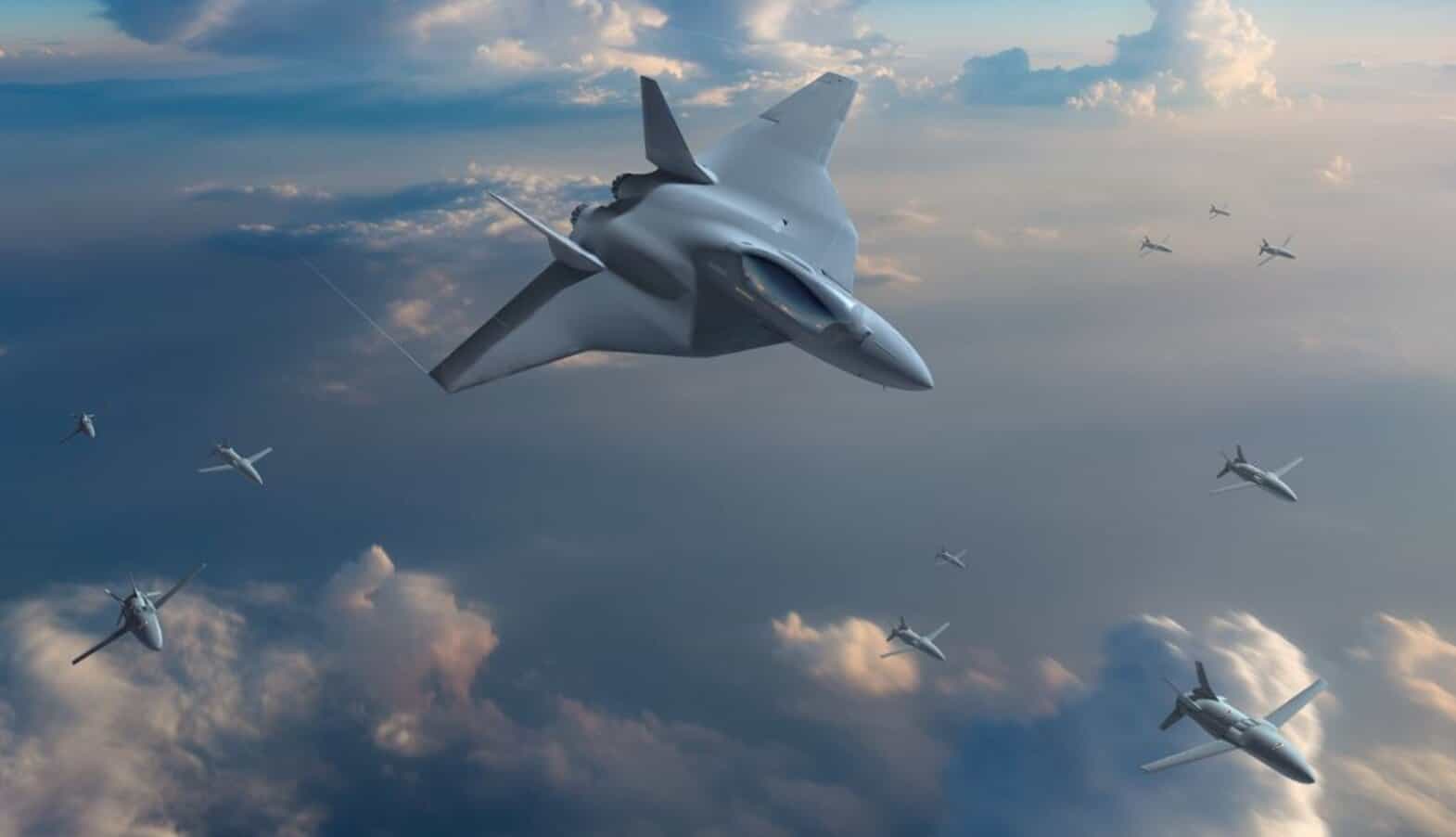
The German-French-Spanish FCAS project, which aimed to develop a new fighter jet, will undergo partial restructuring.
Airbus Defence and Space CEO Michael Schoellhorn told DW how the company is seeking to keep the project on track.
Airbus Defence and Space is one of the two main partners in the FCAS program.
According to Schellhorn, the project will continue despite difficulties between his company and its French partner, Dassault Aviation.
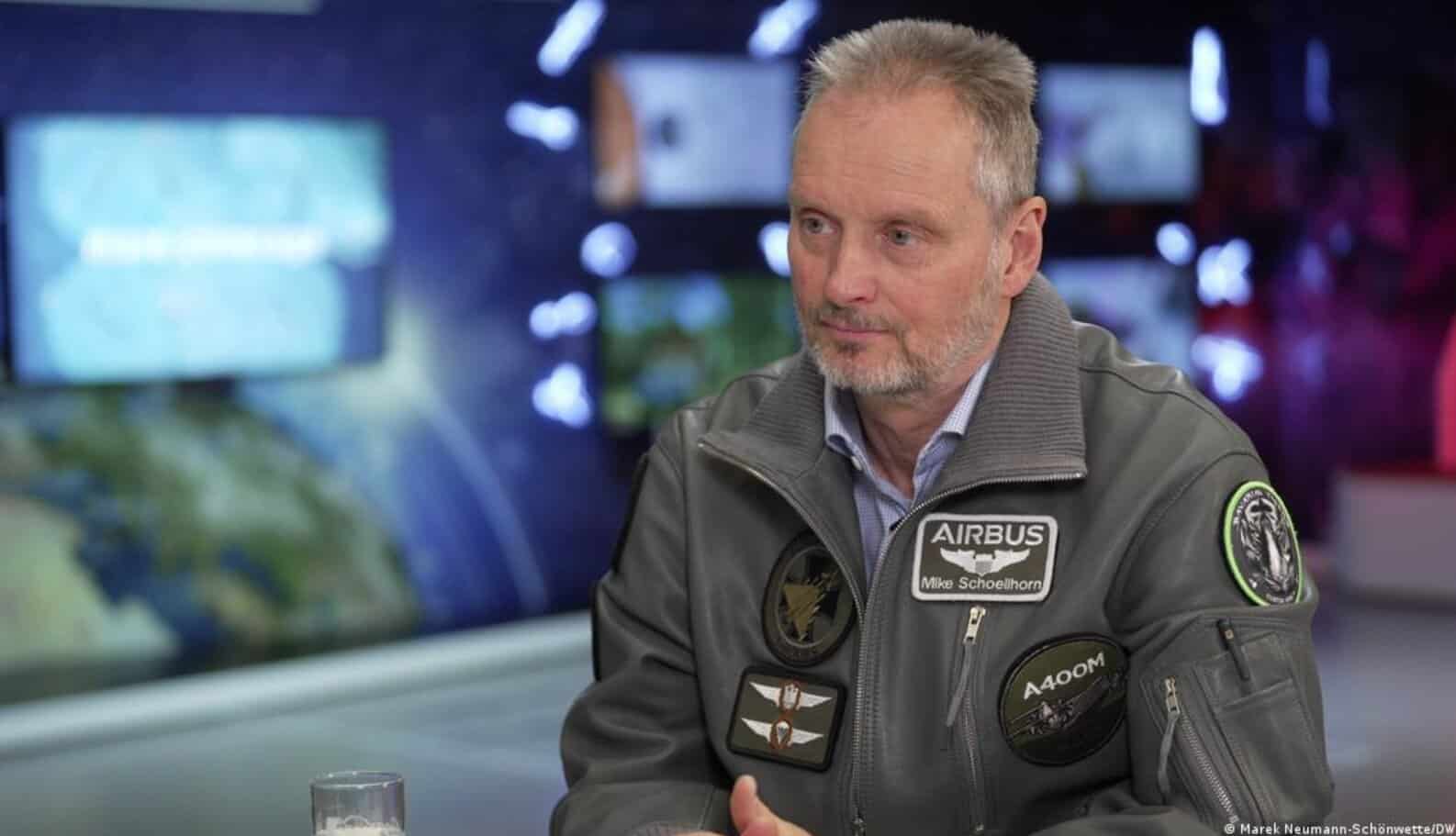
“Yes, the two companies have a problem related to the fighter,” Schoellhorn told DW. “When you take on large European projects, there is a risk that political will alone is not enough. An industrial alliance between the parties involved is required.”
The FCAS project was launched in 2017 by French President Emmanuel Macron and then-German Chancellor Angela Merkel.
Spain joined later. However, development has progressed slowly amid industrial disagreements.
Speculation has grown that the project could be radically redesigned or even scrapped.
The initial concept envisaged a fighter jet capable of seamless interaction with drones.
France’s Dassault was to lead the development of the fighter jet, while Airbus’s German-based defense division was to be responsible for other components.
However, the two companies failed to agree on the fighter’s technical specifications, development process and potential suppliers.
Asked whether reports that FCAS was on the verge of collapse were accurate, Schoellhorn said: “The FCAS project will be implemented. Some restructuring is needed in certain parts of the program.”
He added that the project was launched in a different geopolitical environment — before the current expansion of Europe’s defense sector, which has led to a sharp rise in orders for major European defense companies.
“Today we live in a completely different world. The time has passed when something could be defined very precisely through long lists of requirements to be fulfilled over 15 or 20 years. The pace of change is so rapid that we need to adapt our development approach. Therefore, adjustments to the FCAS project are necessary in any case,” Schoellhorn said.
On February 18, German Chancellor Friedrich Merz indicated that plans to develop a sixth-generation fighter jet for Europe under the FCAS project could be delayed, as the aircraft currently under development is more suited to the needs of the French Air Force than the Bundeswehr.
“The French need a fighter jet certified as capable of carrying nuclear weapons in the next generation of combat aircraft; we do not currently have that requirement in the German armed forces,” he noted.
At the same time, Benjamin Haddad, France’s minister delegate for Europe, told DW on the sidelines of the Munich Security Conference in early February that the French government remains committed to the project.
“We support FCAS,” he said. “Let’s be frank: ambitious projects are difficult. We need to bring together governments and industries, companies that are not used to working together, to create Europe’s fighter of the future.” Haddad added that the French and German governments are continuing work on the next steps within the FCAS framework: “Dassault and Airbus are two major, highly innovative companies, and I am confident we can bring the different stakeholders to the negotiating table, move forward and deliver this project.”
According to Michael Schoellhorn of Airbus Defence and Space, the project can succeed if it does not focus exclusively on building a single fighter jet, and restructuring could help preserve and strengthen it.
Підтримати нас можна через:
Приват: 5169 3351 0164 7408 PayPal - [email protected] Стати нашим патроном за лінком ⬇
Subscribe to our newsletter
or on ours Telegram
Thank you!!
You are subscribed to our newsletter