




Popular
The European Commission plans to maintain a moratorium on developing new oil and gas fields in the Arctic.
A European Commission spokesperson announced this to NRK.
According to the spokesperson, the approach to the moratorium will remain unchanged, as EU policy aims to combat climate change and environmental degradation and support sustainable economic development.
“Norway decides on matters concerning Norwegian resources, not the EU,” Norwegian Energy Minister Terje Aasland stated in response to the comment.
The document is currently still being drafted, and the updated strategy is scheduled to be presented on October 20, 2026.
The European Union’s current position on extraction in the Arctic is set out in a joint communication from the European Commission and the EU High Representative titled “A More Active EU Role in Ensuring a Peaceful, Sustainable, and Prosperous Arctic,” published on October 13, 2021.
In the document, the EU stated its intention to establish a legal obligation to leave oil, coal, and gas in the subsoil of the Arctic regions. At the same time, this position does not in itself prohibit Norway from developing deposits on its own continental shelf.
Norwegian Foreign Minister Espen Bart Eide confirmed this during a meeting of the European Committee and Parliament on September 16, 2026.
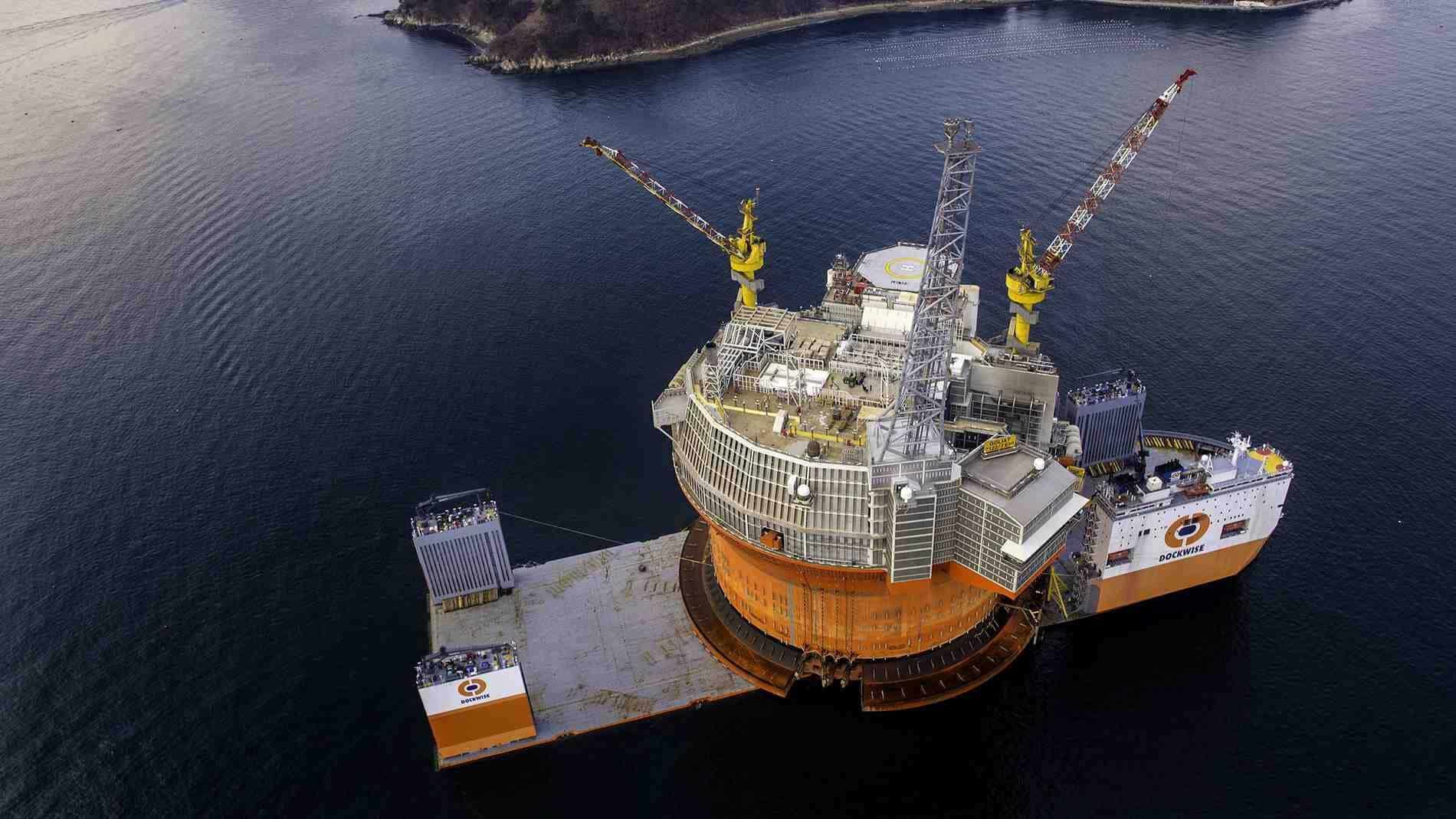
According to Eide, the moratorium pertains to EU policy and does not oblige Norway to cease production in its own territories. Oslo agrees with the need to protect vulnerable areas of the Arctic but opposes the idea that all territories north of the Arctic Circle should automatically be considered zones where no exploration or development of oil and gas fields should take place.
On September 11, 2026, the Norwegian Ministry of Energy announced that 21 companies had submitted applications to participate in the APA 2026 licensing round. As part of APA 2026, the area available for licensing for exploration and production was expanded by 70 blocks or parts of blocks in the North Sea, the Norwegian Sea, and the Barents Sea, and new licenses are scheduled to be awarded in early 2027.
Energy Minister Terje Osland stated that continued exploration and the discovery of new fields are necessary for Norway to remain a stable supplier of oil and gas and to contribute to Europe’s energy security.
An official European Commission document, Ares(2026)310785, on updating the EU’s Arctic policy notes that geopolitical and geoeconomic changes have increased military presence and hybrid activities in the region. Interest in Arctic resources, energy, and new trade routes is also growing.
Kaja Kallas stated that Russia is restoring former Soviet military bases in the region and conducting missile exercises, while China is taking an increasingly active interest in the Arctic. According to her, the EU’s new Arctic strategy will have security as one of its central elements, as the region is part of the European security architecture.
Russian activity in the Arctic also extends to the space sector; specifically, the Russian company Bureau 1440 conducted satellite communications tests involving residents of one of the settlements in the Nenets Autonomous Okrug.
Підтримати нас можна через:
Приват: 5169 3351 0164 7408 PayPal - [email protected] Стати нашим патроном за лінком ⬇
Subscribe to our newsletter
or on ours Telegram
Thank you!!
You are subscribed to our newsletter