




Popular
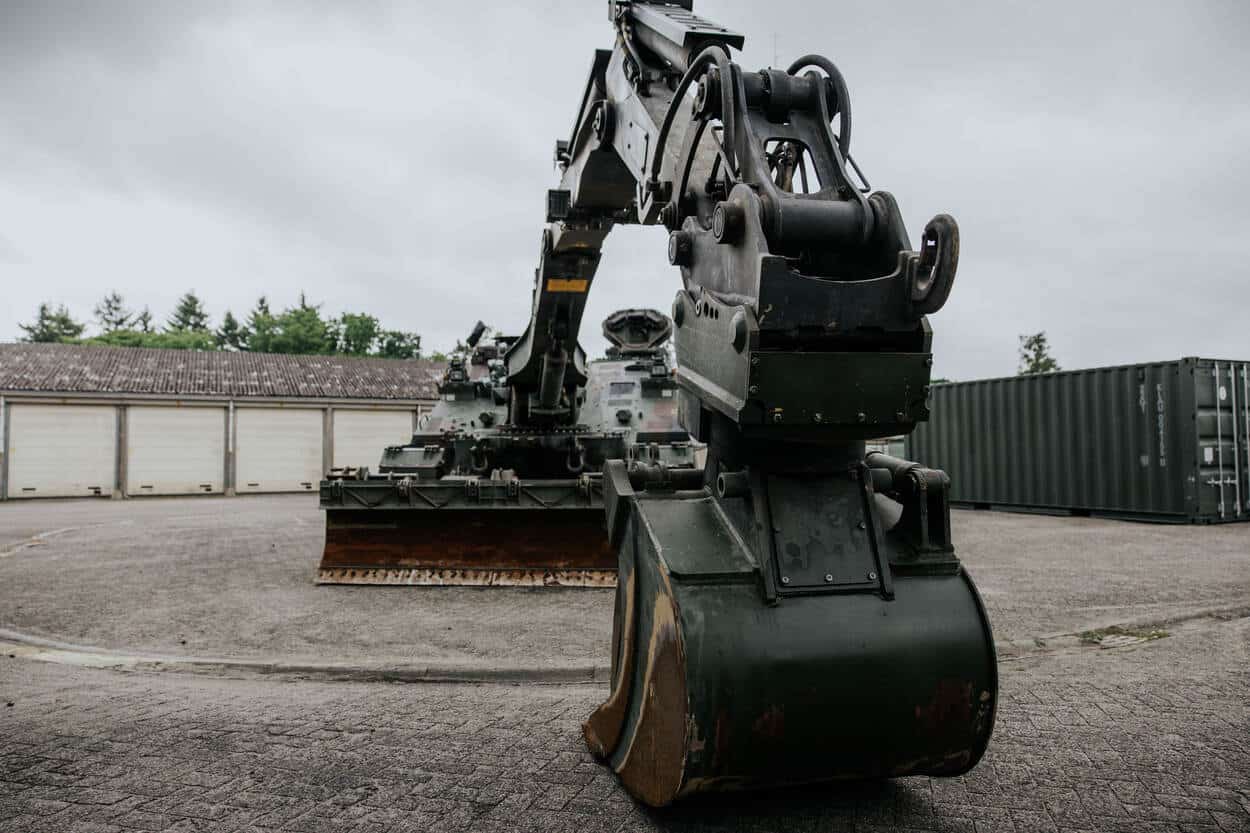
The Dutch Ministry of Defense plans to replace its Kodiak engineer vehicles and, in cooperation with Germany, acquire additional Leguan tank-launched bridges.
The Dutch Ministry of Defense outlined the plans in an official letter to parliament dated October 22, 2026.
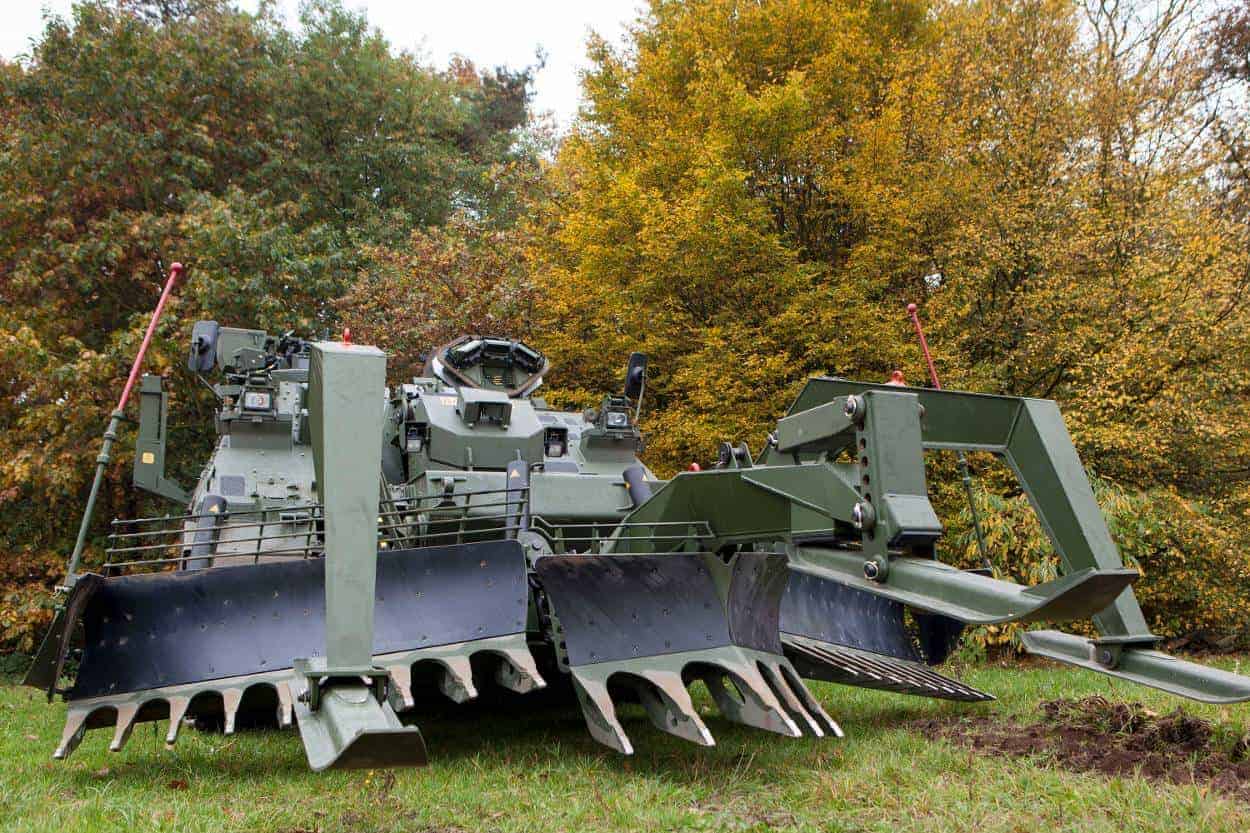
The Dutch Army has operated Kodiak engineer vehicles since 2014. They are designed for engineering tasks, mine clearance, breaching obstacles, and creating passages for military vehicles.
However, the Ministry of Defense considers the vehicles outdated because their protection no longer meets today’s battlefield threats. The vehicles also have low operational availability because individual systems and components malfunction.
The military initially considered upgrading the Kodiaks under a Midlife Update (MLU) program but abandoned the option because of its technical complexity and lengthy implementation timeline.
The ministry emphasized that the war in Ukraine has shown the need for modern capabilities to overcome engineering obstacles directly in combat.
The replacement and expansion program has been allocated a budget range of €250 million to €1 billion in 2026 prices, including a risk reserve.
The Ministry of Defense plans to complete the study and procurement preparation phase in the first half of 2028, after which it will present further plans to parliament. The type of replacement engineer vehicle has not yet been determined.
In October, Militarnyi reported the start of trials of two Pionierpanzer 3 Kodiak engineer vehicles in Germany. German troops received them without the Natter remotely operated weapon stations originally planned for installation.
The AEV 3 Kodiak is an armored engineer vehicle developed by Germany’s Rheinmetall in cooperation with Switzerland’s RUAG, based on the Leopard 2 tank chassis.
It is designed to clear paths through minefields, breach engineering obstacles, prepare defensive positions, and perform earthmoving tasks. In 2014, the Netherlands received 10 vehicles for its engineer units.
The Kodiak weighs about 62 tons and is equipped with a front-mounted excavator arm, a bulldozer blade, and two winches.
The blade can be replaced with a specialized mine plow to clear paths through minefields.
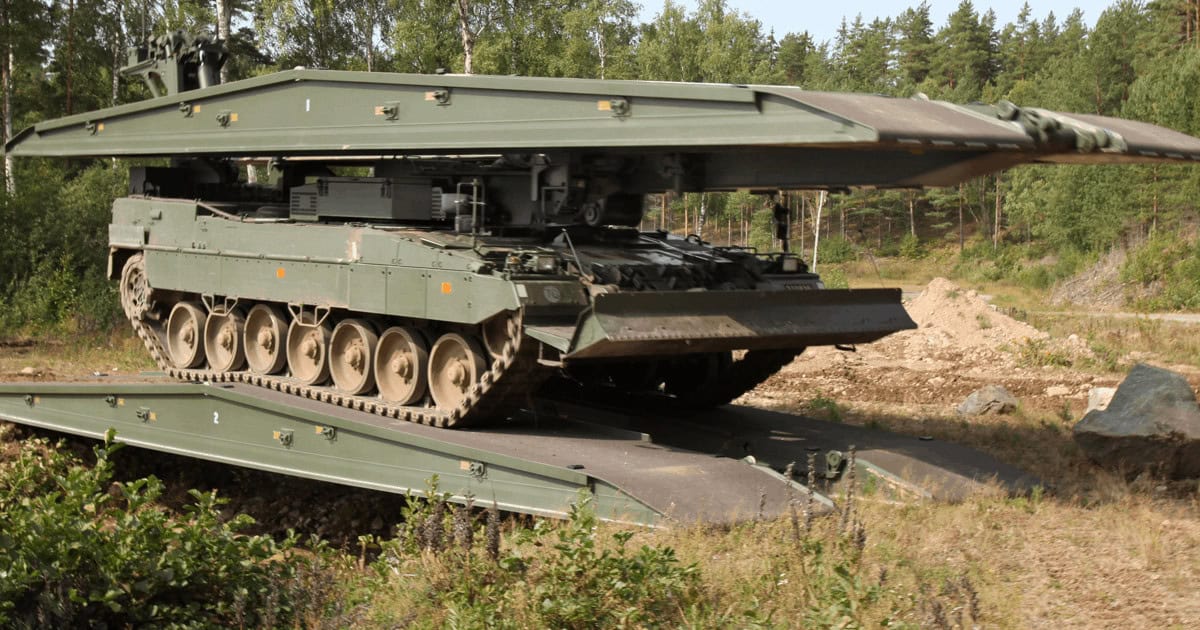
The Dutch Ministry of Defense also plans to procure additional Leguan tank-launched bridges to strengthen its engineer units.
To do so, the Netherlands intends to join Germany’s contract for modernized Leguan bridge-layers. Germany is expected to sign the relevant agreement with a German supplier in the first quarter of 2027.
The additional bridge-layers have been allocated a budget range of €50 million to €250 million in 2026 prices, including a risk reserve. The exact number of vehicles has not been disclosed.
The Leguan, manufactured by KNDS, is designed to rapidly deploy bridges across water obstacles and dry gaps. The system, mounted on a Leopard 2 chassis, can deploy either a single 26-meter bridge or two 14-meter bridges.
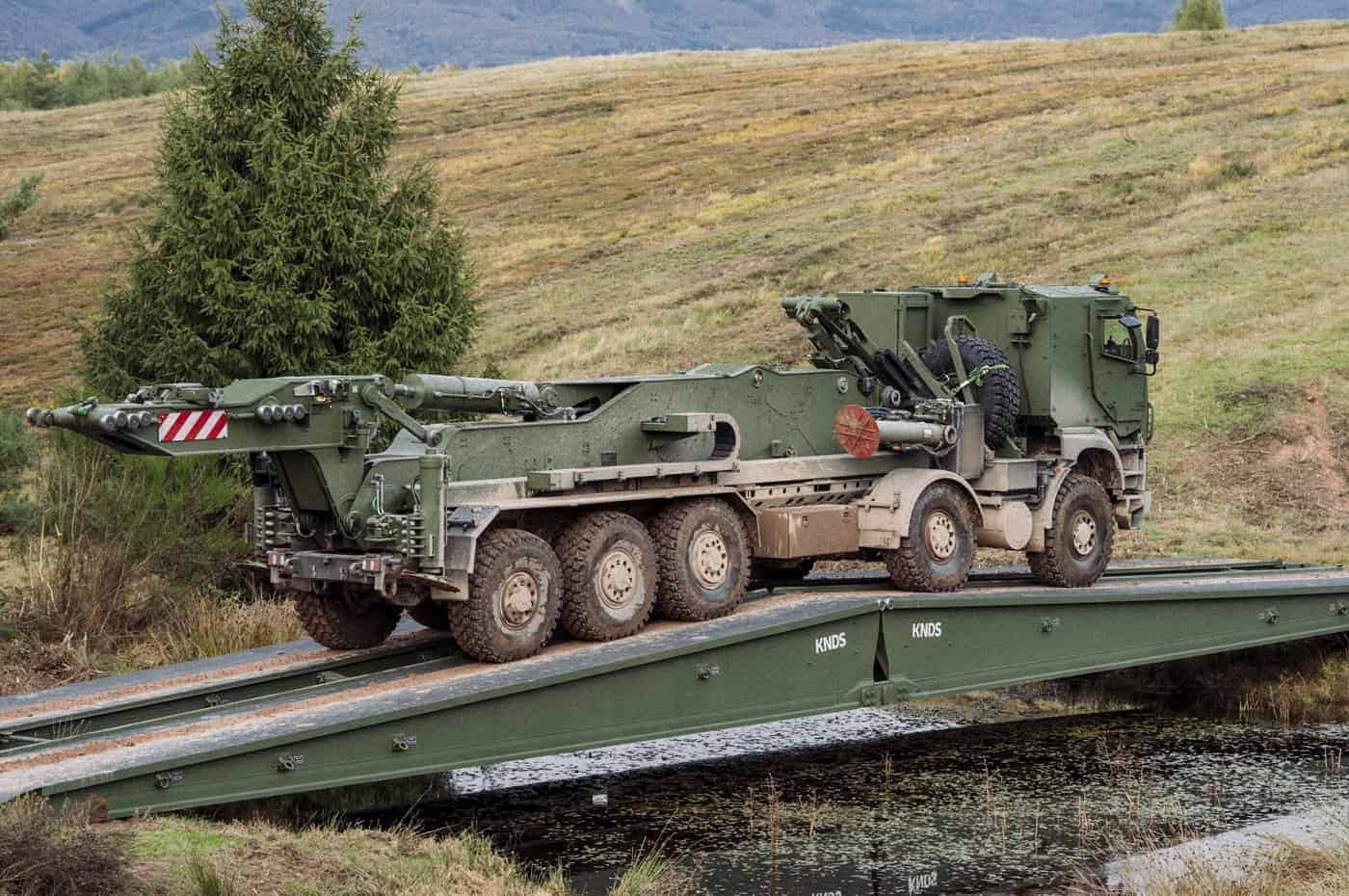
In January, Belgium signed a contract with KNDS to order eight wheeled Leguan bridge-layers worth approximately €80 million.
In February, it was also reported that the Netherlands planned to acquire WiSENT 2 armored recovery vehicles to equip new units.
Підтримати нас можна через:
Приват: 5169 3351 0164 7408 PayPal - [email protected] Стати нашим патроном за лінком ⬇
Subscribe to our newsletter
or on ours Telegram
Thank you!!
You are subscribed to our newsletter