



Popular

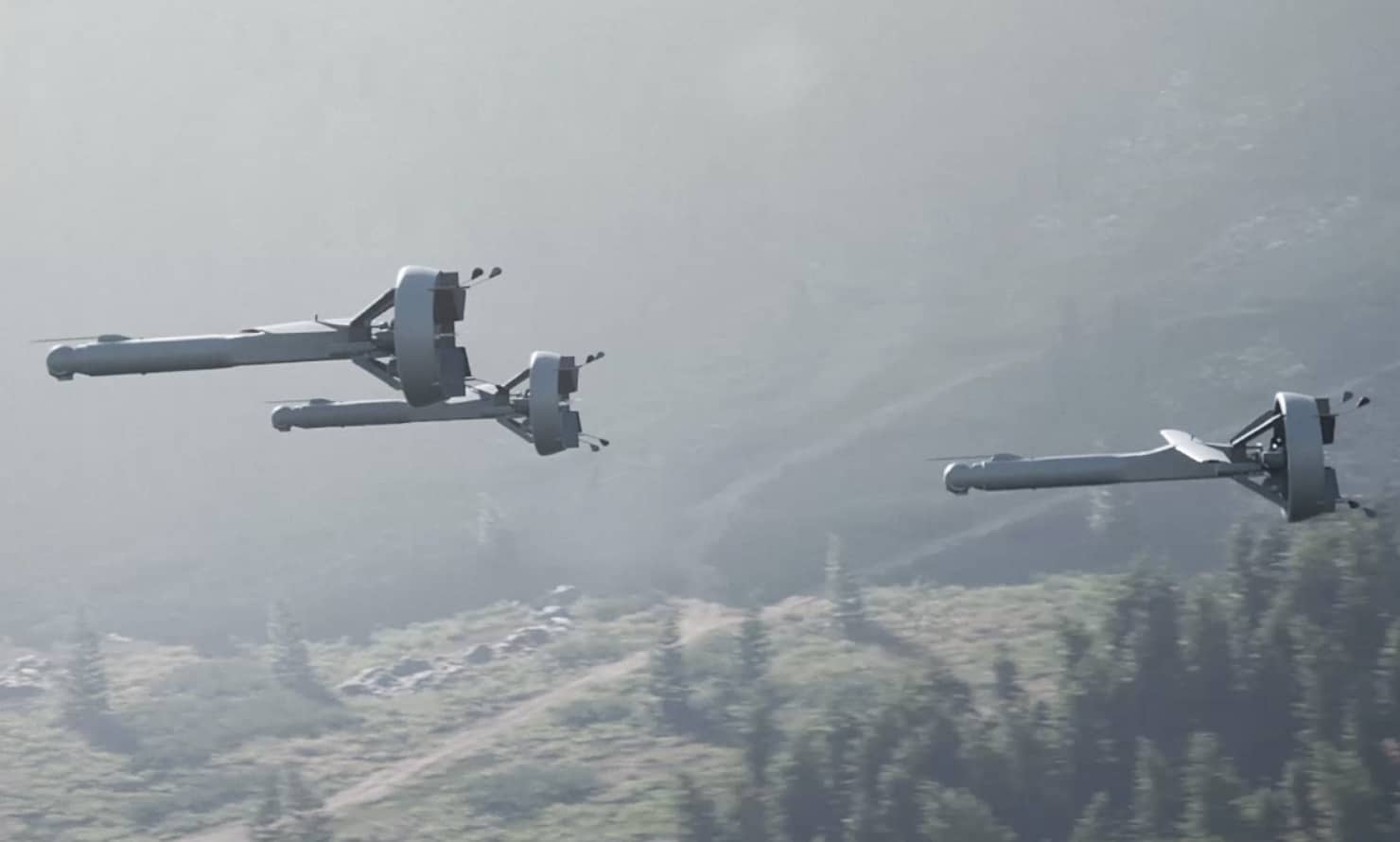
Defense Forces struck two oil depots, including one in Simferopol, a substation in Dzhankoy — a key facility supplying electricity to temporarily occupied territories — as well as a Kasta-2E2 surveillance radar and a 96L6E radar of the S-400 air defense system in temporarily occupied Crimea.
The Astra outlet, the Crimean Wind Telegram channel, and the General Staff of the Armed Forces of Ukraine reported the strikes.
According to the Crimean Wind Telegram channel, at 11:25 p.m., an oil depot near a power plant in Simferopol caught fire. Local residents posted videos showing Ukrainian drones striking the facility and the subsequent blaze.
Favorable weather conditions allowed NASA’s satellite fire-monitoring service to record a fire at an oil depot in the village of Bitumne near Simferopol, adjacent to the GRES power plant.
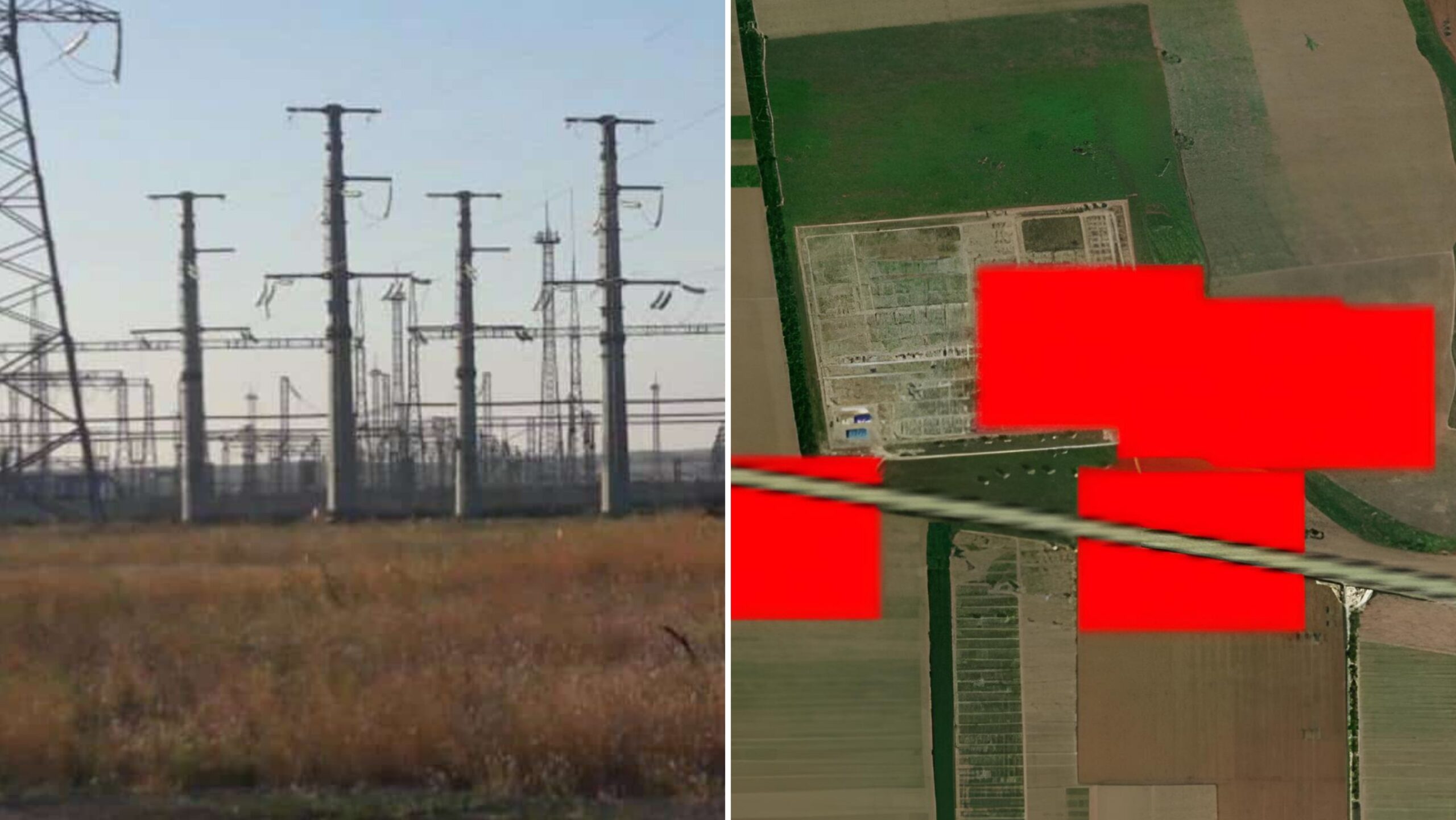
Satellites also recorded a fire at the 330 kV Dzhankoy substation, where residents reported explosions at around 11:00 p.m. The substation links power systems in the temporarily occupied Kherson and Zaporizhia regions, with two power lines each to Kakhovka and Melitopol.
Damage to the substation was also confirmed by Russian occupation authorities, who said 450 settlements were left without electricity as a result of the strike.

According to the General Staff, in temporarily occupied Crimea, the Defense Forces struck two fuel and lubricants depots, a Kasta-2E2 radar station, and a 96L6E radar used by S-300/S-400 air defense systems.
The 39N6 Kasta radar is a mobile, two-coordinate, decimeter-range system with all-around coverage. It is designed to monitor airspace, determine coordinates, and identify aerial targets, including at extremely low altitudes.

The 96L6E radar is part of the S-400 air defense system and is used to detect high- and medium-altitude targets. It serves as a primary radar detection asset for the system.
The radar is integrated into a unified command and control network, enabling it to operate alongside other radar stations. It operates in the X-band (8–12 GHz) and has a manufacturer-stated maximum detection range of up to 300 kilometers.
Previously, Ukrainian strike drones bypassed Russian air defenses in Crimea and hit an An-26 military transport aircraft, as well as two radar stations — the 55Zh6M Nebo-M and the 64N6E, which is used by S-400 systems to detect ballistic missiles.

The drones did not hit a standard An-26 transport aircraft, but a rare An-26KPA Kalibrovschik calibration aircraft used to test airfield radio equipment. There is currently no replacement for these aircraft.
Підтримати нас можна через:
Приват: 5169 3351 0164 7408 PayPal - [email protected] Стати нашим патроном за лінком ⬇
Subscribe to our newsletter
or on ours Telegram
Thank you!!
You are subscribed to our newsletter