



Popular
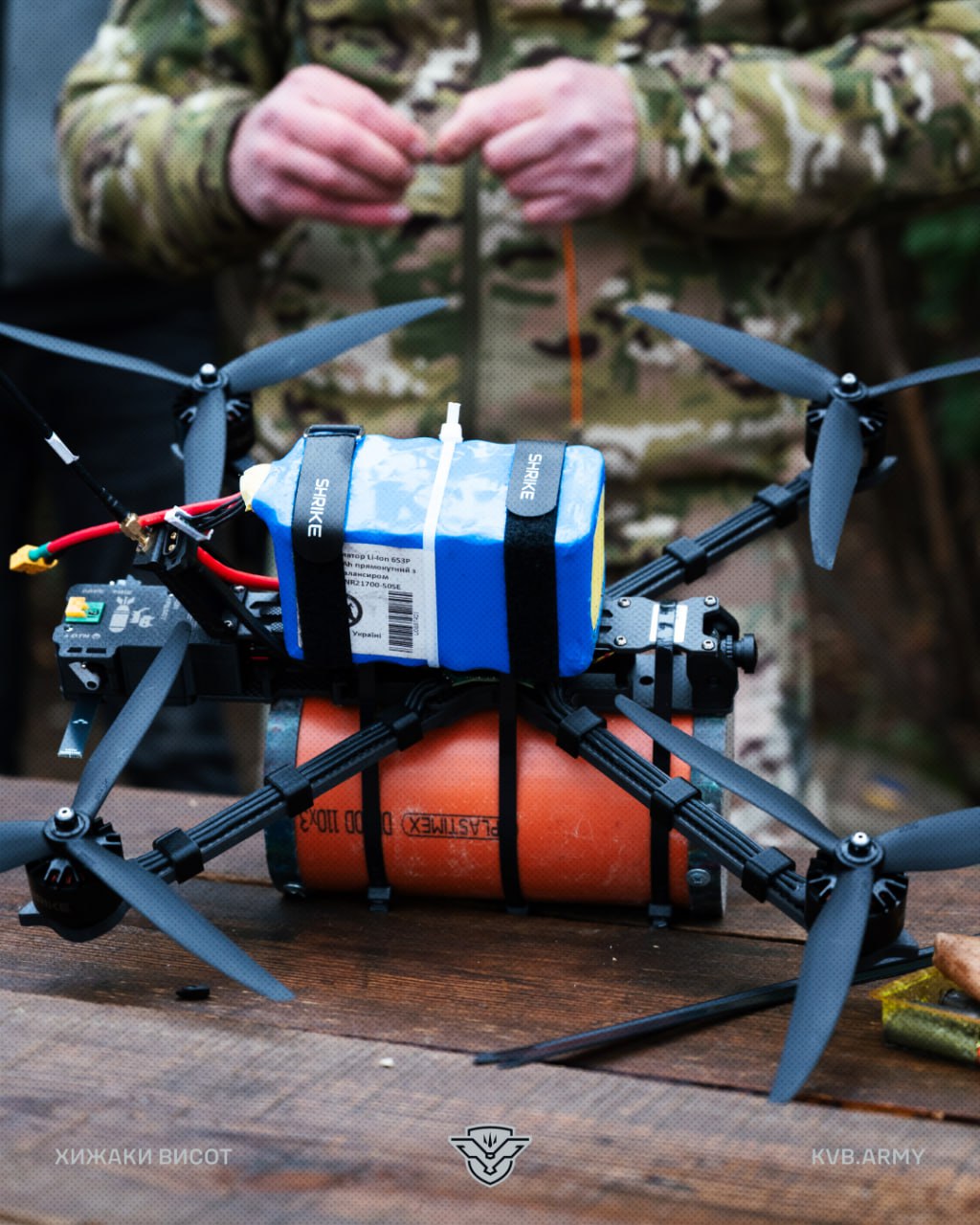
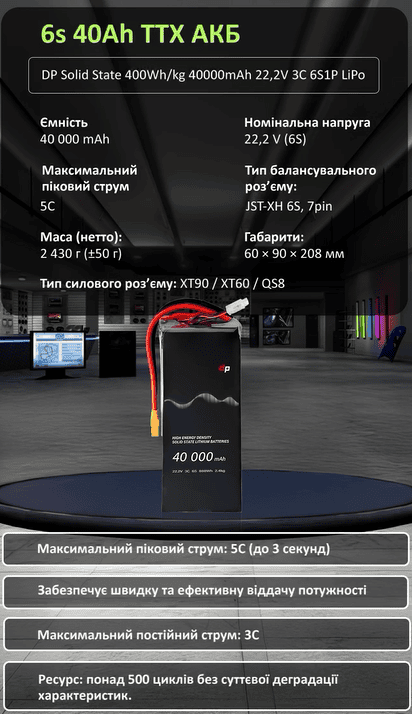
Ukrainian company DP Battery has created semi-solid lithium batteries for drones with high energy density — 1.5–2 times higher than that of classic lithium-ion batteries.
This was announced by Danylo Pavliuk, CEO of DP Battery, during the Brave1 Components conference.
According to the CEO, the company specializes in manufacturing high-energy-density batteries.
“Currently, most people use 18650 or 21700 lithium-ion batteries. Their main disadvantage is their energy density of about 200–240 watt-hours per kilogram. Our battery has about 400 watt-hours per kilogram. This means that with the same weight, we have twice as much energy. That is, we can fly twice as far or twice as long,” explained Danylo Pavliuk.
According to estimates, an FPV drone on a 15-inch frame with a payload of approximately 1.5 kg and conventional commercial batteries will have a range of about 70 km. However, when using batteries from the Ukrainian company, this figure exceeds 100 km.
“Given the trends on the front line, it is no longer enough to simply fly straight ahead and complete the mission. You need to look for detours, fly around electronic warfare zones, firing zones, and so on. This is where this technology gives a real advantage,” emphasized Danylo Pavliuk.
An alternative advantage is the ability to carry more payload using a battery with the same capacity but lower weight.
According to estimates, when comparing a 5-kilogram assembly of solid-state batteries for an FPV drone on a 15-inch frame, a similar lithium-ion battery will weigh “a little over a kilogram” more.
At the same time, the CEO emphasized that the main advantage of batteries manufactured using similar technology is evident in large drones, since the main limitation for small batteries is not energy density, but current output. On large platforms, however, the increase in flight time “can reach up to 60%.” As an example, he cited the company’s own drone bomber, capable of flying over 70 km and staying in the air for up to 80 minutes.
“I’ll briefly explain how we got here. We have been manufacturing bombers since 2022, and there were simply no batteries on the market that met our needs. So we spent three years searching, developing, and testing. At that time, we flew for 40 minutes — and even that was more than most other bombers. Now we fly for 80 minutes with a range of over 70 km. We’re not talking about a small wing, but a large drone, an agrocopter that can actually cover these distances,” said Danylo Pavliuk.
At the same time, this technology has a drawback — its price. “Classic” lithium-ion batteries cost about half as much as semi-solid batteries with high energy density and similar capacity. In December 2025, the Brave1 defense cluster announced the launch of a new grant program for manufacturers of components for Ukrainian weapons.
Підтримати нас можна через:
Приват: 5169 3351 0164 7408 PayPal - [email protected] Стати нашим патроном за лінком ⬇
Subscribe to our newsletter
or on ours Telegram
Thank you!!
You are subscribed to our newsletter