




Popular
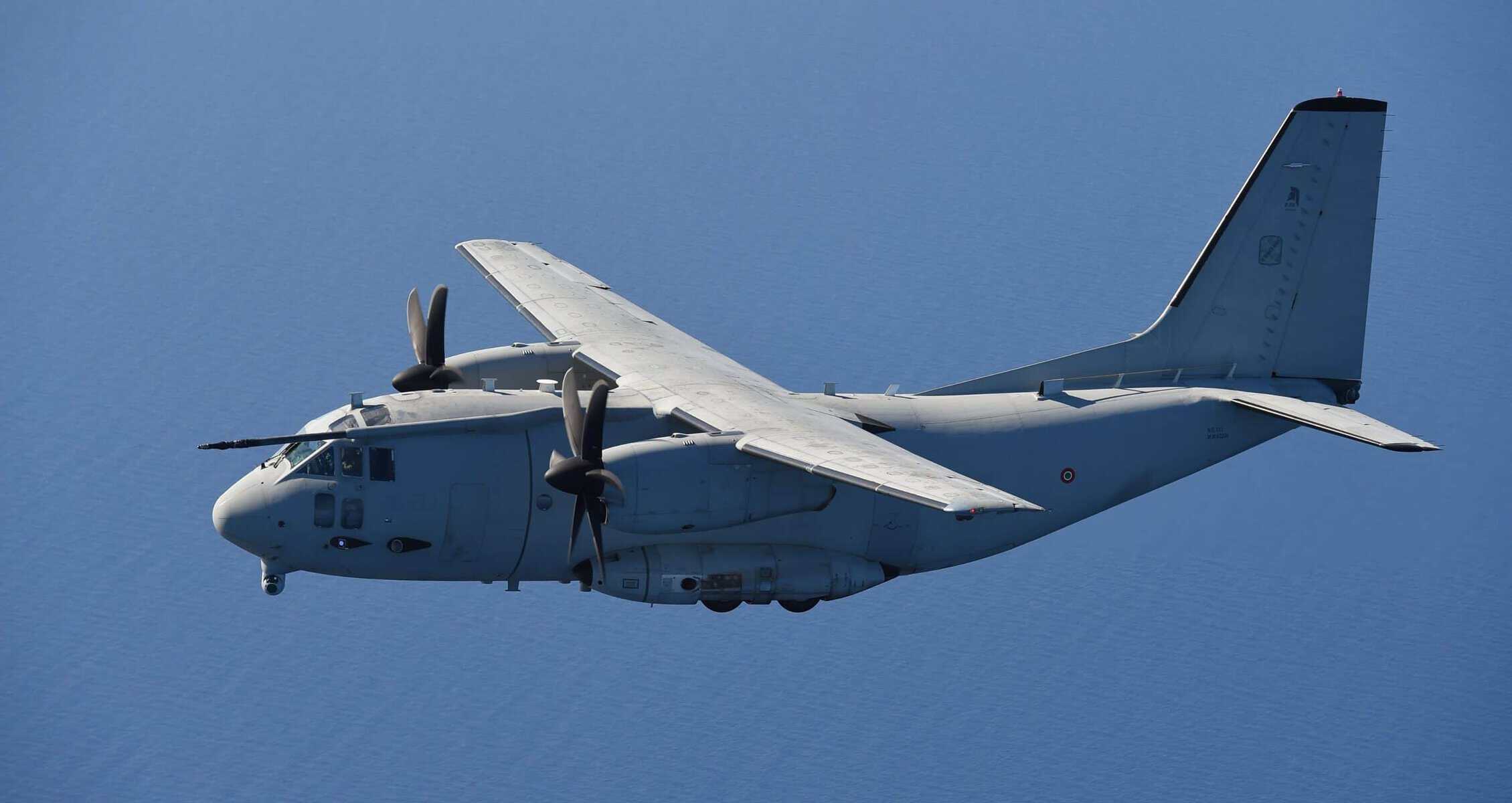
Australia has decided to prematurely retire its entire fleet of Leonardo C-27J Spartan military transport aircraft, which have served for less than 10 years.
Aerotime reported on this.
The decision is set out in Australia’s National Defence Strategy for 2026, published on April 16. The document provides for the retirement of the Spartan fleet in favor of commercial aircraft for the transport of personnel and logistics in the Pacific region.
The exact timing of the retirement and the specific replacement types have not yet been determined.
The C-27J is one of nine key priorities for the Royal Australian Air Force under a new strategy focused on developing long-range intelligence, surveillance, and reconnaissance capabilities and strengthening strike capabilities.
Other areas include the integration of AGM-158 JASSM-ER and LRASM missiles on F/A-18F Super Hornet and F-35A fighter jets, the development of hypersonic weapons, investment in the MQ-28A Ghost Bat unmanned combat aircraft, and the creation of a modern air combat management system.
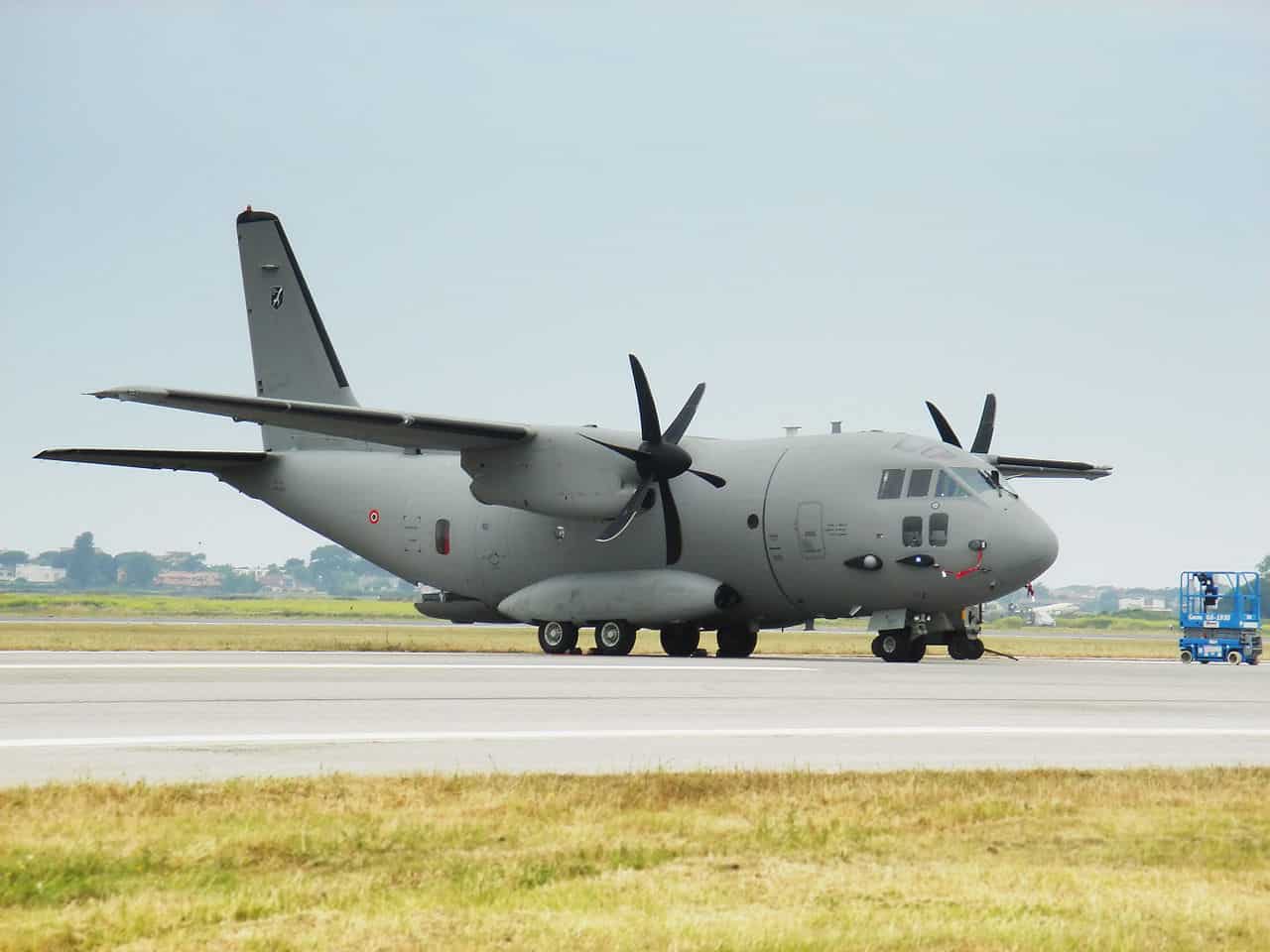
The C-27J fleet in Australia was formed in 2015-2018 and consisted of 10 aircraft operated by No. 35 Squadron at Amberley. It was the smallest transport aircraft in the country’s air force, alongside the C-130J Hercules and C-17A Globemaster III.
However, Spartan operations have been affected by ongoing maintenance issues and low readiness. The main reason cited is supply chain difficulties, likely exacerbated by the FMS program, which involves U.S. intermediaries, as opposed to other operators that receive direct manufacturer support.
In 2021, the aircraft were reassigned from combat missions to humanitarian and disaster-relief missions. In this role, they have demonstrated effectiveness, including during the large-scale bushfires of 2019-2020 and the recent floods in Queensland, thanks to their ability to operate from short, unprepared runways.
Despite its focus on commercial aircraft, Australia has also ordered 20 new C-130Js, with the first expected in 2028. They are intended to replace the current fleet of 12 and partly compensate for the C-27J’s loss of tactical capabilities, particularly in difficult areas.
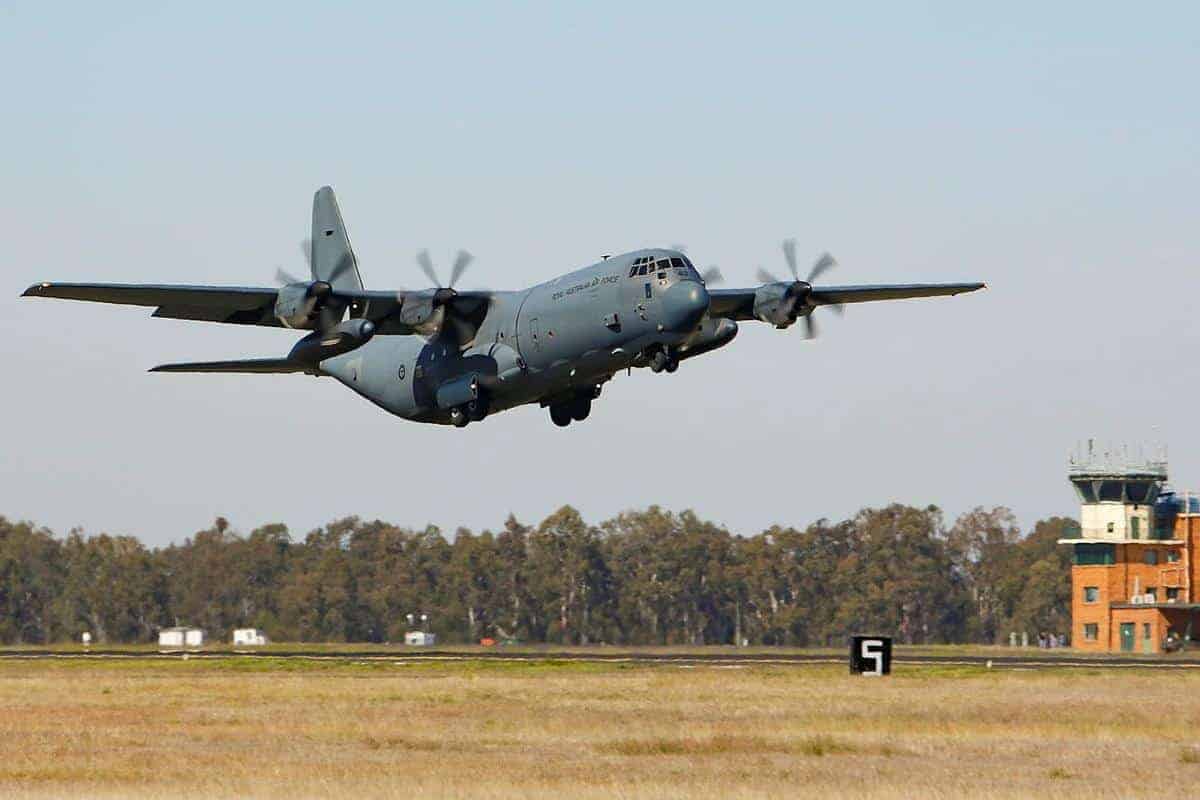
Commercial platforms are expected to take on basic logistical tasks, such as transporting personnel and cargo in the Pacific region, while the C-130Js will perform more complex missions.
Particular attention is being paid to maintaining capabilities within the Pacific Air Program, which provides transport support, aerial surveillance, and training for partner nations in the region. The future replacement of the C-27J must meet these obligations.
The potential options under consideration include the ATR 72-600 turboprop in cargo configuration, capable of carrying up to 9.2 tonnes of cargo. It is already widely used in the region and has military variants. However, this type lacks the rear ramp and short take-off capability from unprepared strips inherent in the C-27J, although these characteristics may be less critical for most routine missions.
Підтримати нас можна через:
Приват: 5169 3351 0164 7408 PayPal - [email protected] Стати нашим патроном за лінком ⬇
Subscribe to our newsletter
or on ours Telegram
Thank you!!
You are subscribed to our newsletter