



Popular
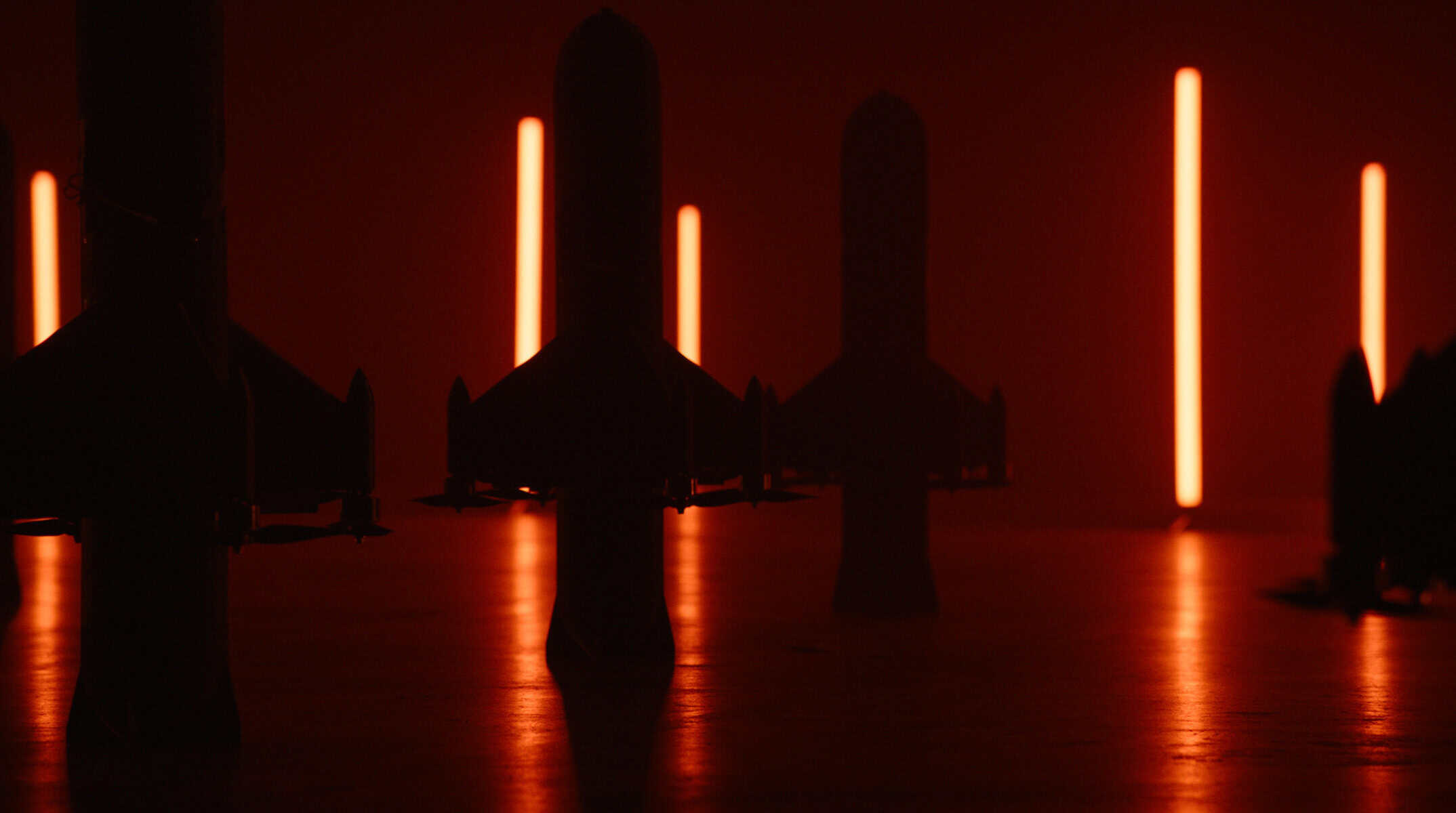
NOCTIS, the developer of the Zirka interceptor drone, is working with Sweden’s SAAB to increase the drone’s level of autonomy.
Oleksii Babenko, CEO of Vyriy Industries, revealed the cooperation in an interview with Militarnyi.
According to him, the two companies are developing capabilities that will allow the drone to autonomously fly to the target area, independently detect a target, and destroy it with minimal operator involvement.
According to Babenko, this is a step toward a fully autonomous air defense system capable of independently detecting, identifying, and destroying targets without human intervention. He added that all the necessary technological components to achieve this are already in place.
The Swedish company initiated the collaboration between NOCTIS and SAAB.
Babenko did not specify SAAB’s exact role in the project, mentioning only the company’s Giraffe radar systems.
This suggests that the Giraffe radars could serve as the foundation of the autonomous air defense system. It was previously reported that a similar radar-based capability is planned for integration into the Zirka 2.0 platform.
At the end of July, it was reported that the Zirka interceptor drone successfully destroyed a jet-powered Shahed-type kamikaze drone (also referred to as the Geran-4).

The Zirka interceptor drone was developed by NOCTIS. The system was designed based on real combat experience, with input from military specialists, including personnel from the Darknode anti-Shahed battalion of the 412th Nemesis Unmanned Systems Brigade.
The unmanned interceptor system has a stated operational radius of 30 km. The drone can remain airborne and perform combat missions for up to 20 minutes.
Equipped with target detection, automatic target-tracking and guidance systems, and capable of reaching speeds of up to 340 km/h, the Zirka is designed to intercept and destroy fast, highly maneuverable aerial targets, including jet-powered Shahed-type attack drones, such as the Geran-4.

The onboard automation handles target detection, acquisition, and tracking, leaving the operator responsible only for adjusting the interceptor’s speed to optimize the final intercept approach.
The cost of a single Zirka interceptor drone is reported to be up to $2,000.
Vyriy Industries supports the project as an investor and manufacturing scale-up partner. NOCTIS, meanwhile, is independently responsible for the system’s development, production, sales, deployment, and technical assistance.
Підтримати нас можна через:
Приват: 5169 3351 0164 7408 PayPal - [email protected] Стати нашим патроном за лінком ⬇
Subscribe to our newsletter
or on ours Telegram
Thank you!!
You are subscribed to our newsletter