


Popular
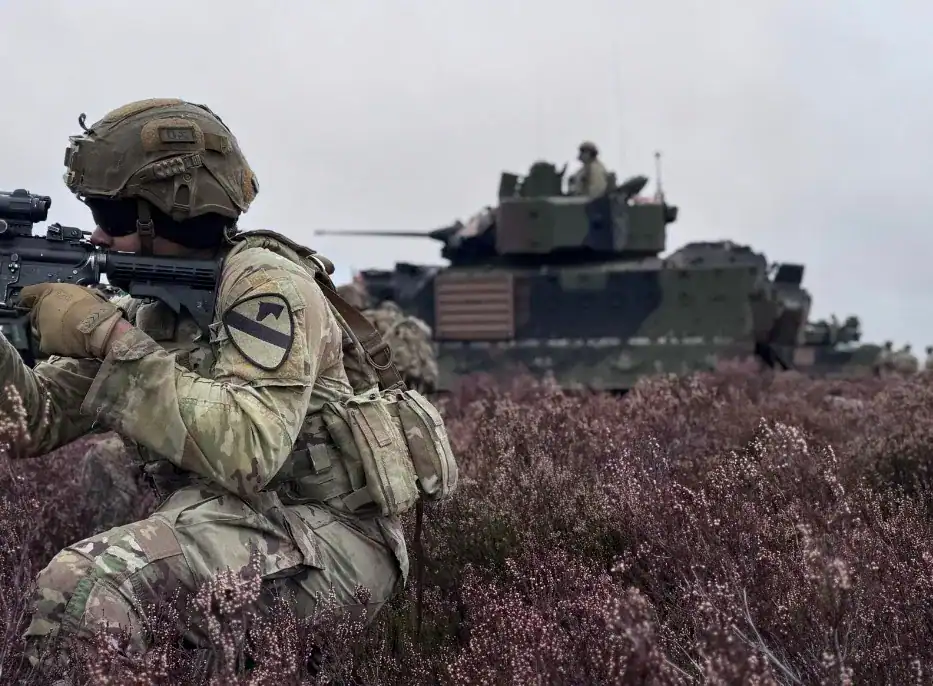
During the Combined Resolve joint military exercises at the Hohenfels Training Center in Germany, the Blackhawk Company of the 2nd Battalion, 7th Cavalry Regiment of the U.S. Army completed a 10-day training program alongside Ukrainian troops. The counterforce included the 412th Nemesis Brigade of the Ukrainian Armed Forces’ Unmanned Systems Forces.
Subsequently, The Wall Street Journal published an article with a headline claiming that Ukrainian drones had routed American armored units. However, the commander of the Blackhawk Company stated in his column for Task & Purpose that the article did not fully reflect the actual course of events or the performance of the American units.
According to the company commander, the American soldiers had already become acquainted with the Ukrainian operators before the active combat phase began. Some soldiers from the 412th Nemesis Brigade had significant combat experience gained during operations in Ukraine.
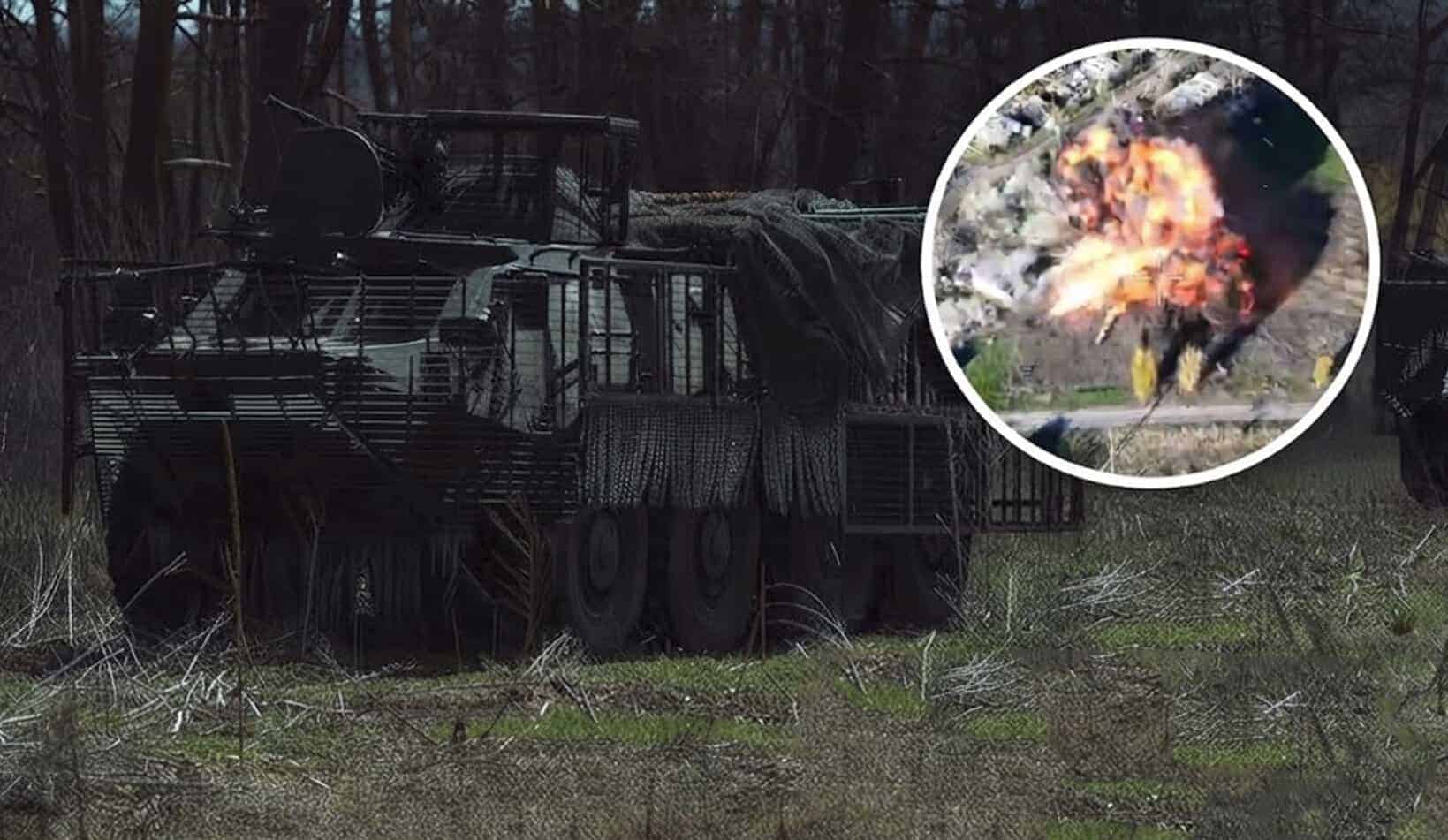
Immediately after the American convoy of Bradley infantry fighting vehicles entered the training zone through the only passageway, Ukrainian reconnaissance drones were already conducting aerial surveillance.
The American company did not have at its disposal any countermeasures against drones, as such systems are still undergoing testing in the U.S. Army. As a result, the unit had to operate under constant visual surveillance by the enemy.

However, the U.S. military quickly adapted its tactics to the new threats. They changed the order in which they took up positions, spread out their equipment and personnel as far apart as possible, and began hiding their armored vehicles in dense forest.
To complicate the work of reconnaissance UAVs, the mechanized unit moved through steep ravines and rugged terrain. The use of natural cover and terrain features allowed them to partially conceal the movement of heavy armored vehicles.
Despite the loss of simulated tanks and IFVs during training battles, the U.S. commander emphasized that the heavy armored vehicles retained their effectiveness. They provided protection for the crews and allowed for rapid movement across difficult terrain, enabling the unit to reach its designated objectives.
In the second half of the exercises, the Nemesis unit joined friendly forces and operated alongside an American company during offensive operations. This allowed U.S. service members to learn from their Ukrainian partners’ experience.
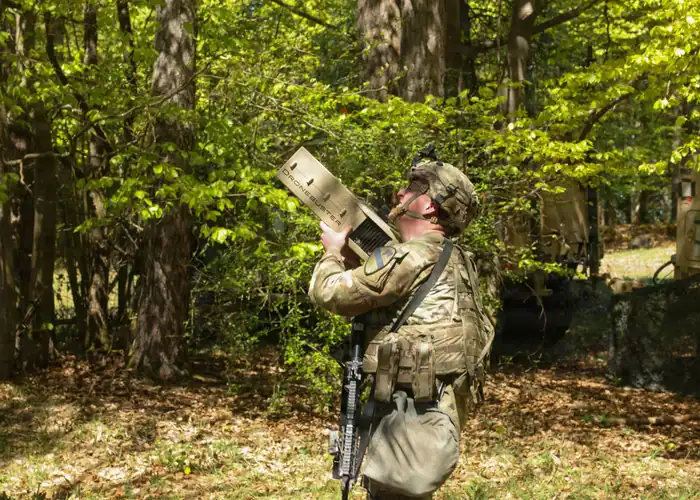
Ukrainian operators demonstrated methods for launching drones over long distances and achieving high-speed data transmission from sensors to fire control systems. U.S. soldiers mastered new tactical techniques for future use within their own units.
Based on the results of the exercises, U.S. military personnel concluded that the human factor remains a key element in countering unmanned aerial vehicles.
When U.S. units conducted active maneuvers and put pressure on UAV crews, the intensity of drone activity in the air decreased significantly.
Підтримати нас можна через:
Приват: 5169 3351 0164 7408 PayPal - [email protected] Стати нашим патроном за лінком ⬇
Subscribe to our newsletter
or on ours Telegram
Thank you!!
You are subscribed to our newsletter