


Popular
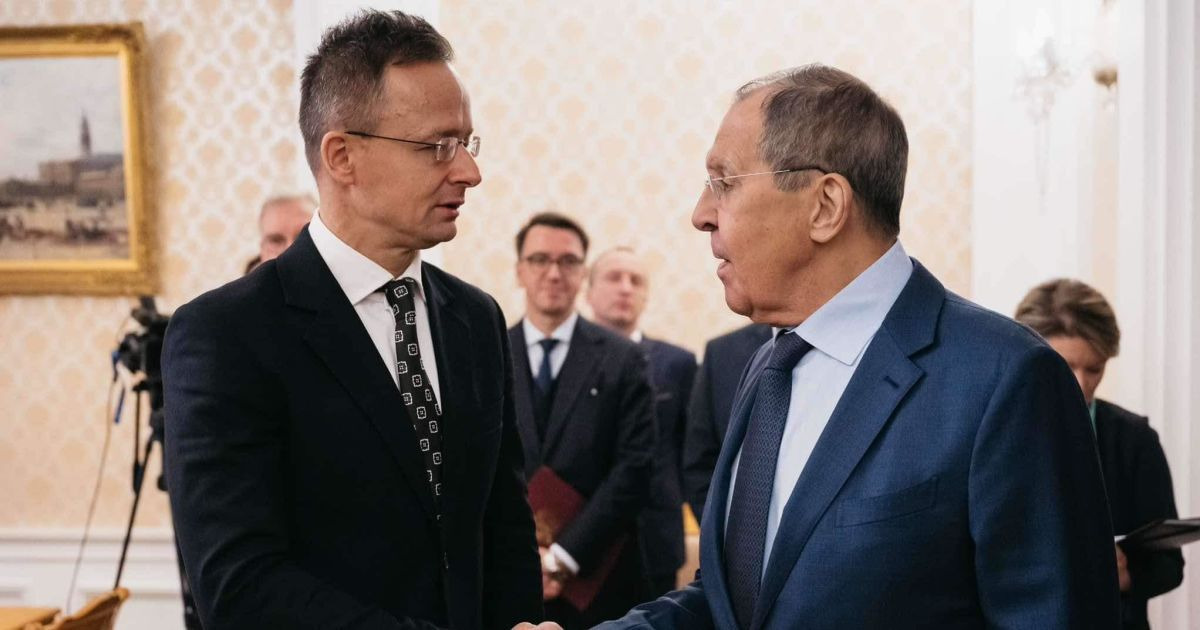
Hungarian Foreign Minister Péter Szijjártó reportedly calls Russia’s Foreign Minister Sergey Lavrov during breaks in EU meetings and shares “real-time updates on the discussions” as well as possible decisions.
The Washington Post reported on this, citing European security officials.
According to the sources, these calls meant that “for years, every EU meeting effectively included Moscow,” because Russia was being kept informed throughout the discussions.
According to Ferenc Fresch, the former head of Hungary’s Cyber Defense Service, the Viktor Orbán government provided Russia with an important “window” into sensitive EU discussions for many years – both through the physical presence of allies within the Hungarian government and through Russian hackers penetrating the computer networks of Hungary’s Ministry of Foreign Affairs.
Overall, since the start of Russia’s full-scale invasion of Ukraine in 2022, Péter Szijjártó has made 16 official visits to Moscow. The most recent took place on March 4, when he met with Russian President Vladimir Putin.

In early March 2026, it became known that officers of the Main Directorate of the General Staff of the Russian Armed Forces (GU GS), formerly known as the GRU, had arrived in Budapest to influence the outcome of Hungary’s parliamentary elections scheduled for April 12.
The pro-Russian Prime Minister Viktor Orbán may lose the election for the first time in 16 years. To mobilize voters, the Hungarian authorities have traditionally campaigned under slogans about combating an “external threat,” which – just as in 2022 – has been framed as “EU bureaucrats” and Ukraine.
According to sources, Vladimir Putin tasked Sergei Kiriyenko, First Deputy Head of the Presidential Administration, with “handling” Hungary. Kiriyenko is considered the architect of Russia’s political influence infrastructure, both domestically and abroad.
Kiriyenko was also behind Russia’s interference campaign in the 2024 Moldovan presidential election. At that time, Russia reportedly used vote-buying networks, troll farms, and local activists to shape public opinion against the pro-Western president Maia Sandu.
Russia has already launched a disinformation campaign in Hungary using fake images about Ukrainian cash collectors and has even proposed staging an assassination attempt on Viktor Orbán to rally support around the incumbent prime minister.
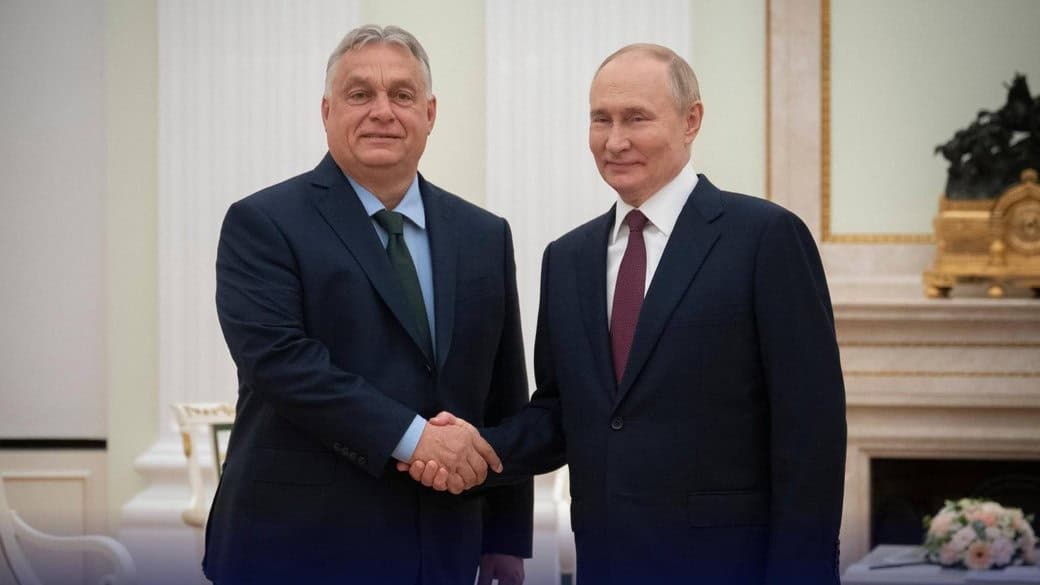
For many years, Hungary has been abusing its membership in the EU and NATO by blocking decisions of these alliances regarding Ukraine, even in cases where agreements had already been reached. For example, Hungary blocked a European Union decision to approve a €90 billion loan program for Ukraine despite prior approval.
Under the €90 billion plan, scheduled for 2026–2027, €60 billion is intended for military support, which is critical to ensuring Ukraine’s defense capabilities in both the short and long term.
Підтримати нас можна через:
Приват: 5169 3351 0164 7408 PayPal - [email protected] Стати нашим патроном за лінком ⬇
Subscribe to our newsletter
or on ours Telegram
Thank you!!
You are subscribed to our newsletter