

Popular
The future Chancellor of Germany, Friedrich Merz, confirmed his readiness to provide Ukraine with Taurus cruise missiles, but under certain conditions.
The Financial Times reported on this.
During an interview, Merz reaffirmed his campaign statements, noting that the delivery of German Taurus cruise missiles would increase pressure on Russia and its military plans.
However, he noted that the delivery of that type of weapon would not be carried out by Germany alone, but in coordination with European NATO allies who already had experience in supplying such missiles.
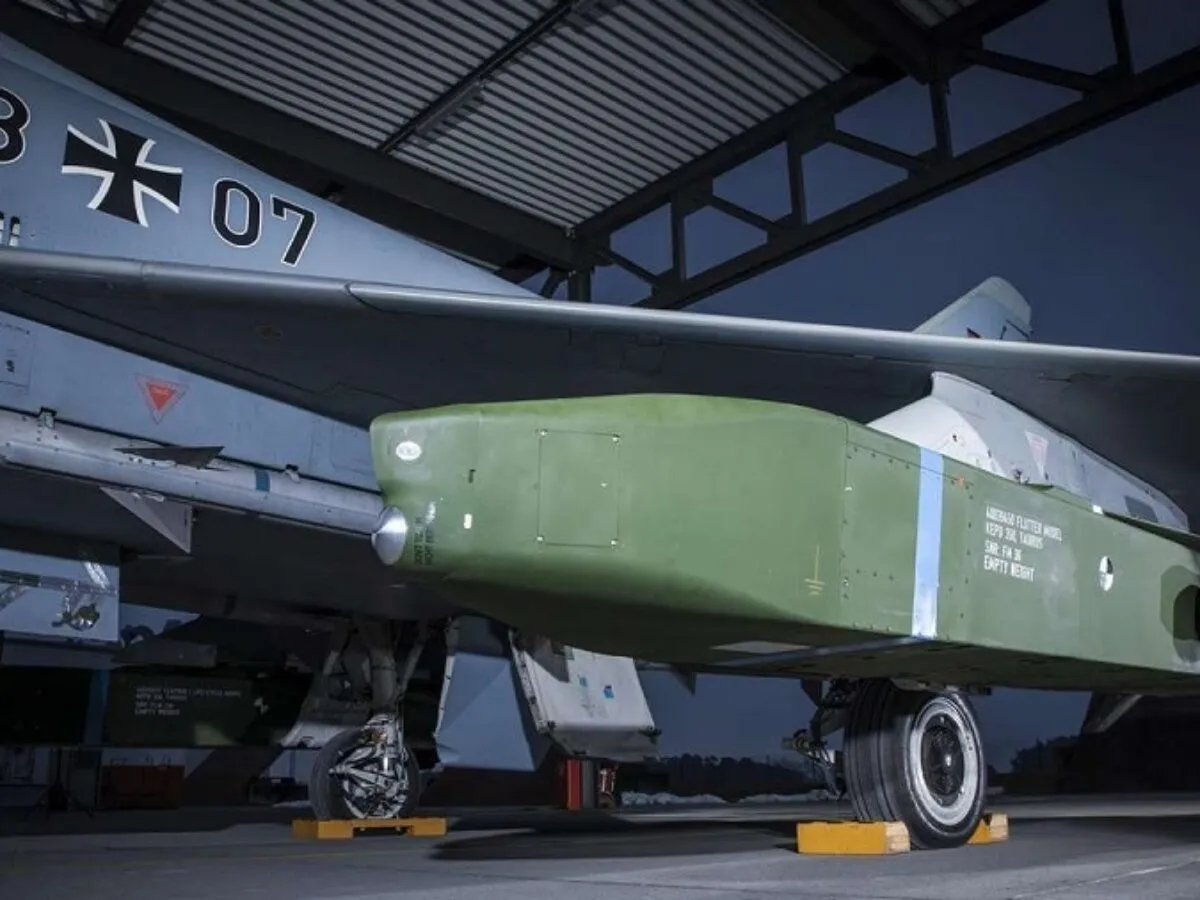
“Our European partners are already supplying cruise missiles,” he said to public broadcaster ARD on Sunday evening.
According to Merz, Germany should have delivered this weapon at the same time as the British and French, who provided Storm Shadow cruise missiles. Their use enabled Ukraine’s defense forces to inflict significant losses on the Russian fleet in Crimea, as well as on other military targets and equipment.
He additionally noted that the delivery must’ve first been coordinated with allies — likely referring to the UK, France, and possibly the United States.
“The British are doing it, the French are doing it, and the Americans are doing it anyway,” Merz added.
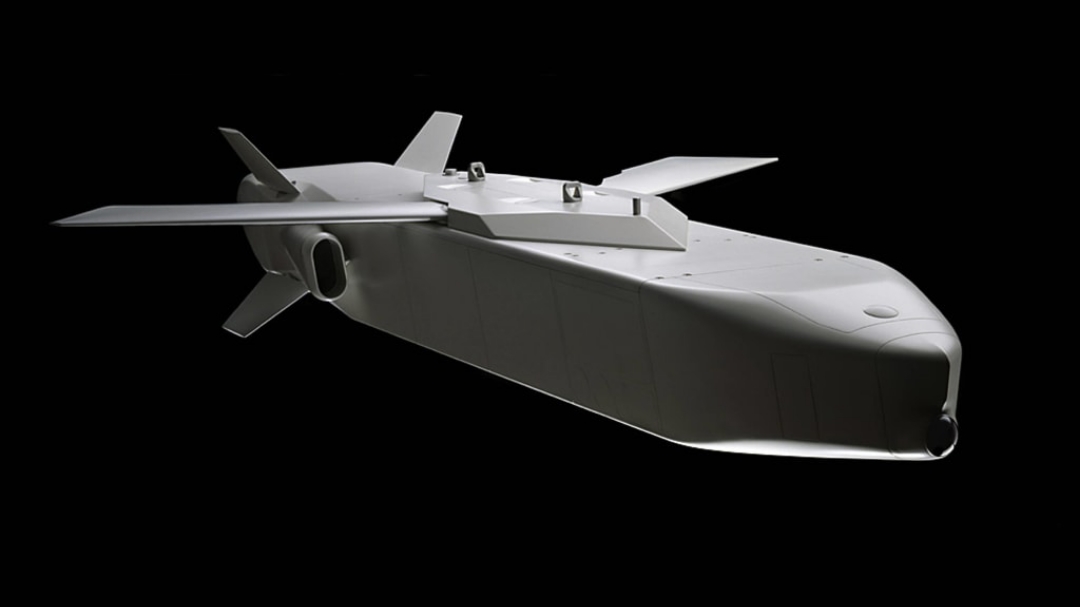
In addition to the direct delivery of the missiles, Merz also suggested that the cruise missiles could be used to strike Russian military targets in the temporarily occupied territory of Crimea, as well as the Kerch Bridge, which the Russians used to transport military equipment.
Militarnyi previously reported that the German Federal Ministry of Defence planned to purchase a new generation of Taurus Neo long-range cruise missiles.
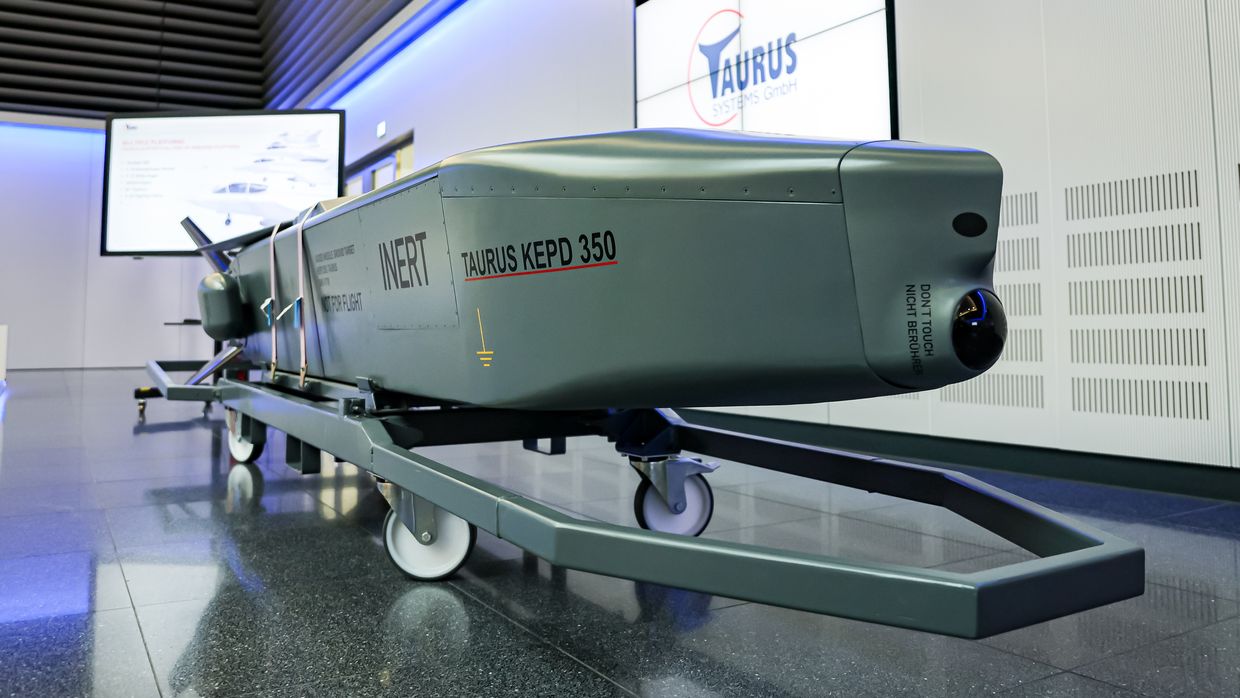
The Taurus KEPD 350/150 is a long-range air-to-surface cruise missile developed by the German-Swedish company Taurus Systems GmbH (a joint venture between MBDA Deutschland and Saab Bofors Dynamics).
The Taurus is 5.1 meters long, weighs around 1,400 kg, and is equipped with a tandem bunker-busting warhead called MEPHISTO, weighing 480 kg (a shaped charge for penetrating fortifications and a high-explosive charge for destroying the target). The maximum range of the base version is up to 500 km, although export versions may have a reduced range (300–400 km).
The missile reaches subsonic speeds (up to 0.95 Mach, approximately 1,000 km/h) and flies at low altitudes (30–70 meters), making it difficult to detect.
Its guidance system is combined: IBN (Image-Based Navigation), TRN (Terrain Reference Navigation), MIL-GPS, and an infrared seeker for precision in the final phase of flight.
Підтримати нас можна через:
Приват: 5169 3351 0164 7408 PayPal - [email protected] Стати нашим патроном за лінком ⬇
Subscribe to our newsletter
or on ours Telegram
Thank you!!
You are subscribed to our newsletter