





Popular
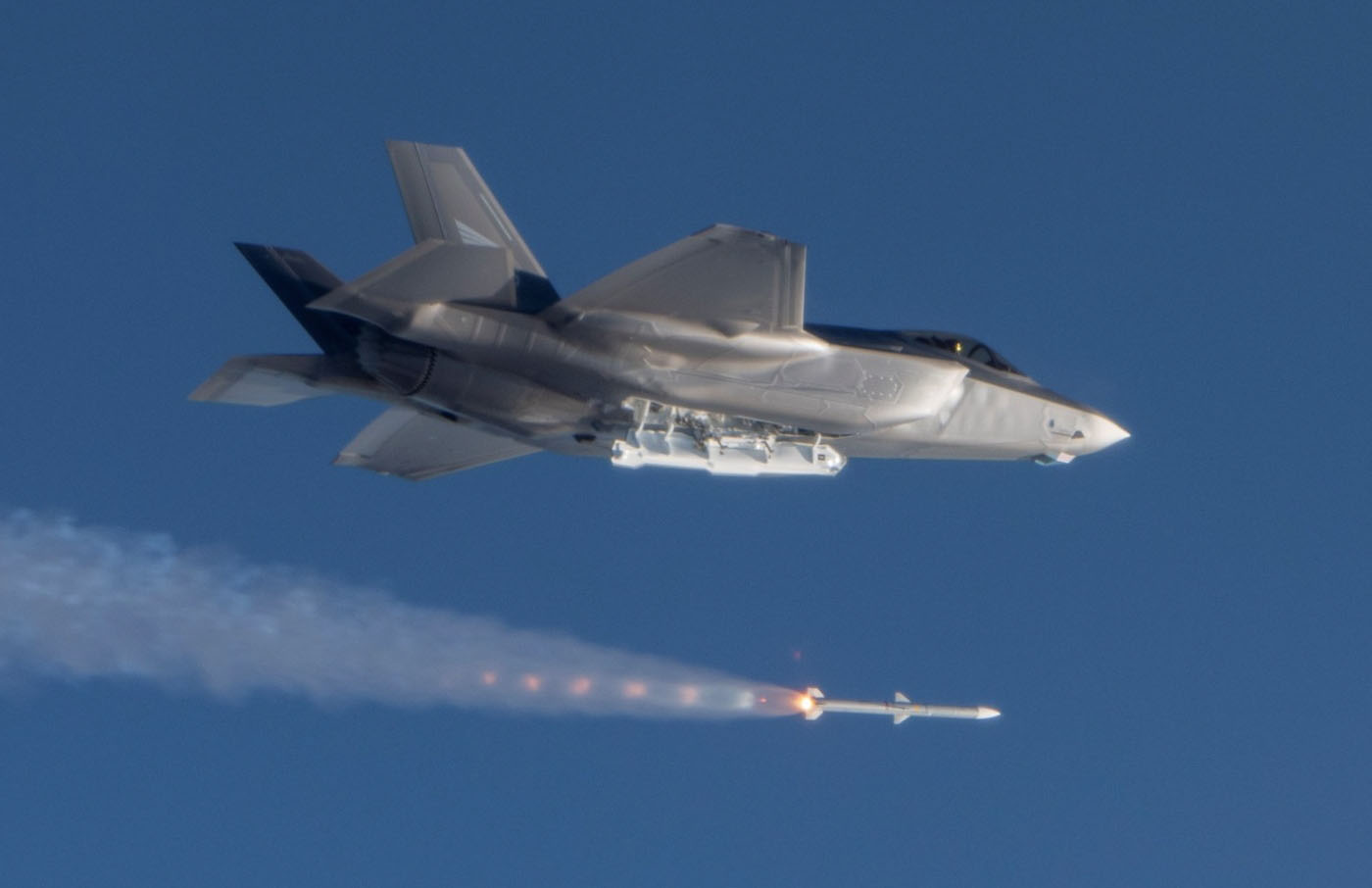
During the incursion by Russian drones into Poland, NATO aircraft used expensive AIM-120C-7 missiles to destroy them.
Dariusz Stefaniuk, a Polish Sejm deputy, published photos of the wreckage of this missile.
“This is a part of the missile that shot down the drone, not the missile the drone was carrying. The fragments fell after the drone was intercepted near the village of Kodenec-Wyki,” the politician said.
The missile was fired from either a Dutch F-35 or a Polish F-16 fighter jet, which participated in the interception of Russian drones, of which more than 20 units flew into Poland.

NATO’s tactic of using AMRAAM missiles against cheap decoy drones, the Gerbera, in the event of a large-scale war could lead to a rapid depletion of weapons stockpiles.
The exact “net” price of these missiles is not disclosed. However, an analysis of contracts for sales to US allies shows that their cost ranges between $1.5 and $2 million.
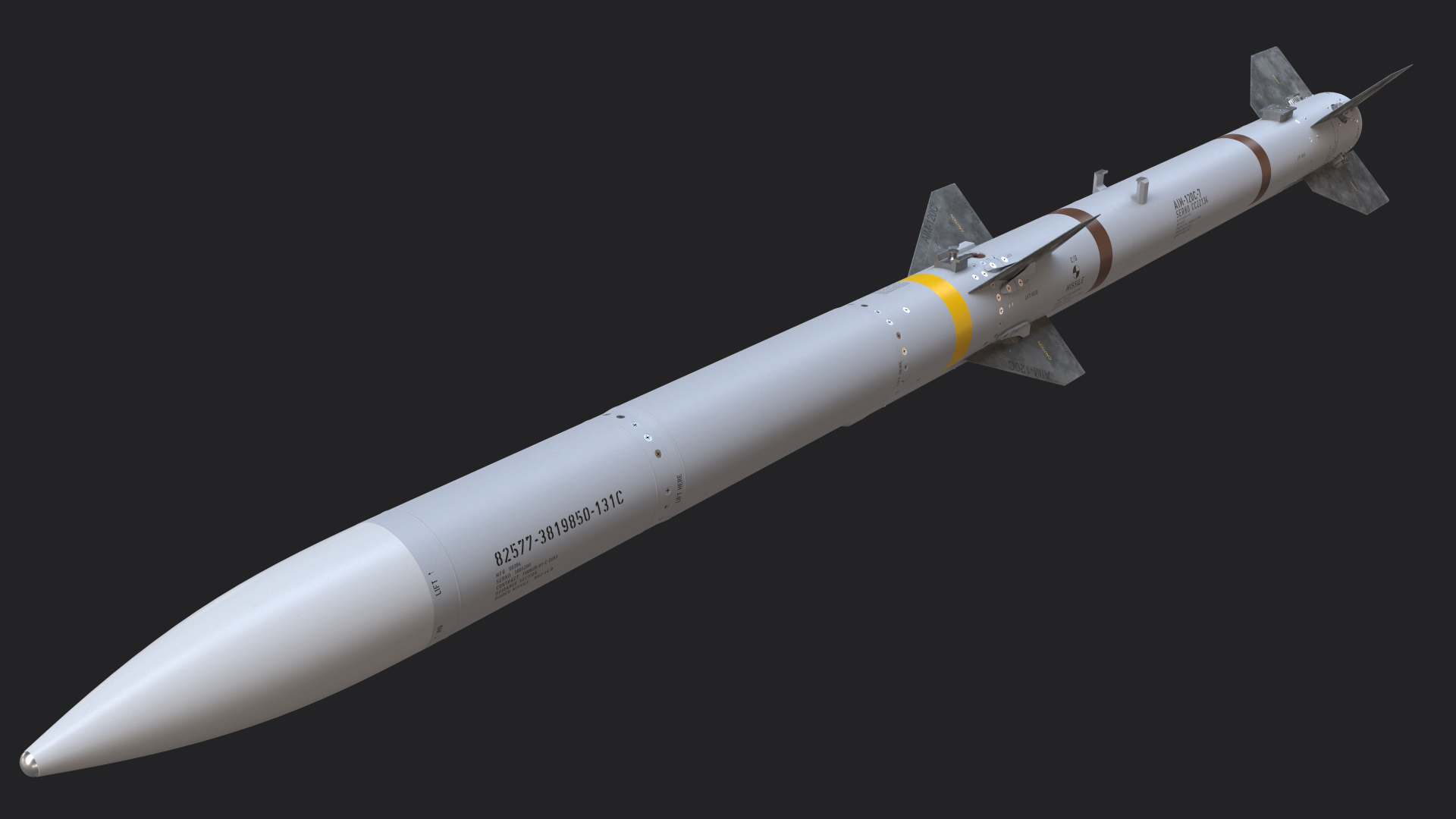
In 2017, the Netherlands agreed to sell 26 AIM-120C-7 AMRAAM missiles under a contract worth $53 million. This amounts to approximately $2 million per unit, excluding additional components of the deal (gross).
The price included logistics, spare guidance section elements, training missiles, transportation and storage containers, spare parts, training, and documentation. The sale also included engineering, logistics, and technical services from the US government and contractors.
In the same year, Poland ordered up to 150 AIM-120C-7 missiles worth $250 million.
According to this contract, the cost of one missile was approximately $1.6 million. However, the price also included related equipment and services, which reduces the actual price of the missile itself.

In 2019, the U.S. State Department approved the sale of 180 AIM-120C-7 missiles to Hungary under a contract worth $500 million.
At this price, one missile could cost about $2.7 million. At the same time, the deal also included a variety of related equipment and services, which accounted for a significant portion of the total contract amount.
The Russian Gerbera drones launched in Poland are decoys, not attack drones. Their task is to detect air defense positions and force the enemy to spend expensive anti-aircraft missiles.
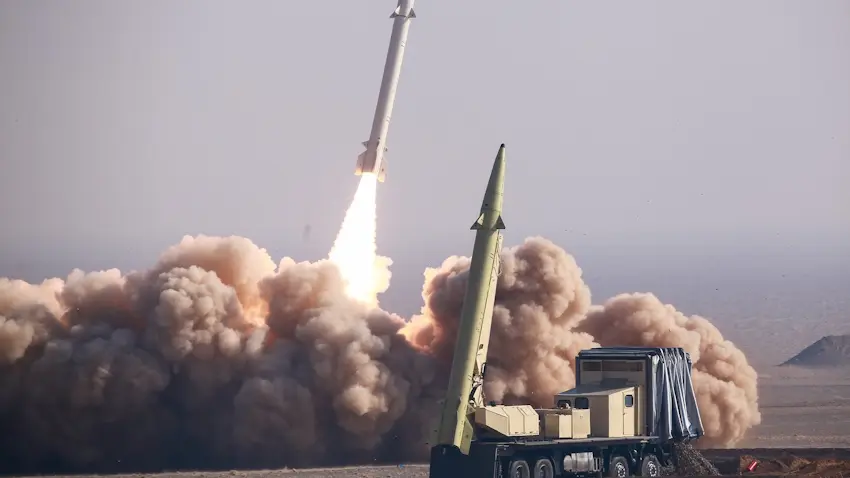
“The Gerbera is a cheap drone made of expanded polystyrene. Its interior is lined with plywood. It is called a simplified version of the Iranian Shahed-136 kamikaze drone.
The drone has a minimal set of equipment: one engine and fuel tanks made of flexible multilayer polymer material. It does not have a camera.

In 2024, in a commentary to Reuters, Andrшy Chernyak, spokesman for the Defense Intelligence, said that the cost of one such drone for Russia is about USD 10 thousand.
For comparison, according to the documents of the Iranian company Sahara Thunder, which signed agreements with Russia for the supply of Shahed-136, one Shahed costs approximately $200,000. The price was later reduced due to the localization of production in Russia.

Currently, the cost of one Shahed is estimated at between USD 50 and 70 thousand.
However, even shooting down Shaheds with AIM-120 AMRAAM missiles will quickly deplete the stockpile of these expensive aircraft munitions.
With this in mind, inexpensive anti-drone systems are becoming one of the key areas of development in many countries.
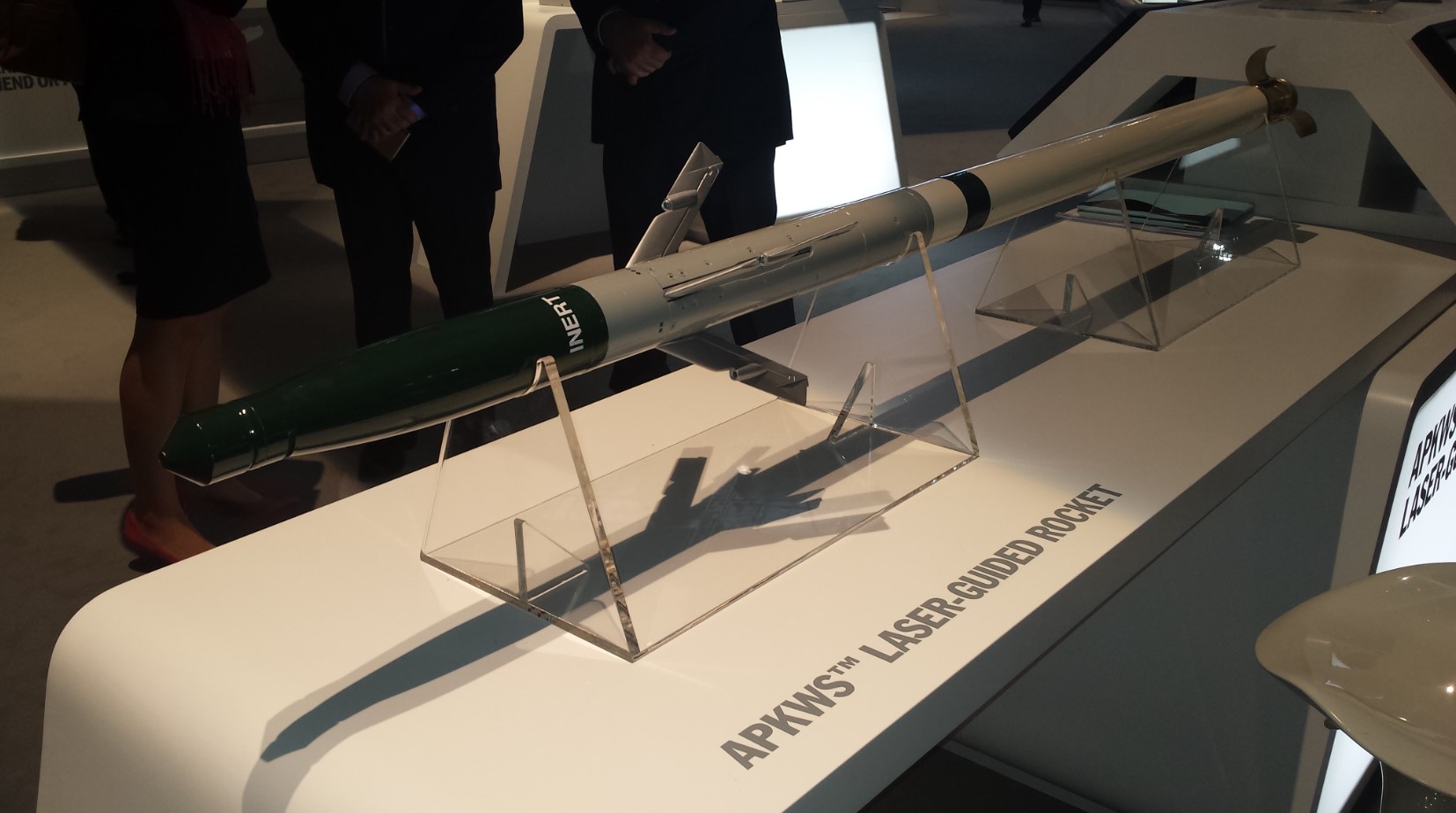
The United States, for example, is already integrating cheaper APKWS missiles into its fighter jets to combat drones, while looking for ways to reduce the cost of interception equipment and even testing Apache helicopters to destroy drones.
In Ukraine, mobile air defense groups, helicopters, and light aircraft armed with heavy machine guns are used to counter Russian drones.
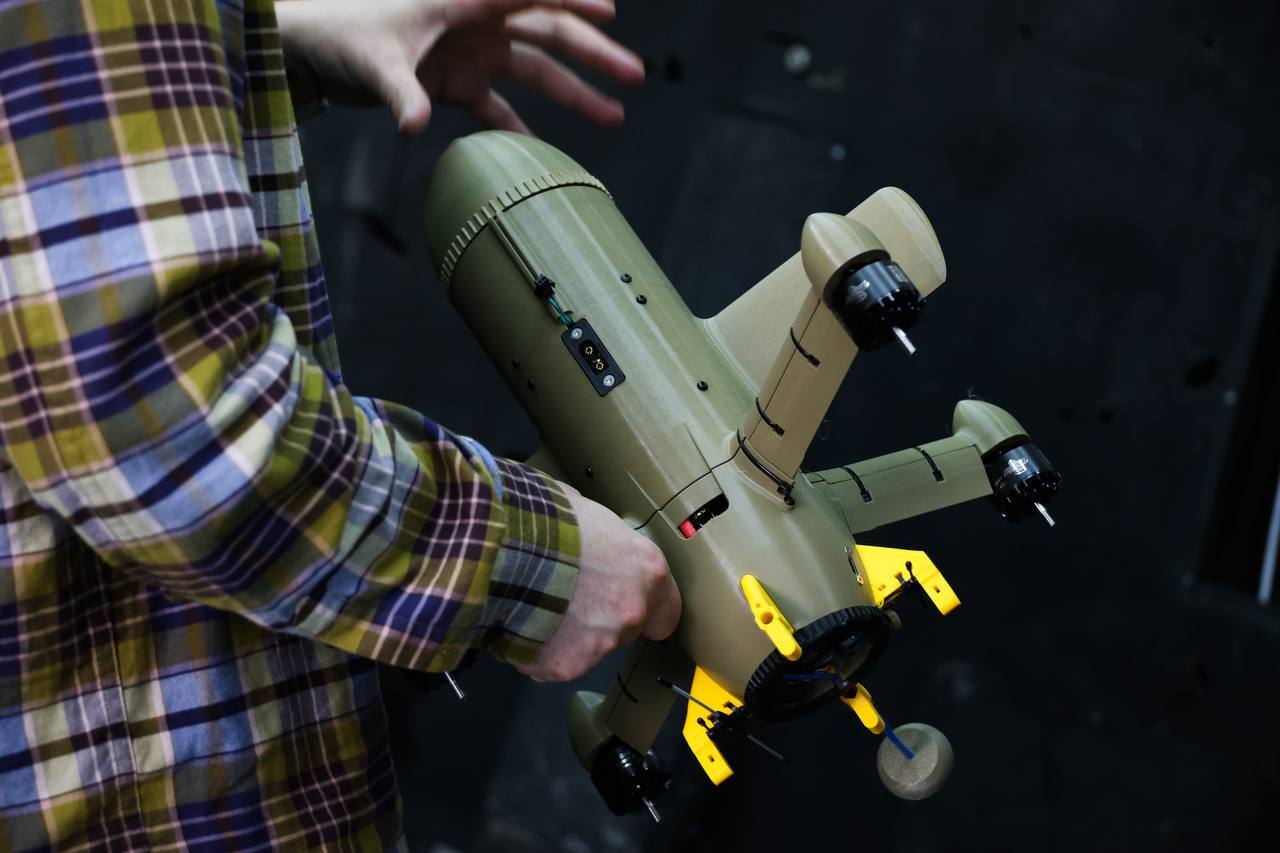
In addition, interceptor drones are actively used, which are much cheaper than air defense missiles.
Підтримати нас можна через:
Приват: 5169 3351 0164 7408 PayPal - [email protected] Стати нашим патроном за лінком ⬇
Subscribe to our newsletter
or on ours Telegram
Thank you!!
You are subscribed to our newsletter