



Popular
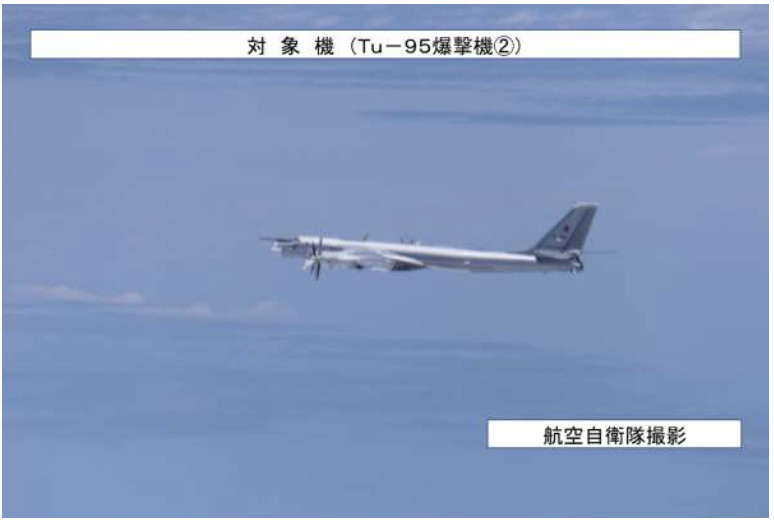
Russian strategic aviation conducted training flights near Japanese airspace in the Sea of Japan.
This was reported by the Joint Staff of the Japan Ministry of Defense.
The Russian Aerospace Forces’ activity lasted from January 21 to 24, 2026.
In particular, on January 21, the Russian command deployed two Tu-95MS strategic bombers.
They were accompanied by two fighter jets, whose route lay eastward over the Sea of Japan. Near the coast of Shimane Prefecture, the planes changed course and headed north toward mainland Russia.
Subsequently, another pair of Tu-95 bombers arrived from the mainland and flew northeast, west of the island of Hokkaido, accompanied by fighter jets.
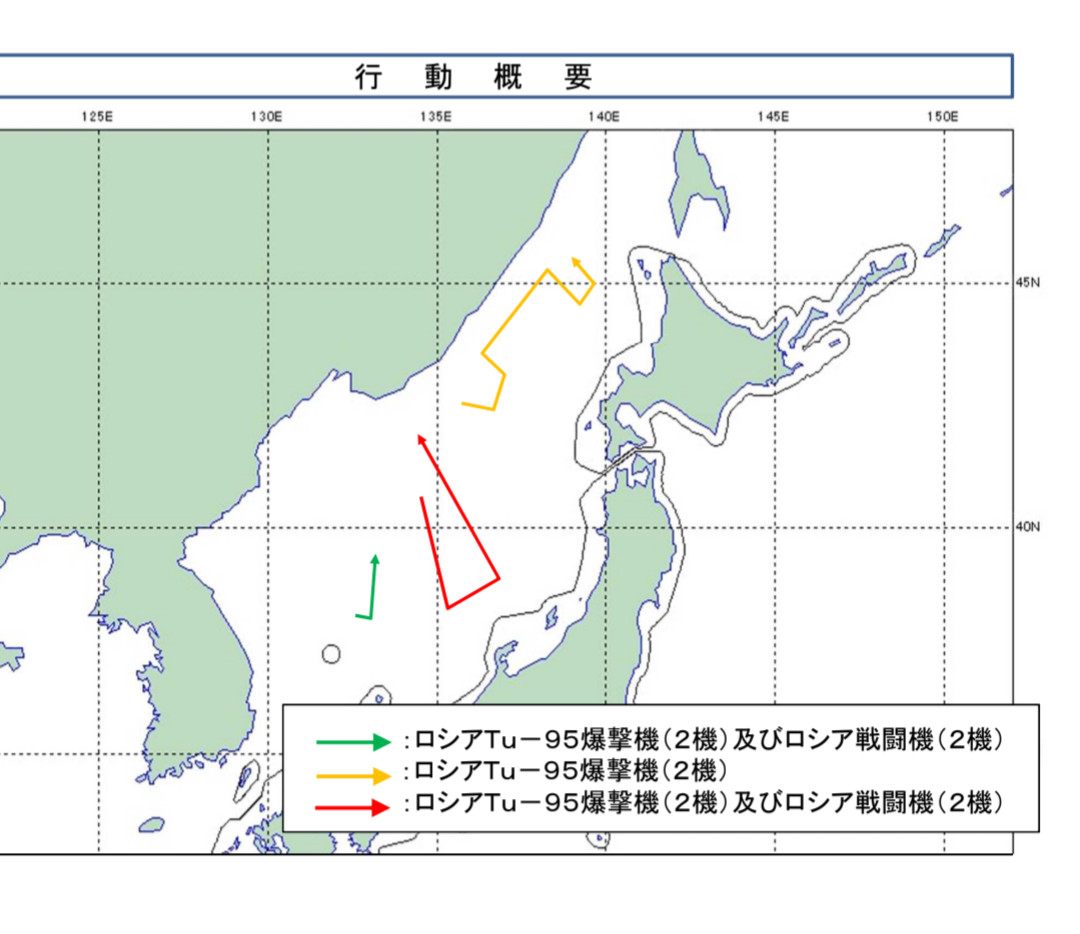
Later, another group of strategic aircraft headed southeast over the Sea of Japan, turned around off the coast of the Noto Peninsula, and headed back to Russian airspace.
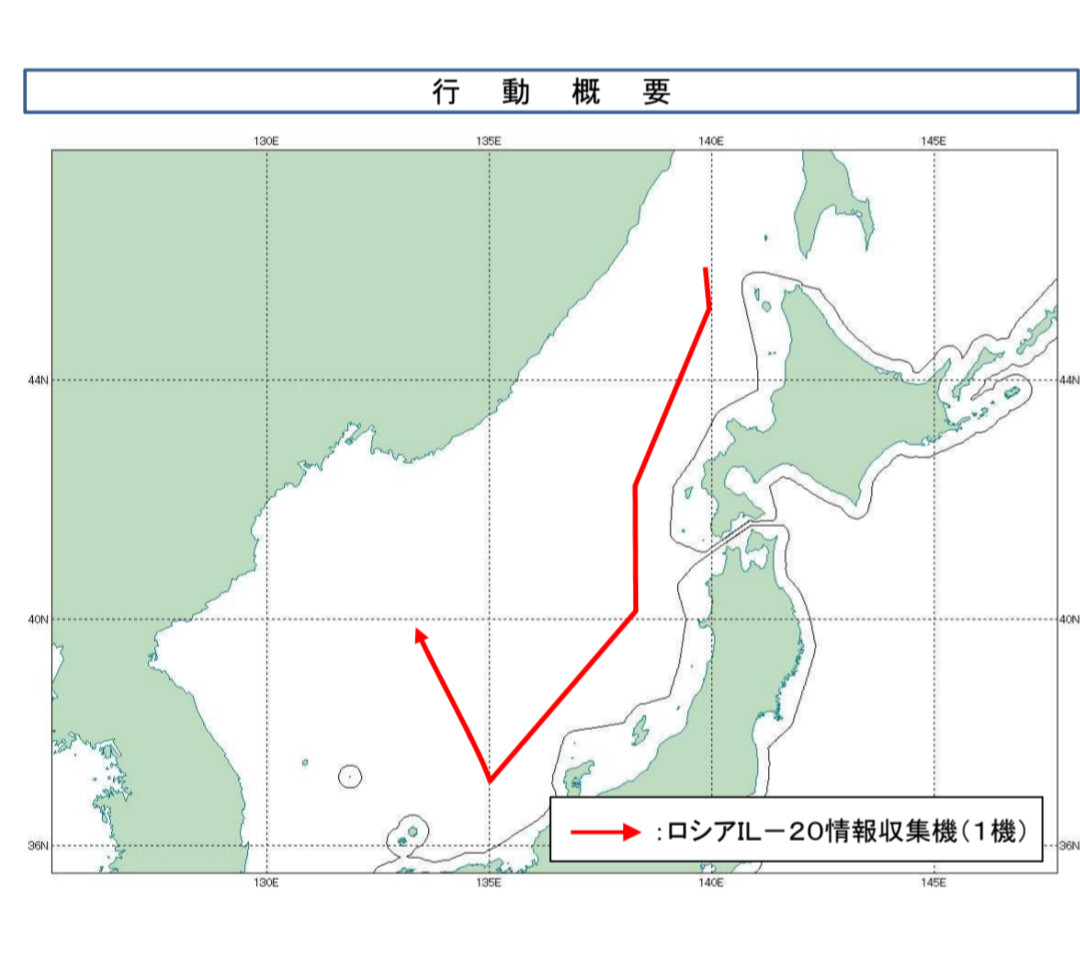
In addition to the bombers, on January 23, 2026, a Russian Il-20 reconnaissance aircraft made a long-range flight near Japanese airspace.
It flew southwest over the Sea of Japan, changed course off the coast of Kyoto Prefecture, and headed toward the mainland.
The flights of the Russian air component were monitored by Japan Air Self-Defense Force fighter jets.
They escorted the foreign aircraft until they completely exited Japan’s air defense identification zone.
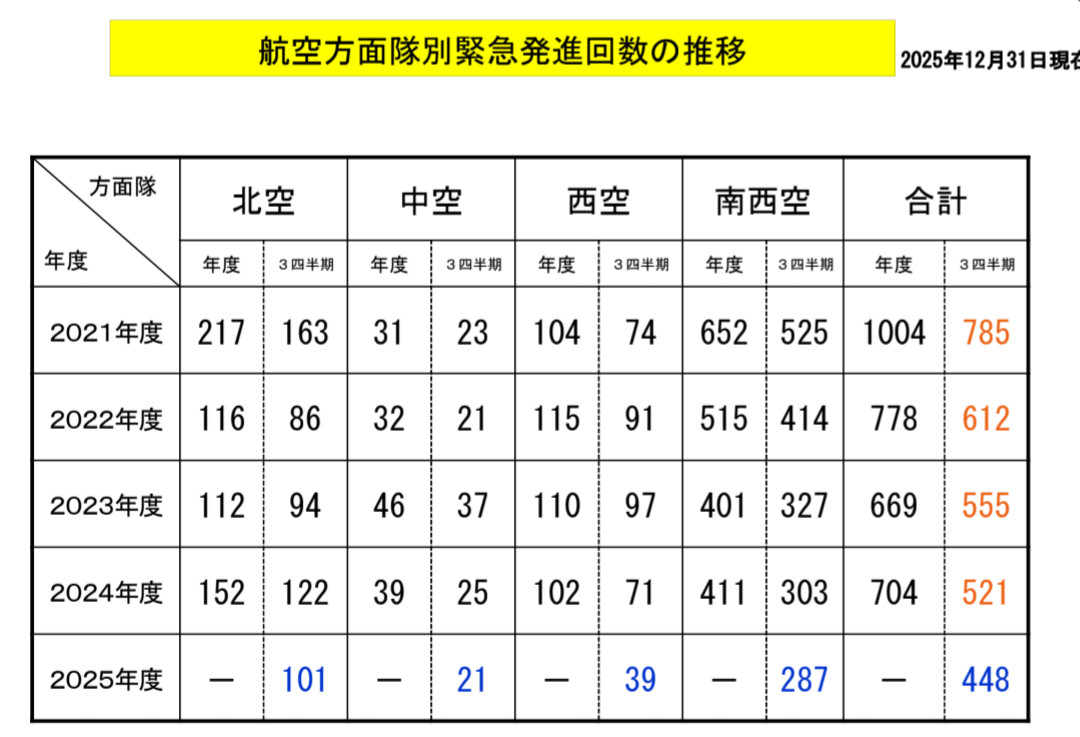
It is worth noting that during the first three quarters of fiscal year 2025, foreign military aircraft forced the Japanese Self-Defense Forces to scramble 448 times.
Although this figure is slightly lower than the same period last year, when 521 sorties were recorded, the intensity of operations near Japanese airspace remains high.
China has traditionally been the most active, accounting for 68% of all incidents (304 cases), while Russian aircraft were the cause of interceptions in 29% of cases (130 sorties).
The main tension is concentrated in the southwestern sector, where Japanese fighters took off to intercept 287 times. The main challenges to regional security were the maneuvers of Russian Tu-95 strategic bombers accompanied by fighters in the waters of the Sea of Japan.
The Japanese Joint Staff pays particular attention to the actions of Chinese carrier-based aircraft — during the reporting period alone, approximately 260 takeoffs and landings of J-15 fighters from aircraft carriers in the Pacific Ocean were recorded. In addition, Moscow and Beijing continue to conduct joint long-range flights of H-6 and Tu-95 bombers.
It should be noted that Tokyo responds to such actions with countermeasures to demonstrate its own capabilities.
In particular, Japan launched 16 F-2 fighters equipped with 64 anti-ship missiles in response to the Chinese fleet’s activity in the region.
Підтримати нас можна через:
Приват: 5169 3351 0164 7408 PayPal - [email protected] Стати нашим патроном за лінком ⬇
Subscribe to our newsletter
or on ours Telegram
Thank you!!
You are subscribed to our newsletter