


Popular
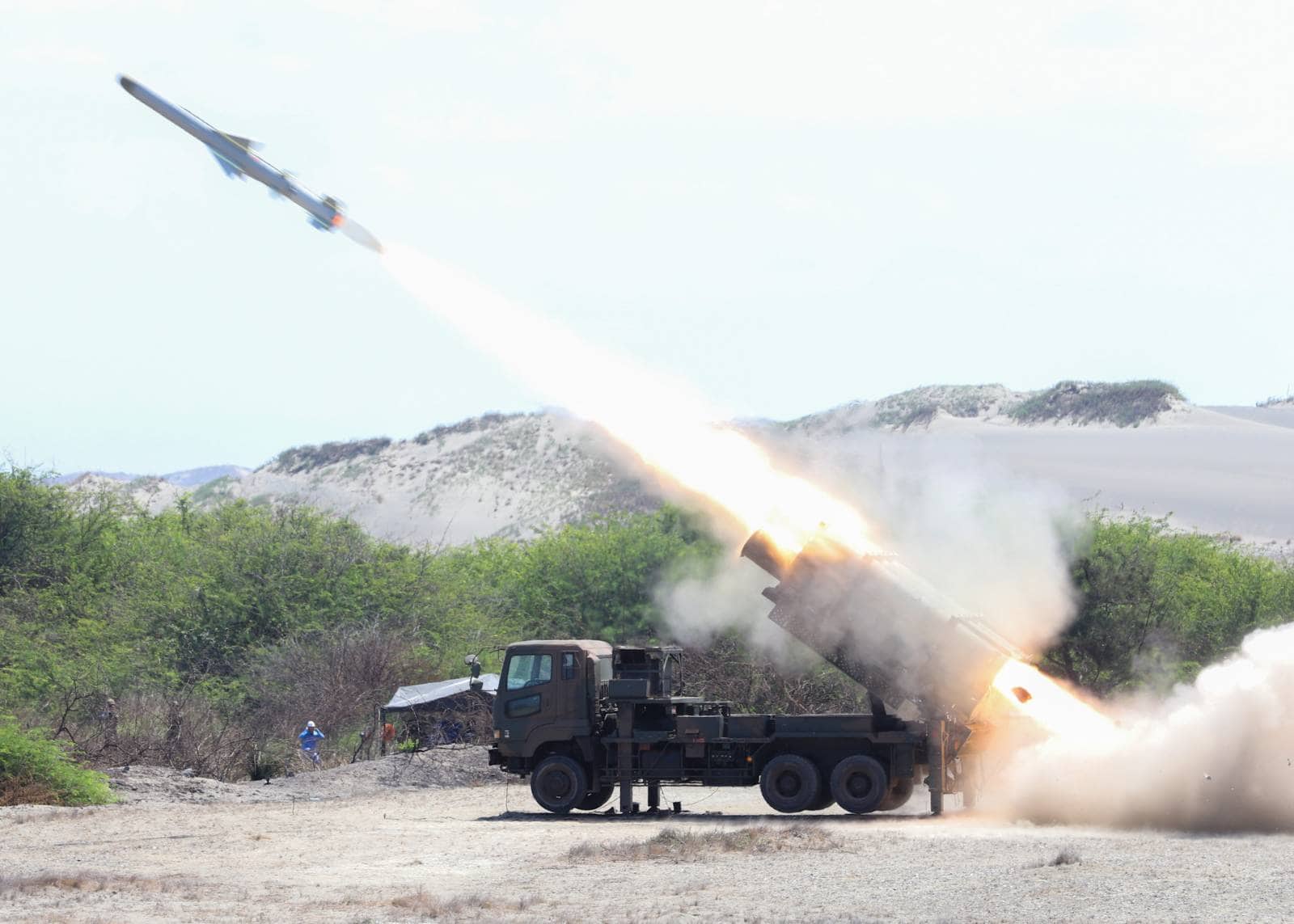
The Japan Ground Self-Defense Forces conducted their first missile firing from a coastal missile system in the Philippines.
The Philippine Department of Defense reported this.
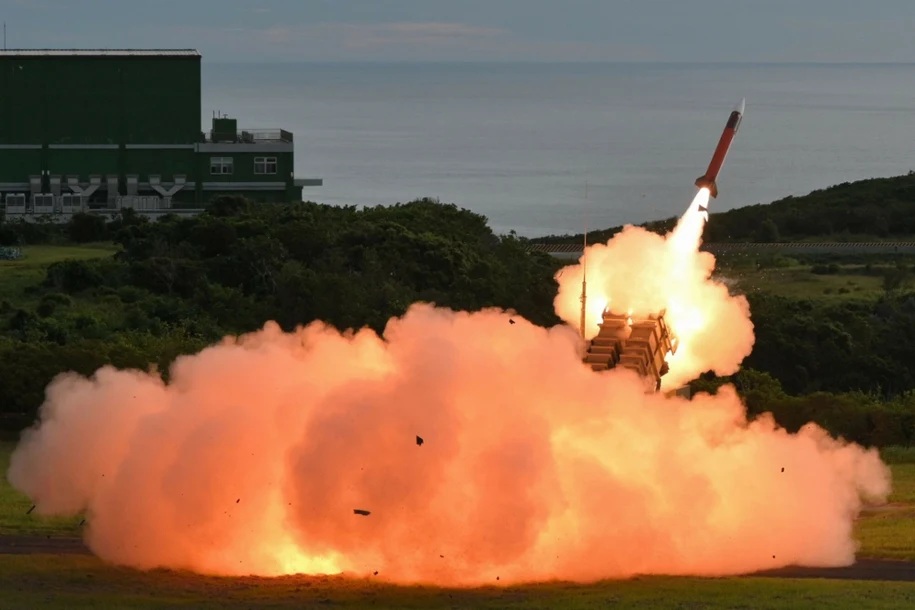
Japanese forces used a Type 88 coastal missile system during the drills, launching a pair of SSM-1s.
The firings took place as part of the Balikatan 2026 exercise at the Paoay Sand Dunes in Ilocos Norte. The 1st Anti-Ship Regiment of the 1st Artillery Brigade of the Northern Army of the Japan Ground Self-Defense Forces conducted the maneuvers.
These firings were part of a broader program to deploy troops and equipment to protect the Philippines from potential amphibious landings. Alongside the Type 88 system, U.S. NSM missile launchers also took part in the exercises.
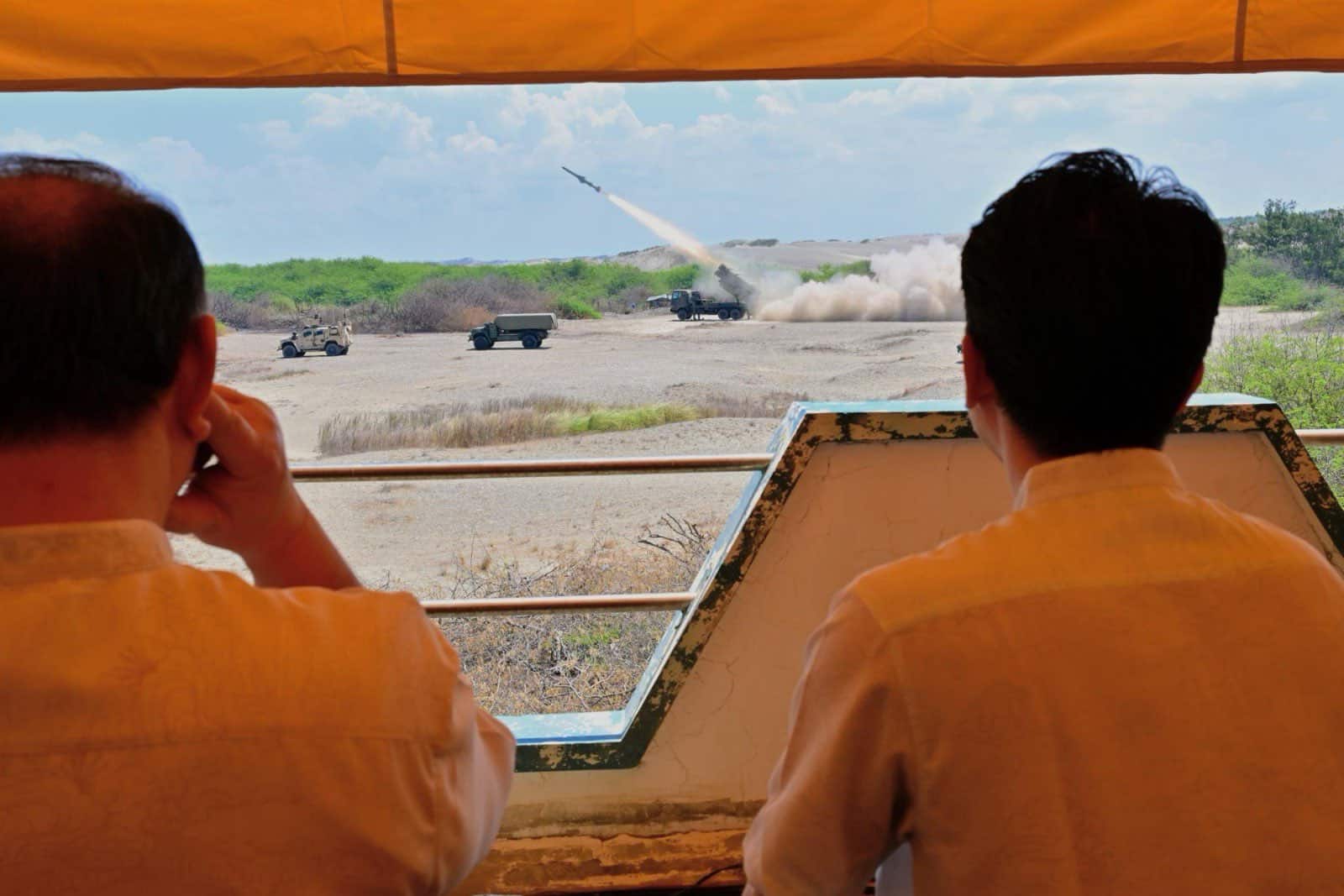
Defense Minister Shinjiro Koizumi directly observed the Japanese firings.
Balikatan 2026 is the 41st annual U.S.-Philippine exercise, taking place from April 20 to May 8, 2026, across multiple locations in the Philippine archipelago.
Organizers described it as the largest and most complex in the series, with more than 17,000 personnel involved, including about 10,000 from the United States.
This year’s exercise expanded beyond a bilateral format. Australia participated again, while Canada, France, New Zealand, and Japan took part as active participants for the first time.
The drills covered air, land, sea, and cyberspace domains. Participants practiced naval operations, integrated air and missile defense, counter-landing operations, live-fire drills, precision strikes, and humanitarian missions.
U.S. and Philippine forces also conducted Tactical Combat Casualty Care training in Tacloban and a rescue operation near Lallo in Cagayan province.
The maritime component drew particular attention. The multinational naval phase involved the USS Ashland, USCGC Midgett, Philippine Navy vessels BRP Tarlac, BRP Miguel Malvar, and BRP Antonio Luna, Japanese ships JS Ise, JS Ikazuchi, and JS Shimokita, Canadian frigate HMCS Charlottetown, and Australian ship HMAS Toowoomba.
Japan was the first to conduct live fire, using the Type 88 system in a naval strike scenario against a decommissioned ship.
Following the easing of restrictions on arms exports, many countries, particularly in the Indo-Pacific region, have shown interest in Japanese weapons, including both new systems and decommissioned equipment.
The Type 88 coastal anti-ship system was the first of its kind adopted by the Japan Ground Self-Defense Forces. It entered service in 1988, a year after successful tests in the United States.
The system uses the SSM-1 to engage ships. Its maximum range is about 150–200 km. The missile weighs about 660 kg, is 5 meters long, and has a diameter of 350 mm.

A solid-fuel booster launches the missile, after which a turbojet engine powers its cruise phase. Mitsubishi Heavy Industries produces the propulsion system, model TJM2.
The missile uses a combined guidance system: inertial navigation during the midcourse phase and an active radar seeker in the terminal phase.
Підтримати нас можна через:
Приват: 5169 3351 0164 7408 PayPal - [email protected] Стати нашим патроном за лінком ⬇
Subscribe to our newsletter
or on ours Telegram
Thank you!!
You are subscribed to our newsletter