




Popular
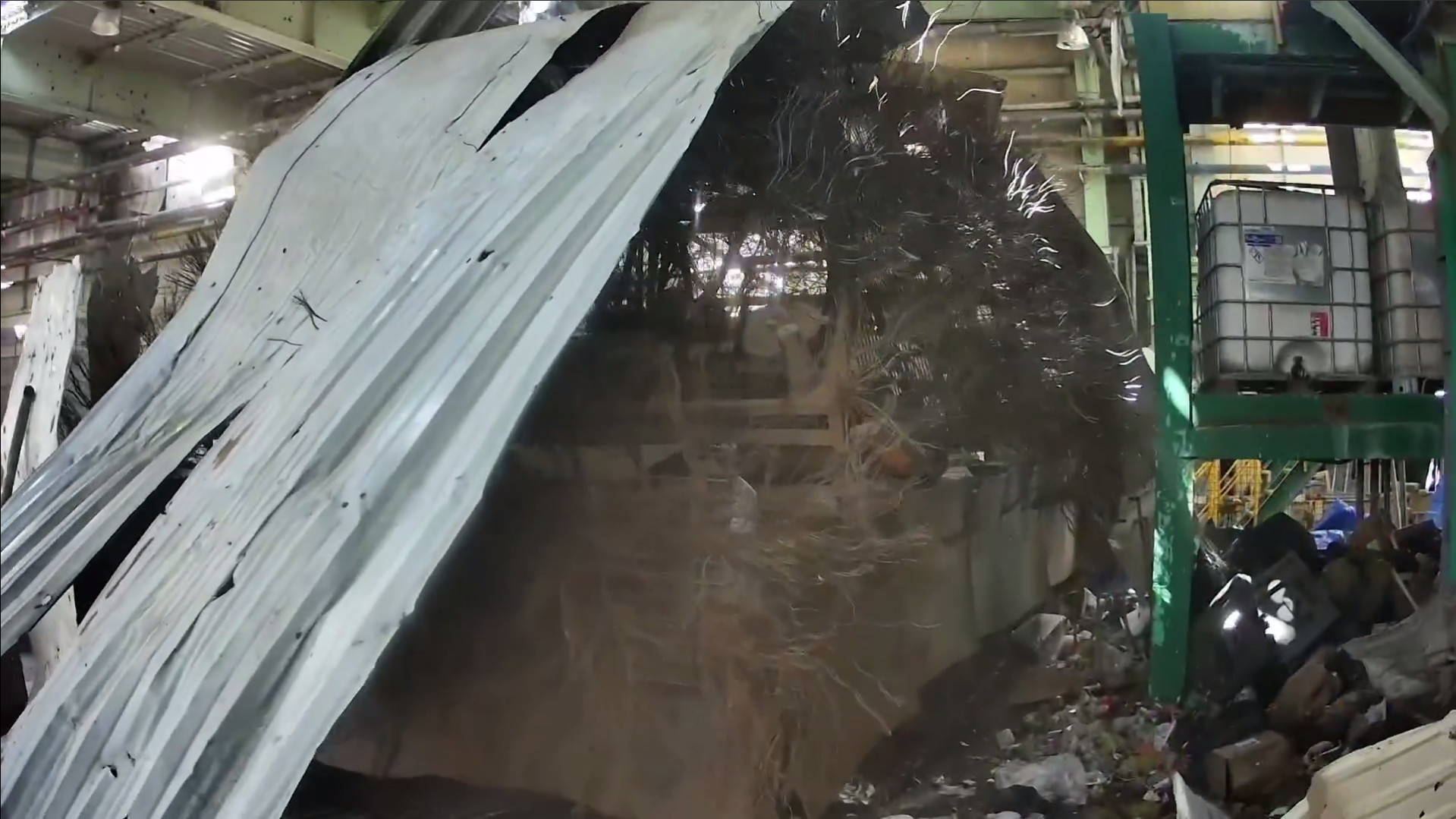
New Ukrainian-made Ptashka 17-O-50 km fiber-optic drones, with a range of up to 50 km, have struck Russian armored vehicles deep behind the front lines.
The strikes were reported to Militarnyi by Ptashka Drones, the company that developed the drones.
According to the released footage, the drones targeted camouflaged armored vehicles at storage sites deep in the Russian rear. The drone operators also carried out several ambushes along Russian logistics routes, striking a significant number of vehicles and motorcycles.
According to the company, the Ptashka 17-O-50 km is the only 17-inch FPV drone with a fiber-optic control link and a 50-kilometer range that has been officially codified in Ukraine.
Digital image transmission and the extended range not only allow the drone to operate at greater distances, but also enable operators to be positioned farther from the line of contact, reducing the risk to personnel.
The UAV system is equipped with a 50-km spool of Chinese-made G.657.A2 fiber-optic cable with a diameter of 0.26 mm and transmits a digital video signal from a low-light camera.
The drone has a cruising speed of 85 km/h, a maximum speed of 110 km/h, and a flight endurance of 35 minutes. It does not have a terminal guidance system.
The drones are already available for procurement through the Army of Drones.Bonus program and via the DOT-Chain Defence system.
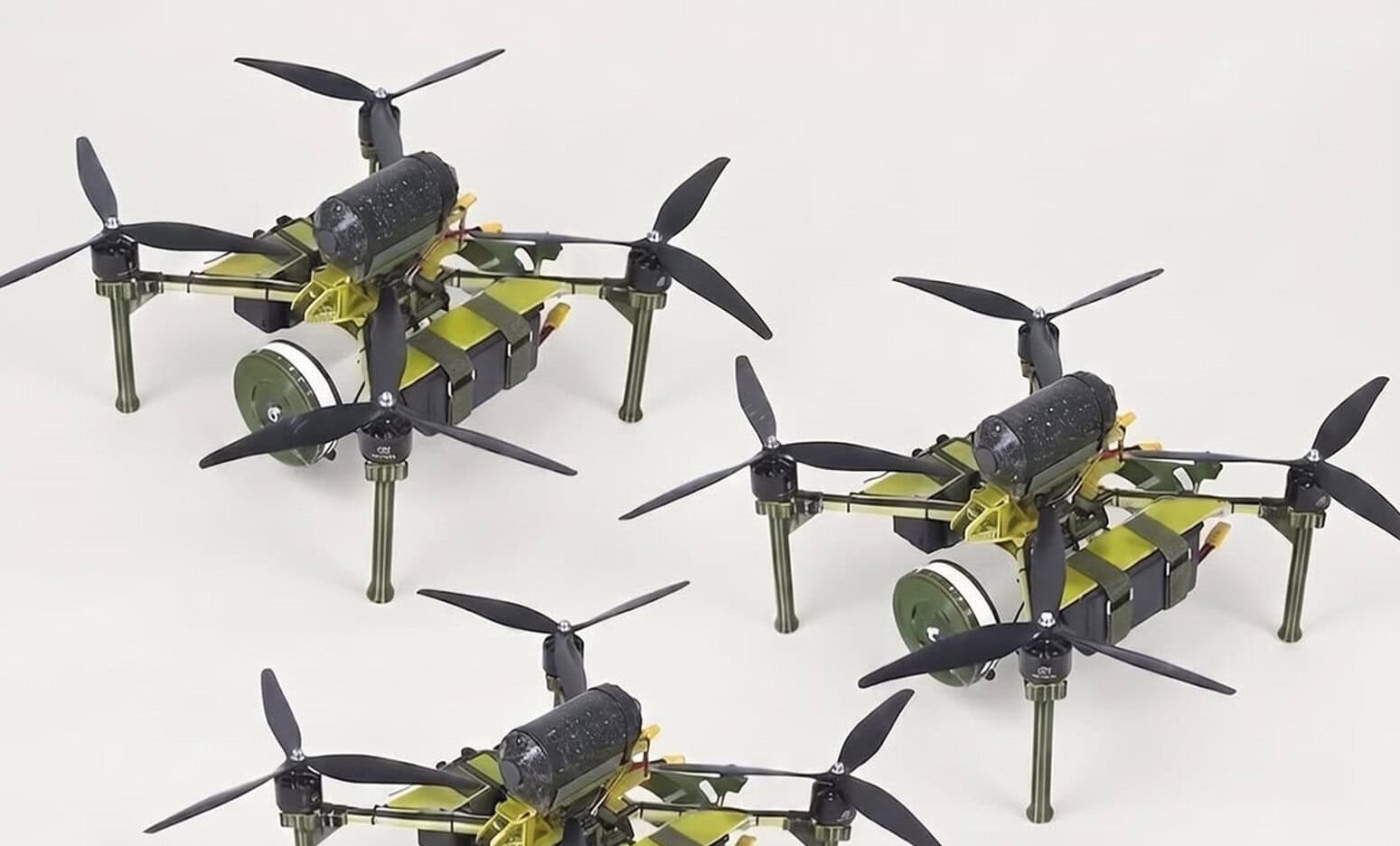
The Ukrainian company Ptashka Drones first showcased a series of strikes carried out by FPV drones using a fiber-optic cable with a claimed range of 50 km in December 2025. However, the drones used analog cameras at the time, which provided lower image quality.
Fiber-optic FPV drones are connected to a ground station by a thin cable that is unwound from a spool mounted on the drone during flight. The cable carries both control commands and the video signal, meaning the communications link does not depend on line-of-sight radio transmission and is not susceptible to disruption by conventional electronic warfare systems.

This type of communications link provides a stable, low-latency video feed and allows the drone to fly at low altitudes, behind obstacles, through built-up areas and tree lines, and along terrain depressions. The absence of a radio signal also makes it more difficult for electronic intelligence systems to locate the operator’s position.
Meanwhile, the large fiber-optic spool increases the drone’s weight and dimensions, reduces its maneuverability, and decreases its payload capacity. The cable can also break or become snagged on obstacles. Another drawback is the cost. For long-range operations, control via Starlink satellite terminals is cheaper than using fiber-optic cable, but it does not provide immunity to electronic warfare and can lose the signal when obstacles obstruct the connection.
Підтримати нас можна через:
Приват: 5169 3351 0164 7408 PayPal - [email protected] Стати нашим патроном за лінком ⬇
Subscribe to our newsletter
or on ours Telegram
Thank you!!
You are subscribed to our newsletter