
Popular
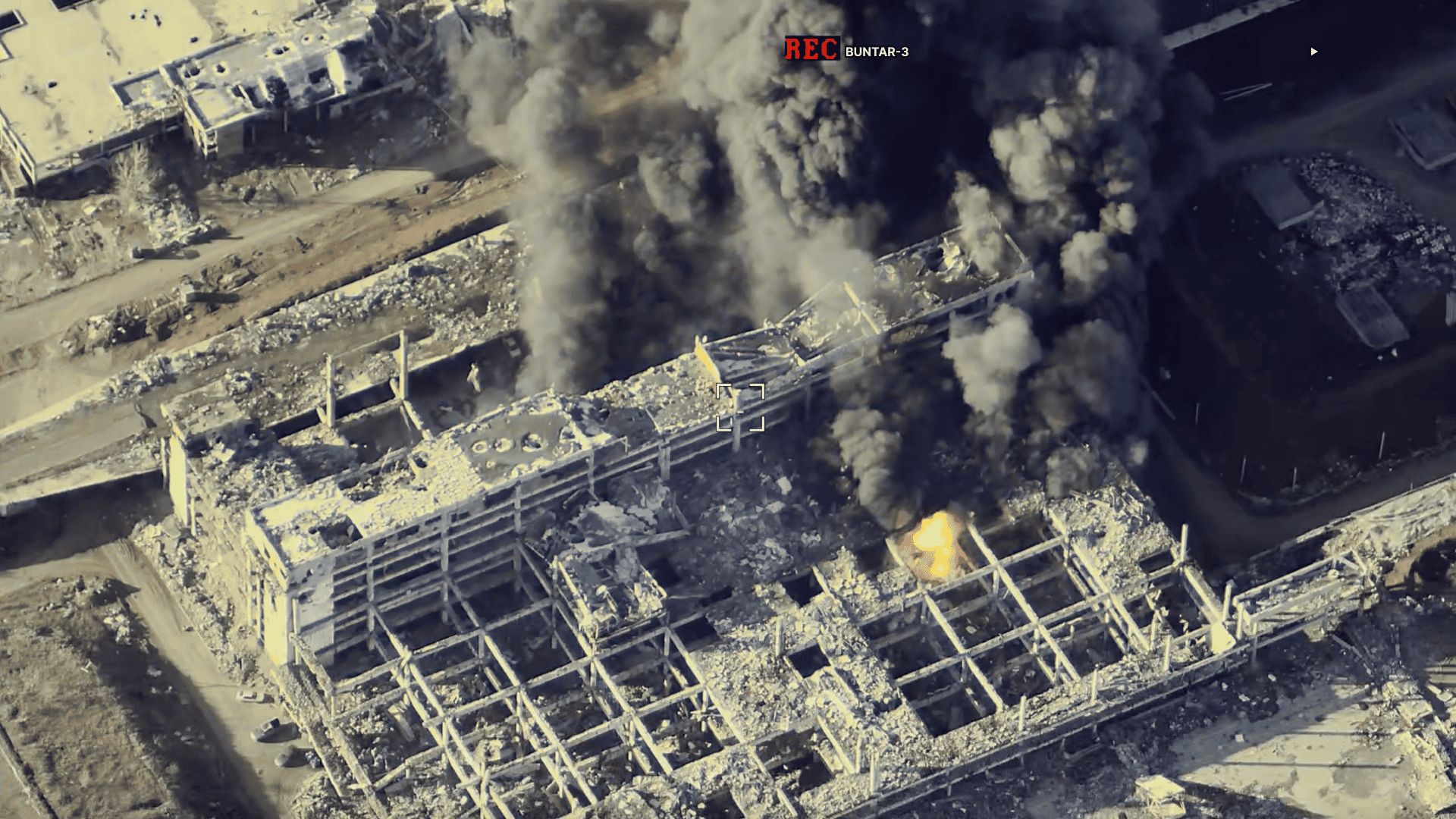
The Buntar-3 reconnaissance UAV from the Ukrainian company Buntar Aerospace corrected a missile strike on a base used for storing, training, and launching enemy Shahed attack drones at Donetsk airport.
Buntar Aerospace reported this on its Facebook page.
The strike was launched on March 7 by units of the Rocket Forces and Artillery together with Air Force aviation using SCALP cruise missiles and ATACMS ballistic missiles.
After the strike, a large fire broke out at the facility, and a powerful secondary detonation of ammunition was reported.
Operators of the 414th Birds of the Magyar Separate Brigade of Unmanned Systems performed reconnaissance and strike adjustment.
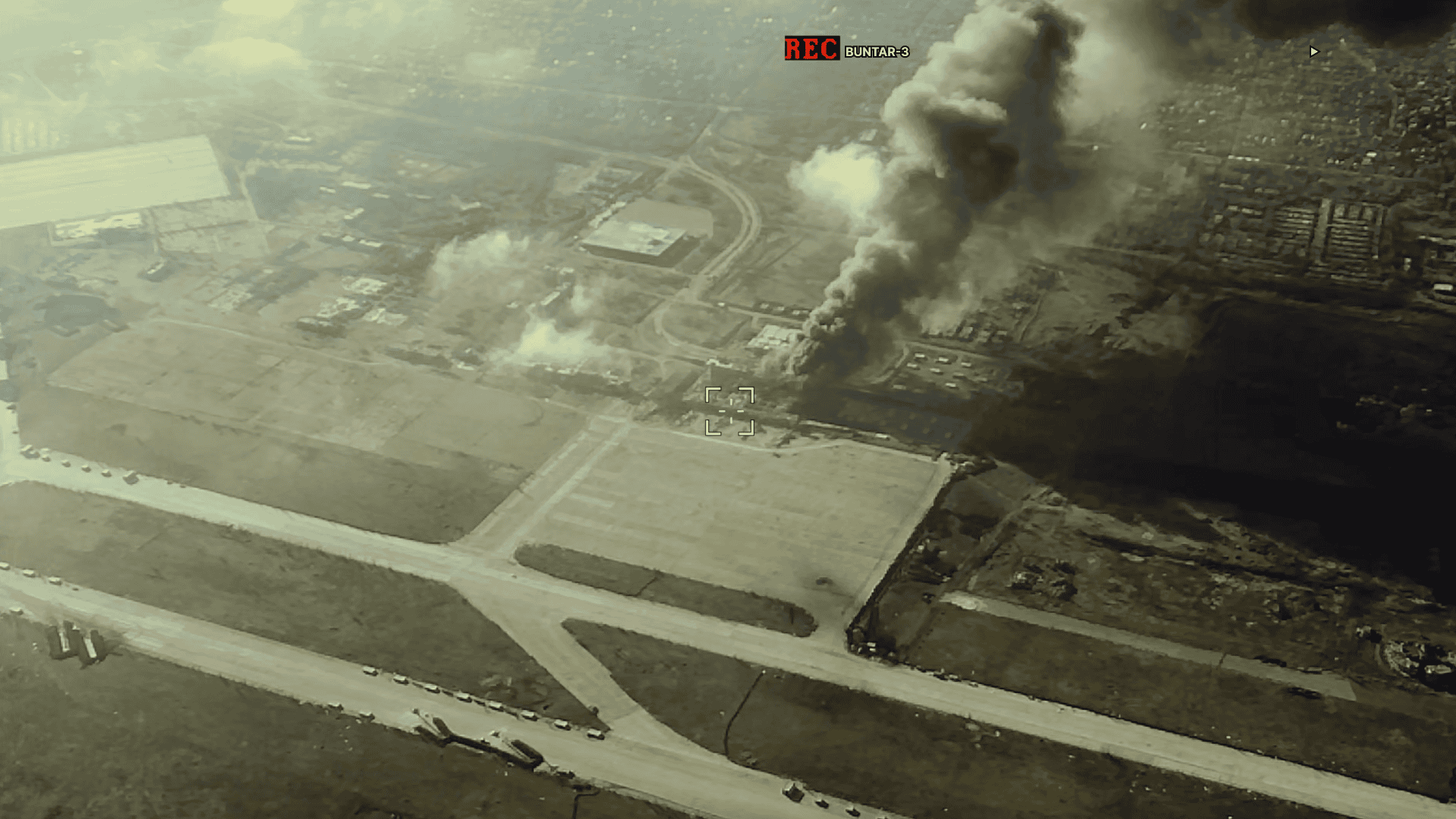
“After the occupation, the Russians protected this area with various air defense and electronic warfare systems starting in 2014. As we can see, it did not help. The rebels returned to their own way,” the company reported.
According to CyberBoroshno analysts, infrastructure had been created at Donetsk airport to support the use of Shahed- and Gerbera-type drones with remote online control to strike targets in the tactical rear of Ukrainian forces.
After Russian forces started developing the Shahed base infrastructure in August 2025, Ukraine’s Defense Forces started conducting regular strikes on the site to neutralize the threat. Large-scale strikes were reported in November and December 2025.
The Buntar-3 reconnaissance system was first publicly presented in late May 2025. At that time, it had already completed testing and received codification from Ukraine’s Ministry of Defense.
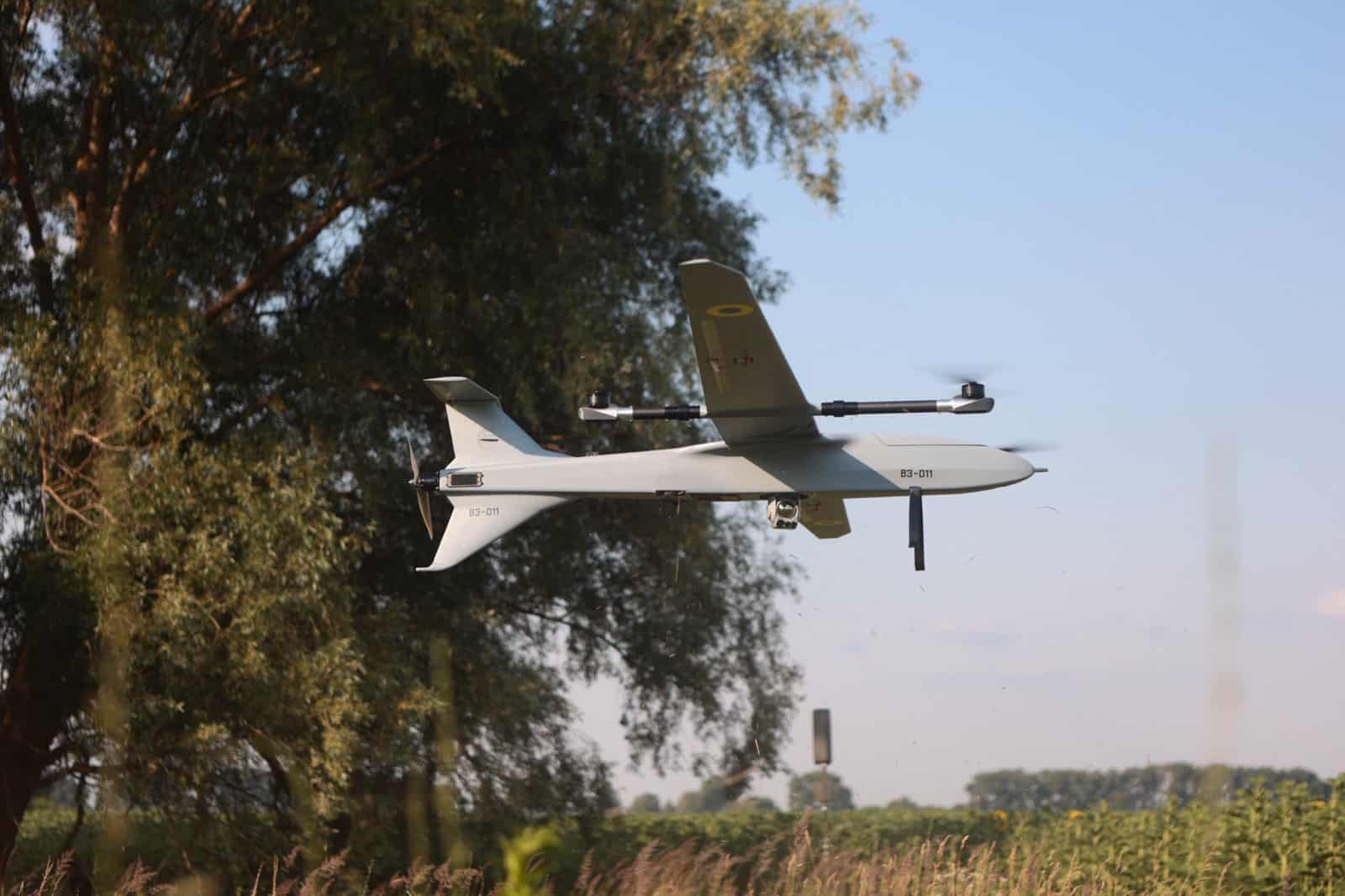
According to the developers, the Buntar-3 is an electric vertical takeoff and landing drone equipped with navigation independent of satellite systems and capable of missions lasting up to four hours, which the company describes as a record for electric VTOL platforms.
The unmanned system was designed to locate priority targets and adjust fire at operational-tactical depth, with a reliable operating range of up to 100 km. A high-resolution camera extends the effective observation distance to about 15 km.
A key feature of the system is software developed from scratch with integrated artificial intelligence elements that automate many functions and aim to reduce operator errors — one of the main causes of reconnaissance UAV losses.
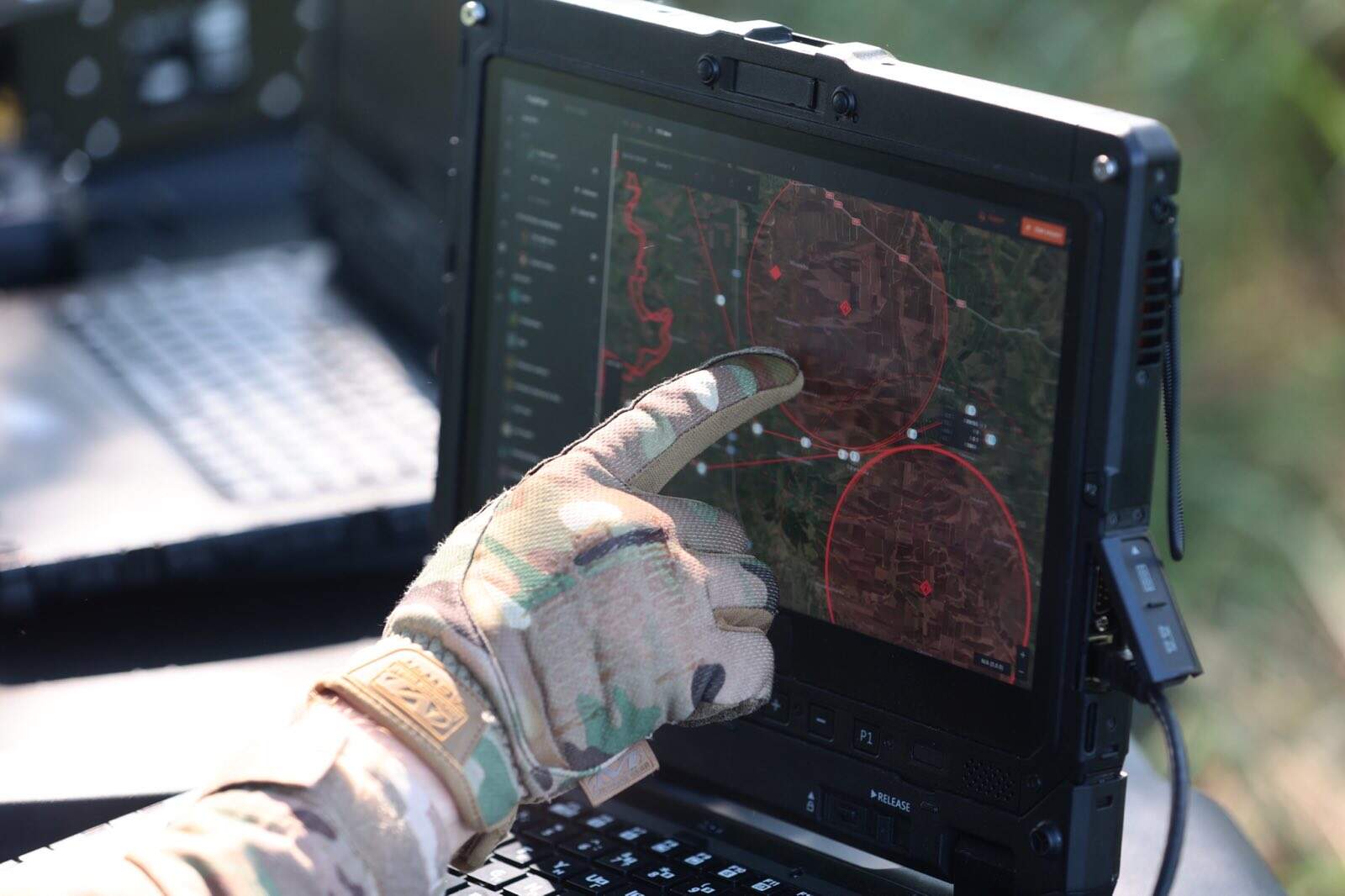
According to the developers, the integrated Copilot system can conduct full mission planning, accounting for battery life, wind conditions, altitude, and communication stability. The software can also predict the drone’s return time and calculate when to launch another aircraft to avoid gaps in surveillance of the target area.
Підтримати нас можна через:
Приват: 5169 3351 0164 7408 PayPal - [email protected] Стати нашим патроном за лінком ⬇
Subscribe to our newsletter
or on ours Telegram
Thank you!!
You are subscribed to our newsletter