
Airbus Tests Bird of Prey Unmanned Fighter Equipped with Mark I Missiles

Airbus Tests Bird of Prey Unmanned Fighter Equipped with Mark I Missiles
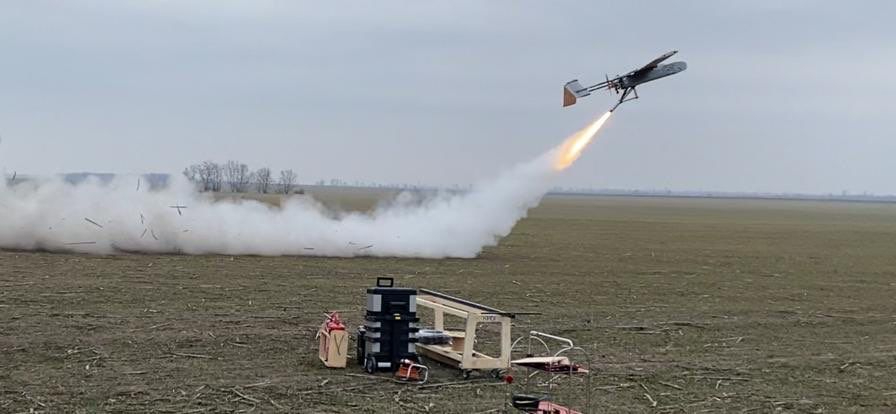
The Airbus Bird of Prey interceptor drone equipped with Mark I missiles. Photo credits: Airbus Defence and Space GmbH 2026

Airbus conducted the first flight and live-fire tests of the Bird of Prey unmanned fighter, equipped with Mark I miniature anti-aircraft missiles adapted for air launch.

This was reported by Airbus Defence and Space.

The tests took place on March 30, 2026, at a military training range in northern Germany. According to Airbus, development of the system took only nine months before the first flight.

In a scenario simulating combat conditions, the system autonomously detected, classified, and engaged the target using a Mark I guided missile from the Estonian company Frankenburg Technologies.

Airbus Defence and Space CEO Mike Schoelhorn emphasized that countering kamikaze drones is an urgent tactical necessity in the current geopolitical situation, and the new system is designed to address the existing capability gap.

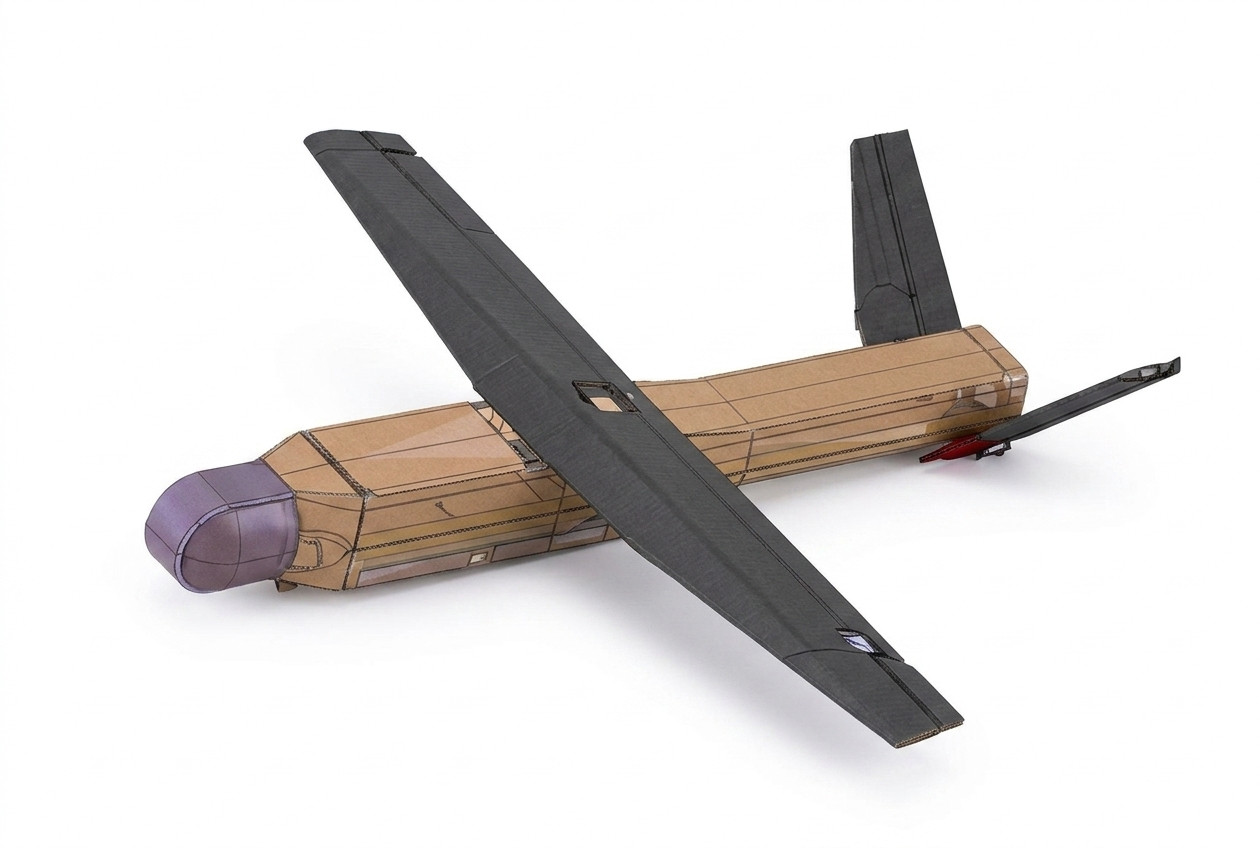
The Bird of Prey prototype is based on a modified Airbus Do-DT25 drone. It has a wingspan of 2.5 meters, a length of 3.1 meters, and a maximum takeoff weight of 160 kg.

The unmanned fighter is equipped with a jet engine and has a maximum speed of approximately 550 kilometers per hour with an operational range of 110 kilometers.

The Bird of Prey system was designed with integration into NATO’s air defense architecture in mind. It connects to the Airbus IBMS combat management system, which provides centralized control of air defense assets.

As the company noted, Airbus and Frankenburg plan to conduct additional tests with live-fire launches throughout 2026. The goal is to achieve full system readiness and subsequently demonstrate it to potential customers.

The Airbus Bird of Prey interceptor drone launches a Mark I missile. Photo credits: Airbus Defence and Space GmbH 2026

The demonstration model is equipped with four Mark I missiles, while the production version will be capable of carrying up to eight such missiles.

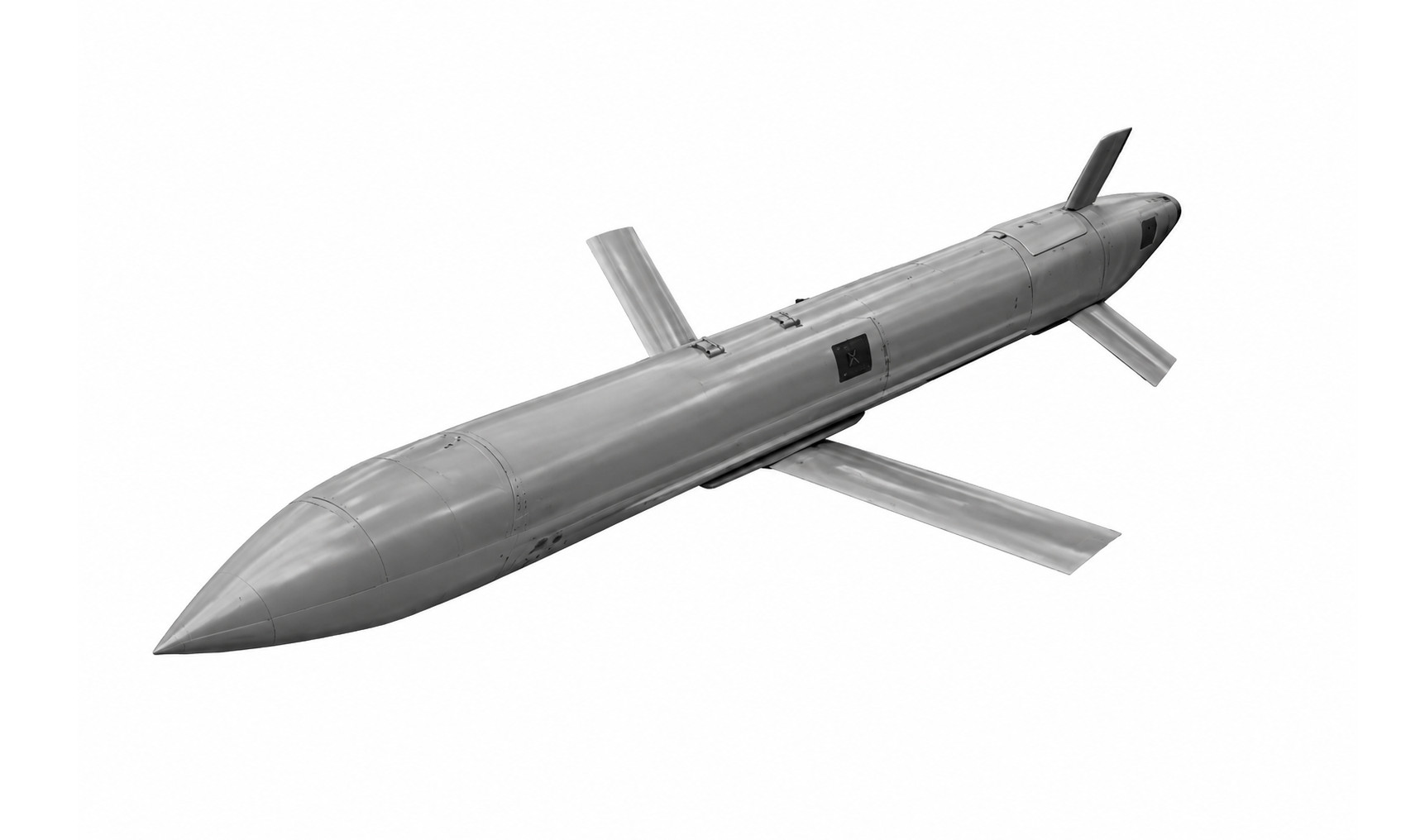
Mark I is one of the lightest anti-aircraft missiles in the world: it is 65 cm long and weighs less than 2 kg. When launched from the ground, it is capable of engaging targets at a range of up to 2 km and an altitude of about 1.5 km. When launched from the air, the flight range is likely to increase.

The missile is equipped with a modern optoelectronic homing seeker. A fragmentation warhead weighing about 500 grams is used to engage targets.

In addition to the ground-based version of the anti-aircraft system and its adaptation for use on drones, Frankenburg Technologies signed an agreement with the British company Babcock to develop a naval launch system.

Share this post:

SUPPORT MILITARNYI

PrivatBank ( Bank card )
5169 3351 0164 7408
Bank Account in UAH (IBAN)
UA043052990000026007015028783
ETH
0x6db6D0E7acCa3a5b5b09c461Ae480DF9A928d0a2
BTC
bc1qv58uev602j2twgxdtyv4z0mvly44ezq788kwsd
USDT
TMKUjnNbCN4Bv6Vvtyh7e3mnyz5QB9nu6V
Popular
Button Text