
Popular
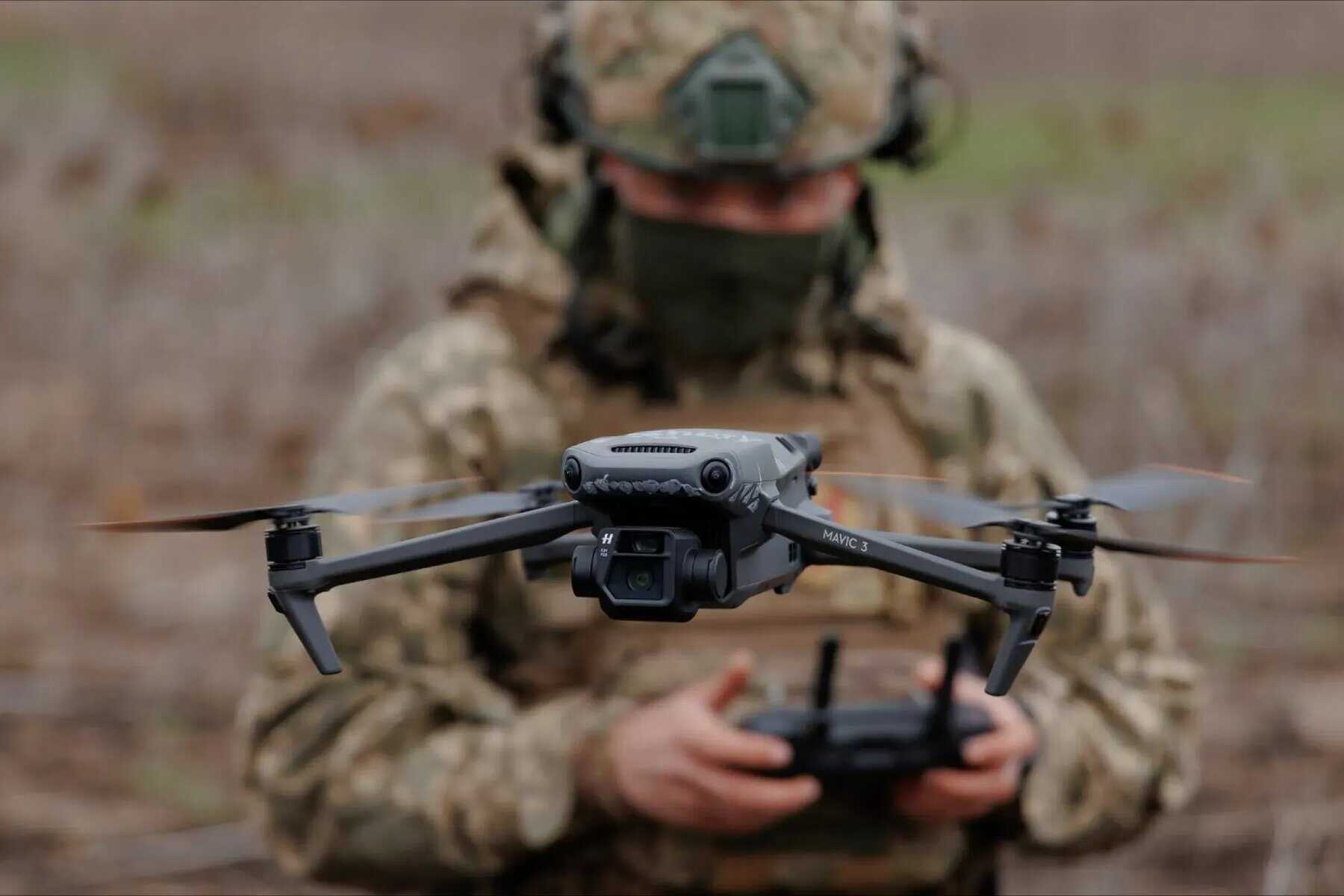
The Ukrainian company Vyriy is developing an analogue of the DJI Mavic copter-type reconnaissance drone.
The drone has been named Slavik, the company’s director, Oleksiy Babenko, shared during the Militarnyi livestream.
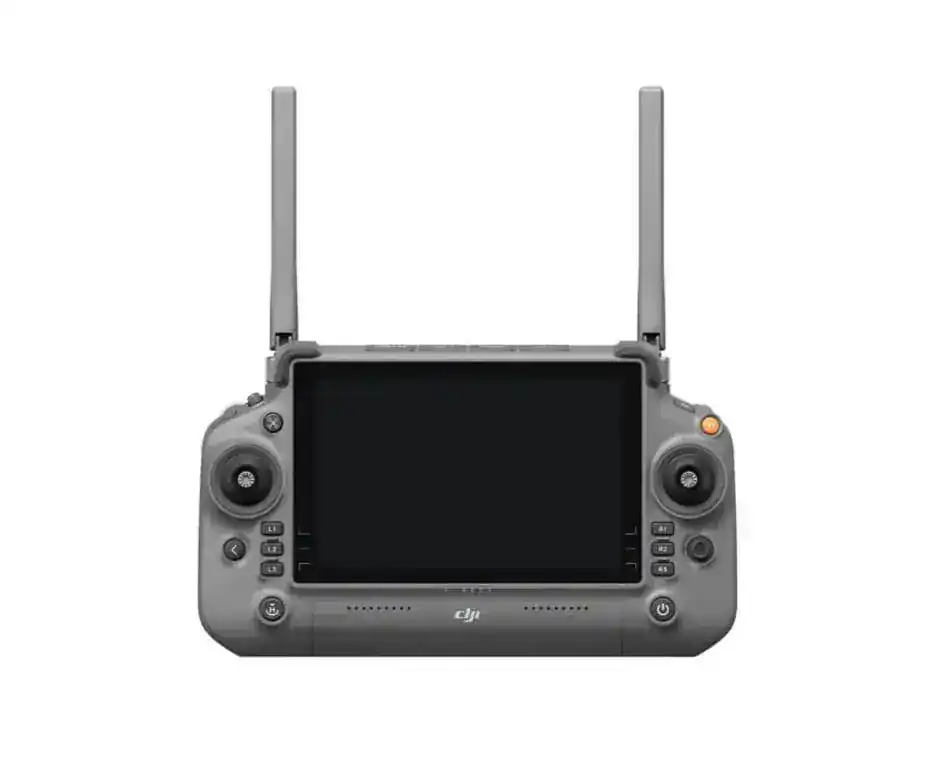
According to Babenko, the drone is already flying, can record video, uses a remote control similar to the DJI Matrice 4, has software comparable to the DJI Mavic, and includes a stabilized camera.
“It already hovers on its own and will land… in principle, all the functions are there, and it already looks good,” Babenko said.
Slavik is nearly ready, and combat testing is expected to begin next week or the following week. After that, a public presentation and the launch of mass production are planned.
The company plans to create a control panel similar to the Chinese drone and replicate the interface to make the transition easier for military operators. The drone will also include beacon-based navigation to maintain orientation during electronic warfare and return to the operator.
The Mavic does not have this function.
“It will be easier to fly than a DJI,” Babenko added.
In a later version, the Slavik will be able to capture and track targets. The daytime version of the drone is expected to cost $4,000-4,500, while the thermal imaging version will be $500–1,000 more. While the thermal imaging version is expected to compete with the Mavic, the daytime version will be slightly more expensive than the Chinese drone. A key advantage of the system is a flight time of up to two hours.
“So far, it is about 1.5 hours, but we have not optimized anything yet, so I think it will reach two hours. Two hours of flight is about four times longer than the Mavic flight time,” Babenko noted during the Militarnyi stream.
According to Babenko, Mavic operators often remain near infantry positions due to the drone’s limited endurance, making them priority targets for the enemy. The Slavik is intended to address this issue by allowing operators to remain farther from the line of combat contact.
“Reconnaissance over Bakhmut could be conducted while sitting in a café in Slavik (Slovyansk) or Krama (Kramatorsk). That’s the difference in distance,” Babenko added.
The drone also has mounts for attaching payloads, including drop mechanisms and a signal repeater. The communication range was tested at 50 km under training ground conditions and up to 30 km at the front line.
Підтримати нас можна через:
Приват: 5169 3351 0164 7408 PayPal - [email protected] Стати нашим патроном за лінком ⬇
Subscribe to our newsletter
or on ours Telegram
Thank you!!
You are subscribed to our newsletter