
Popular

Venezuela has become one of the most advanced countries in Latin America in drone production, including strike drones, through non-public cooperation with Iran, according to a report by the Miami Herald.
The long-standing ties between Caracas and Tehran have repeatedly strained relations between Venezuela and the United States, amid accusations that the Venezuelan government has allowed Hezbollah to operate on its territory.
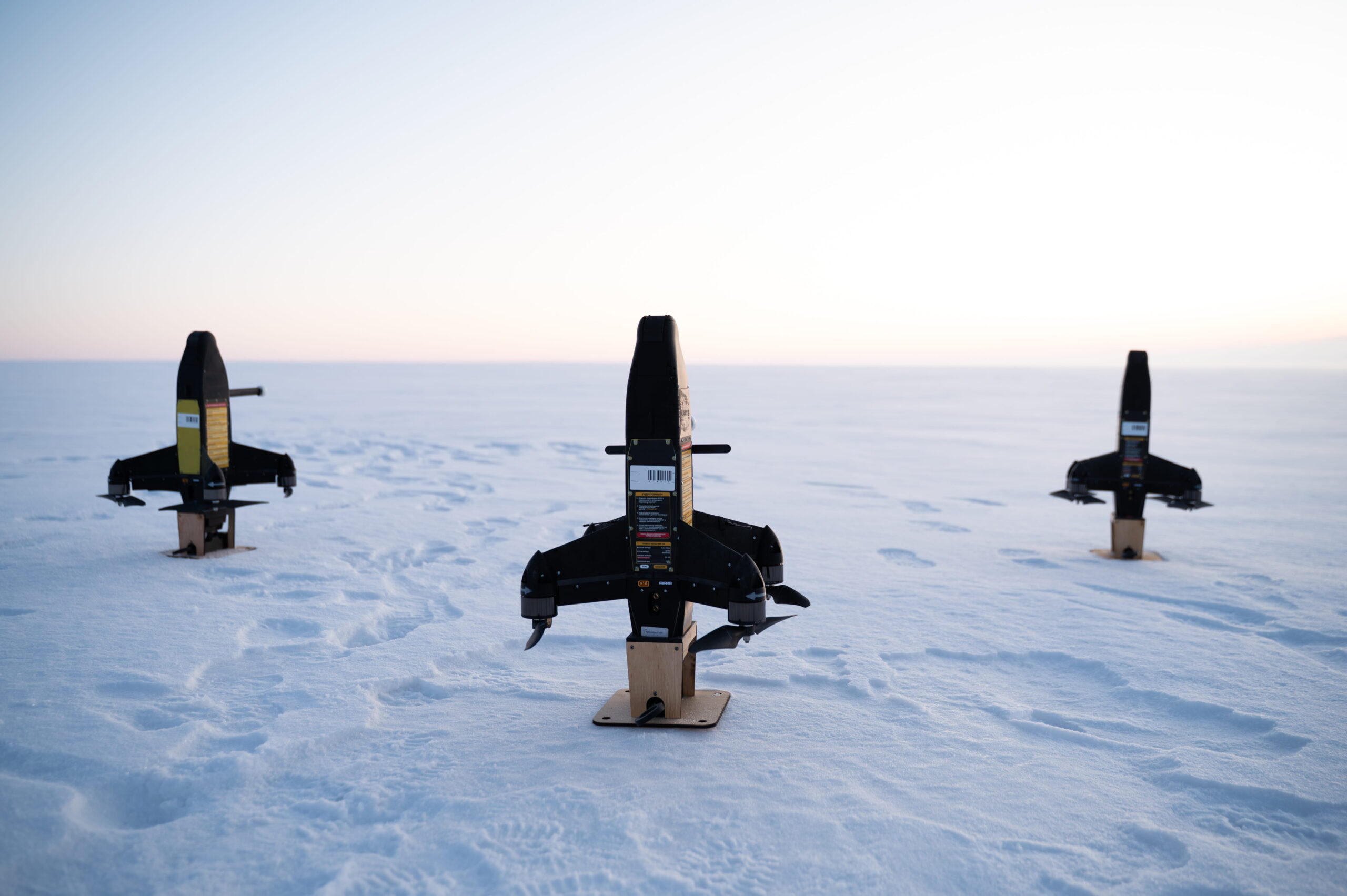
Analysts warn that Venezuela’s growing drone cooperation with Iran could turn the country into a hub for the production of Iranian kamikaze drones.
There are also concerns that President Nicolás Maduro’s government could transfer technology to other states or to criminal and paramilitary groups in the region.

The secret drone project, initiated under Hugo Chávez and expanded under Maduro, began in the 2000s with a $28 million contract and Iranian-supplied kits for assembling Mohajer-2 drones. Over time, the cooperation evolved into a full-scale UAV program.
In the early 2000s, the Venezuelan armed forces had no experience with drones. That changed in 2006, when the two countries signed a military-technical agreement for technology transfer, training, and component supplies.
The Miami Herald reviewed dozens of official Venezuelan documents and interviewed experts who said billions of dollars have been invested in the program. Many of the deals were disguised as development projects, including bicycle and tractor factories.
Iran’s Qods Aviation Industries, which produces the Mohajer-2, supplied the initial kits. Venezuelan engineers trained in Iran, while Iranian specialists worked at El Libertador Air Base in Maracay.
Local assembly began in 2009, and the Arpía-001 — a Venezuelan version of the Mohajer-2 — became the country’s first domestically built drone. Chávez presented it publicly in 2012.
The Arpía-1 weighs about 190 pounds, has a range of 60 miles and is mainly used for surveillance and reconnaissance.
The drone factory in Maracay operated intermittently due to political and economic crises. By 2013, under Maduro, only about 15 Arpías had been assembled, used mostly for border patrol and oil infrastructure monitoring. Venezuela’s 2014–2018 economic collapse stalled the project, and by 2019, leaked documents indicated only one Arpía remained operational.

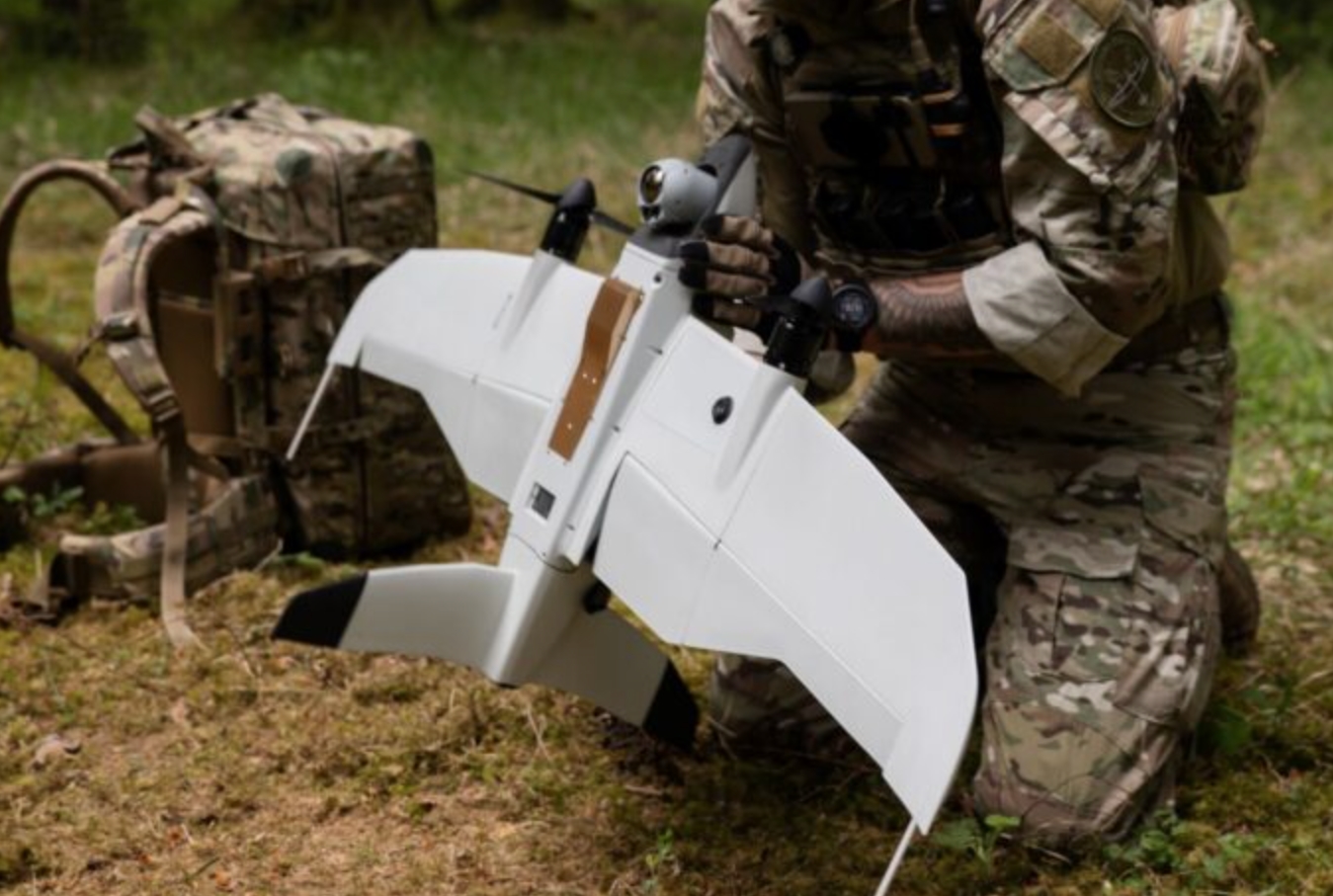
On July 5, 2022, Venezuela unveiled two new drones during a military parade: the ANSU-100, an armed version of the Arpía capable of carrying Iranian Qaem guided bombs, and the ANSU-200, a prototype “flying wing” inspired by Iranian stealth designs. With the ANSU-100, Venezuela became the first Latin American country to field strike drones.
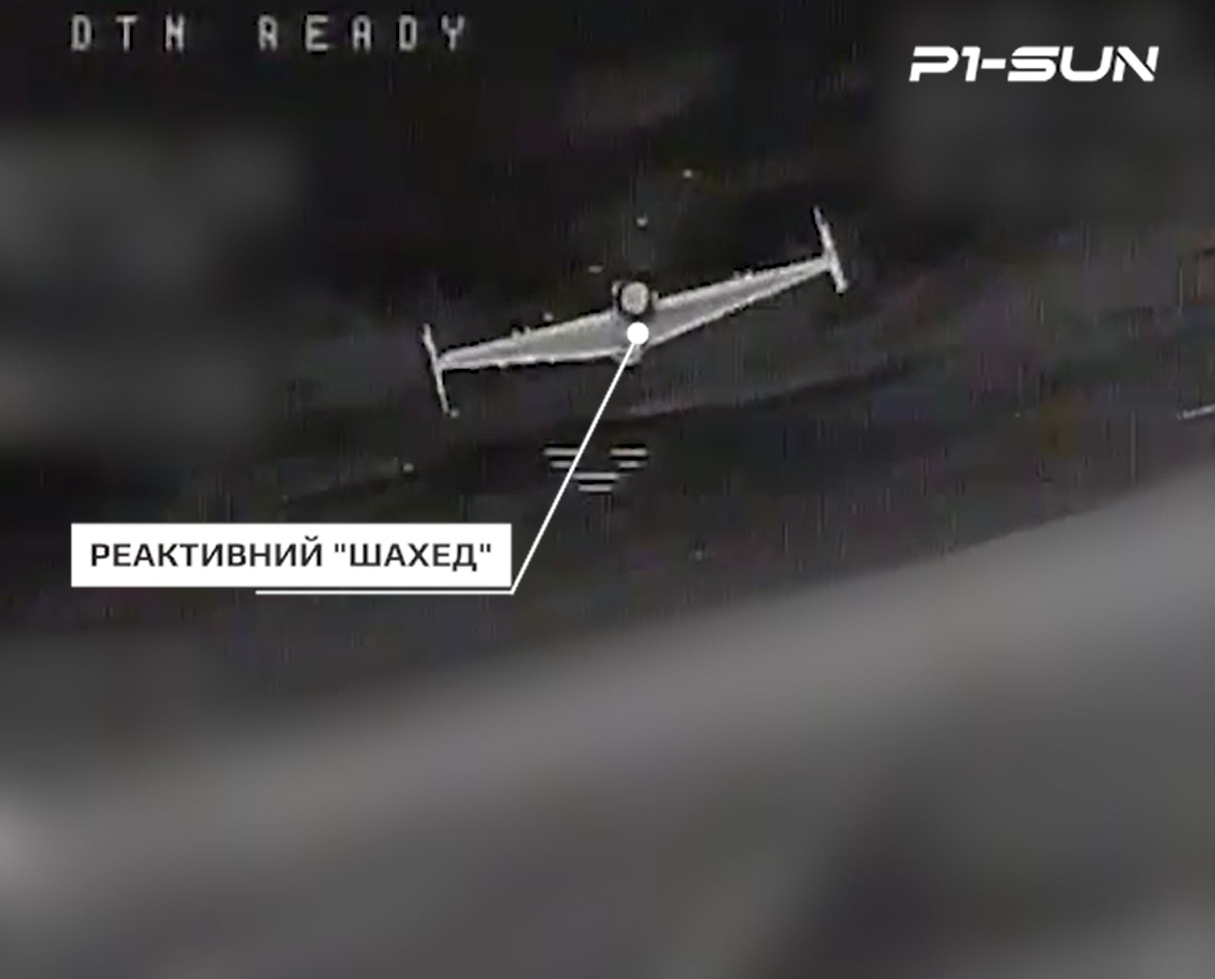
Another system, the Zamora V-1 strike drone, is believed to be a Venezuelan variant of the Iranian Shahed-131. Since 2020, Caracas has also directly purchased Iranian Mohajer-6 drones and Russian Orlan-10 reconnaissance drones.

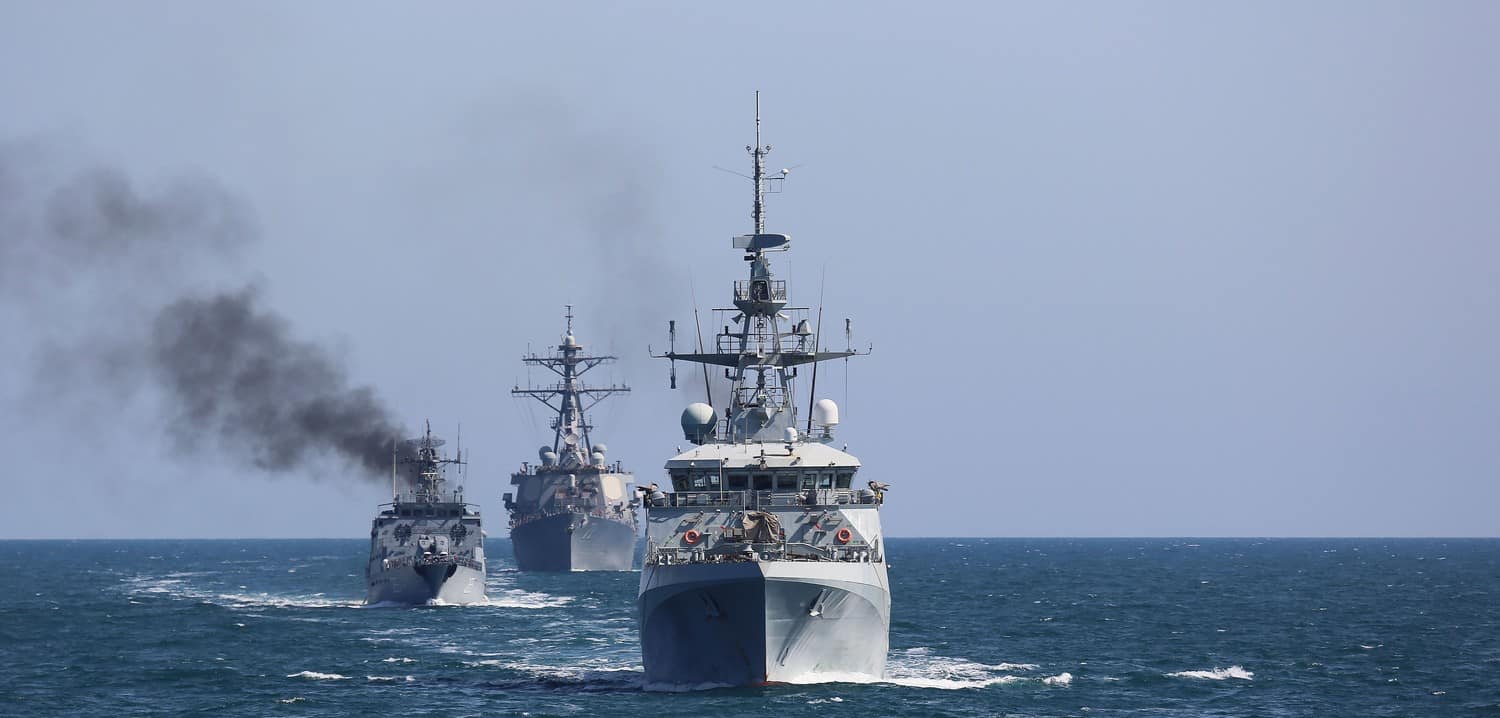
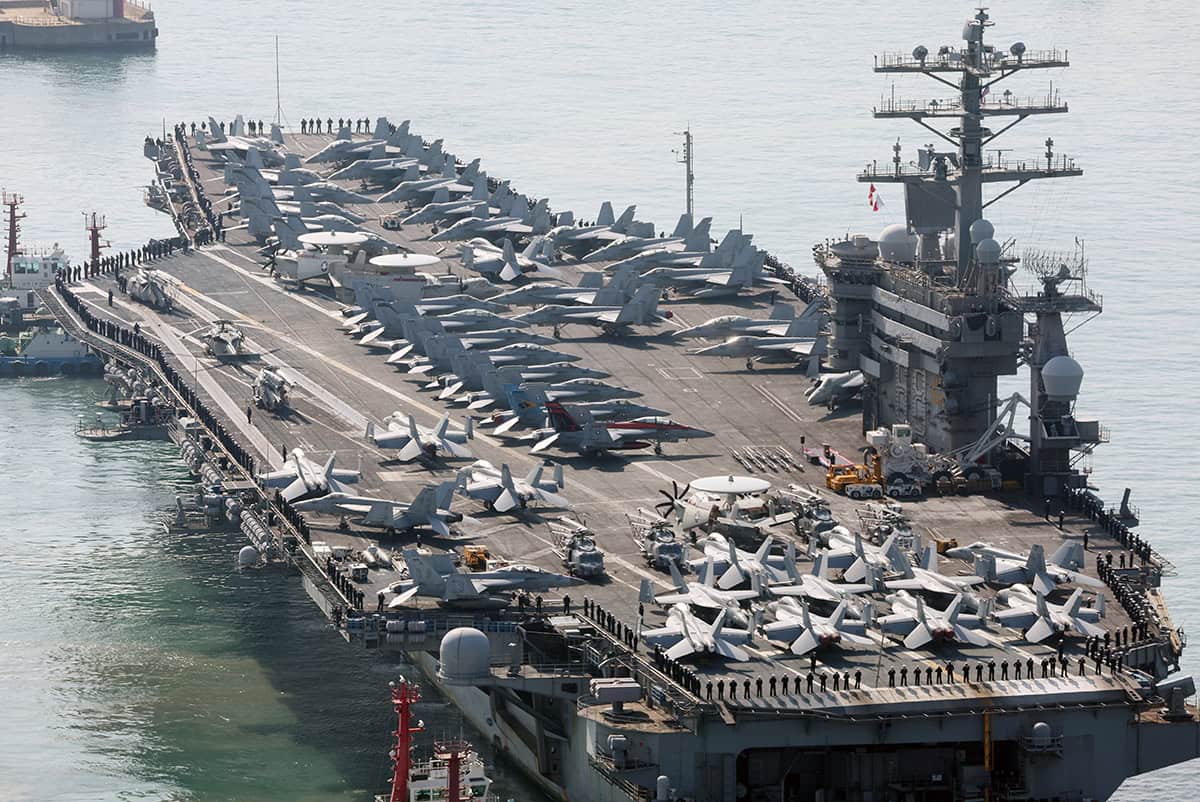
As the Trump administration deployed US Navy ships to the region in what Washington called an operation against cartels, the Maduro government announced plans to mobilize drones for self-defense.
Defense Minister Vladimir Padrino López said the deployment included “a significant number of drones for various missions, citizen support points, reconnaissance and surveillance, river patrols by the Marine Corps, and maritime patrols in Lake Maracaibo and the Gulf of Venezuela.”
Підтримати нас можна через:
Приват: 5169 3351 0164 7408 PayPal - [email protected] Стати нашим патроном за лінком ⬇
Subscribe to our newsletter
or on ours Telegram
Thank you!!
You are subscribed to our newsletter