

Popular

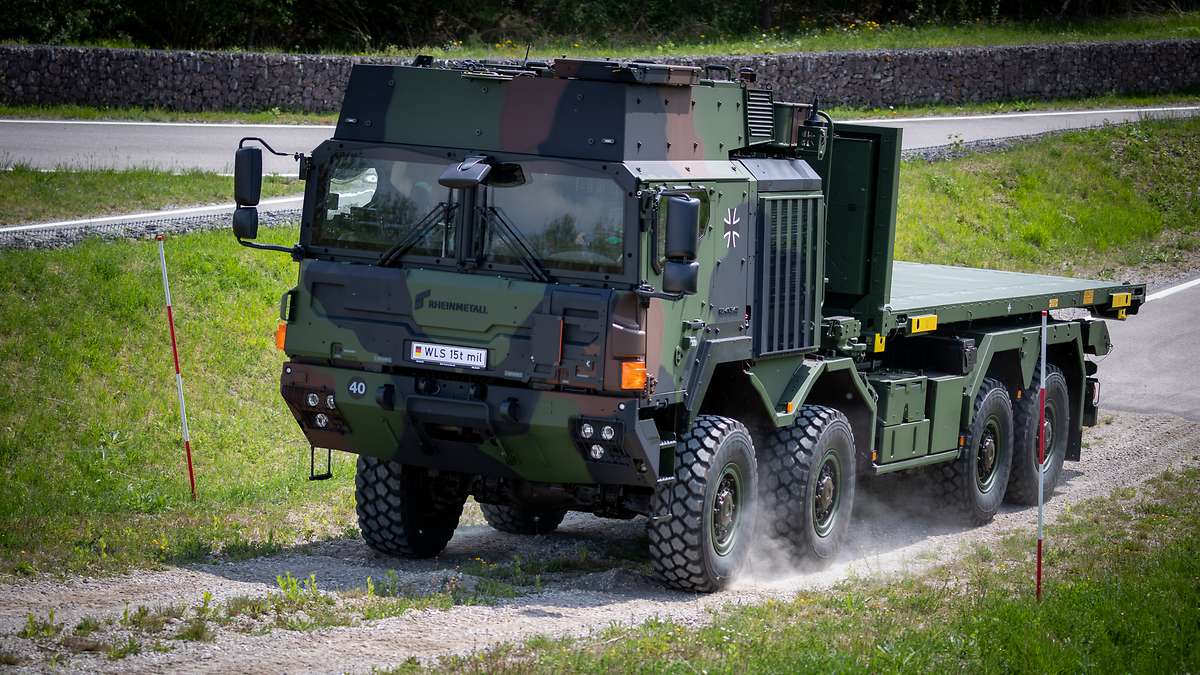
In Kassel, Germany, unknown individuals set fire to Bundeswehr service vehicles parked overnight.
FAZ reported on this.
According to preliminary findings by the criminal police, it was an intentional arson. The search for suspects, which began during the night, has so far yielded no results.
Since the possibility of a deliberate sabotage cannot be ruled out, the case has been handed over to the Ministry for State Security.
The vehicles were completely destroyed by fire. Preliminary estimates put the damage at around €150,000.
“The Bundeswehr is a part of our society. Especially in these turbulent times, everyone must recognize that it is indispensable for our security. It deserves full support and assistance. As the government of the state of Hesse, we unequivocally support the Bundeswehr and its soldiers,” emphasized the local head of law enforcement, Roman Poseck.
He emphasized that he expected a thorough investigation and punishment of those responsible.
Over the past year, German intelligence agencies have recorded a sharp increase in the activity of Russian agents. The number of espionage and sabotage operations has effectively doubled, and the nature of their actions has become more aggressive and systematic.
Moscow is employing methods reminiscent of the Cold War era, while simultaneously continuously expanding its influence tools.
Russian agents increasingly enter Germany through third countries, attempting to establish connections with individuals of Russian descent, migrants from the post-Soviet space, and people who have business or personal contacts with Russia.
Special attention is given to German military personnel and individuals with dual citizenship who visit Russia or Kremlin-allied countries. In such cases, the risk of recruitment or blackmail is considered particularly high.
There has also been a noticeable increase in sabotage activities targeting Germany’s naval forces. In recent months, there have been several deliberate damages to vessels, including incidents of cable cutting, discovery of foreign objects in engines, and toxic substances found in water systems.
These actions confirm Moscow’s intent not only to influence through its network of agents but also to cause damage to critical military infrastructure.
Thus, Russia’s hybrid activity in Germany has reached a level that poses a direct threat to the country’s security and defense capabilities. This will likely increase internal pressure on the government to strengthen counterintelligence and protect military facilities.
Підтримати нас можна через:
Приват: 5169 3351 0164 7408 PayPal - [email protected] Стати нашим патроном за лінком ⬇
Subscribe to our newsletter
or on ours Telegram
Thank you!!
You are subscribed to our newsletter