





Popular
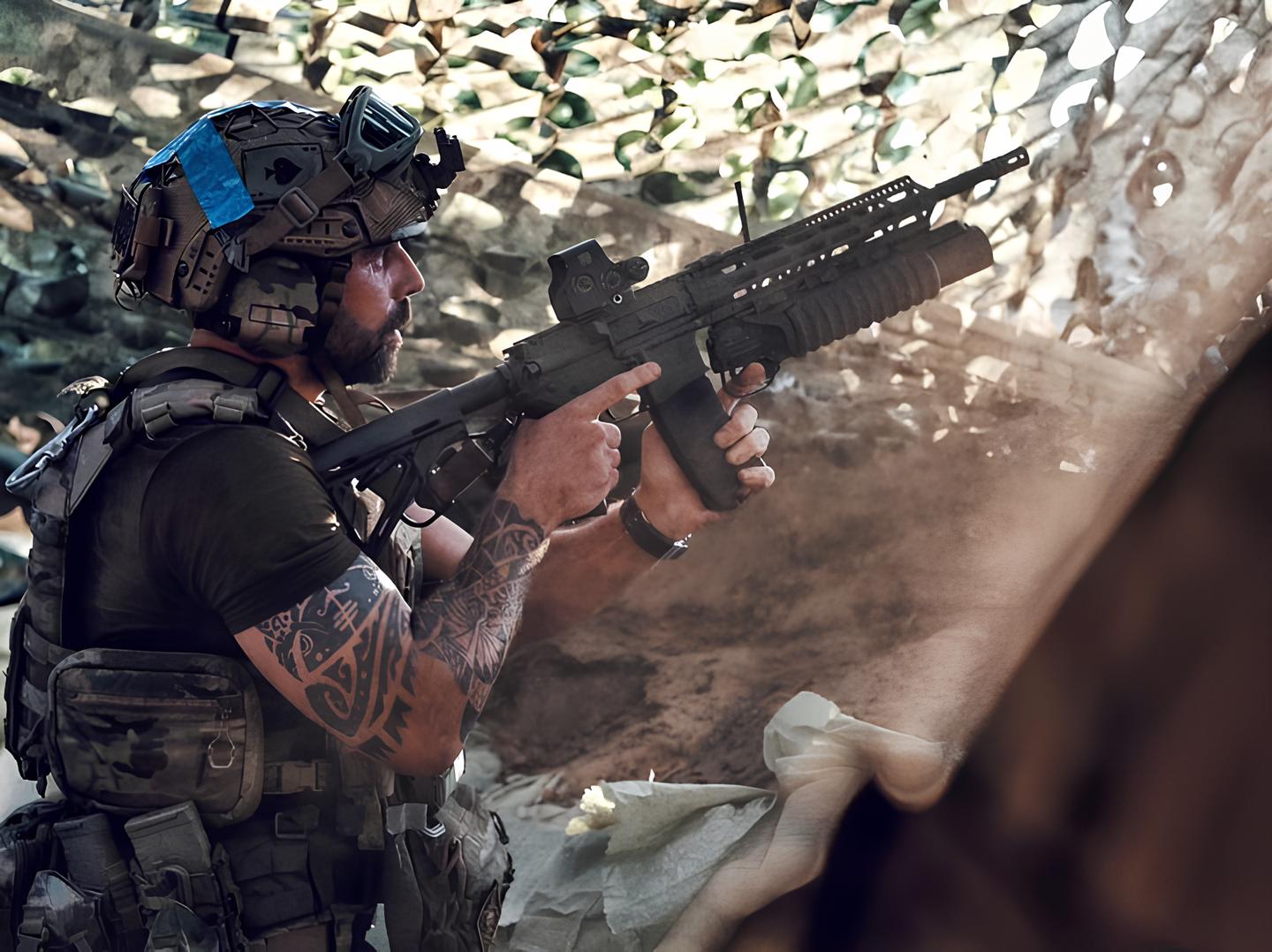
Canada abandoned plans to transfer to Ukraine firearms that are prohibited by local law and had been collected under a national program.
The Defense Post reported on this.
The decision was made after Ukrainian officials showed little interest in the initiative, and most of the firearms turned out to be unsuitable for combat use.
Gary Anandasangaree, a representative from Canada’s Minister of Public Safety office, confirmed the refusal, stating that the idea “was not a practical or effective way” to assist Ukraine in its war against Russia.
The initiative was first announced at the end of 2023, when Justin Trudeau’s government expanded the list of prohibited weapons to over 2,500 models.
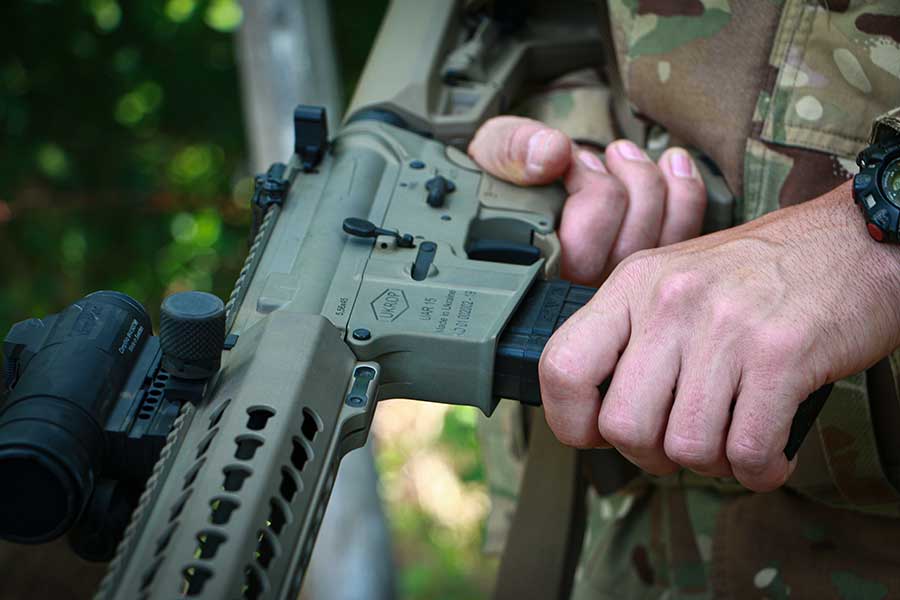
This decision was based on an earlier ban of about 1,500 models following the mass shooting in Nova Scotia in 2020. At that time, owners were required either to surrender the weapons for compensation or to have them deactivated.
Ottawa later announced its intention to cooperate with Ukrainian military officials to determine which weapons produced by Canadian manufacturers could be modified for combat needs.
Bill Blair, the then Minister of Defense, confirmed that Ukraine expressed interest in only a limited number.
However, according to Anandasangaree’s office, the “vast majority” of these weapons did not meet NATO standards and could not be used. After Mark Carney took office as Prime Minister, the government ultimately canceled the plan.
At the same time, officials emphasized that this decision does not affect the overall level of support for Ukraine.
Since the beginning of Russia’s full-scale invasion in 2022, Canada has provided assistance worth approximately CAD 22 billion ($15.8 billion), of which CAD 6.5 billion ($4.6 billion) is military aid.
In Canada, civilian weapons differ from military ones primarily in their purpose and legal status.
For civilians, only hunting shotguns, carbines, and certain types of pistols are permitted, and their use is strictly limited. They may be used for hunting or sport shooting under specifically designated conditions.
There are stringent rules for storage, transportation, and use. For example, magazines on rifles are limited to a small number of rounds, and carrying a firearm for self‑defense is effectively prohibited.
Technically, civilian legal firearms in Canada are limited by magazine capacity – generally 5 rounds for semi‑automatic rifles, 10 for pistols – and they do not have the ability to fire automatically.
Overall, the Government of Canada intended to transfer a vast assortment of weapons of various types, which would require substantial modification before they could be used in combat.
Підтримати нас можна через:
Приват: 5169 3351 0164 7408 PayPal - [email protected] Стати нашим патроном за лінком ⬇
Subscribe to our newsletter
or on ours Telegram
Thank you!!
You are subscribed to our newsletter