




Popular

The U.S. and Israeli governments are reportedly unhappy with Japan’s involvement in the GCAP sixth-generation fighter development program, led jointly by the United Kingdom, Italy and Japan.
This is reported by the Infodefensa with reference to Intelligence Online.
According to Infodefensa, Washington is pressuring Tokyo through diplomatic and economic channels — including potential threats to bilateral security cooperation — over Japan’s participation in the program.
The United States is said to be concerned about the level of autonomy Japan would gain through GCAP. Since the end of World War II, Japan has relied heavily on American designs and technology for its defense aviation. But in 2020, Tokyo broke from that tradition by launching its own F-X program to replace its F-2 fighters, a derivative of the U.S. F-16C.
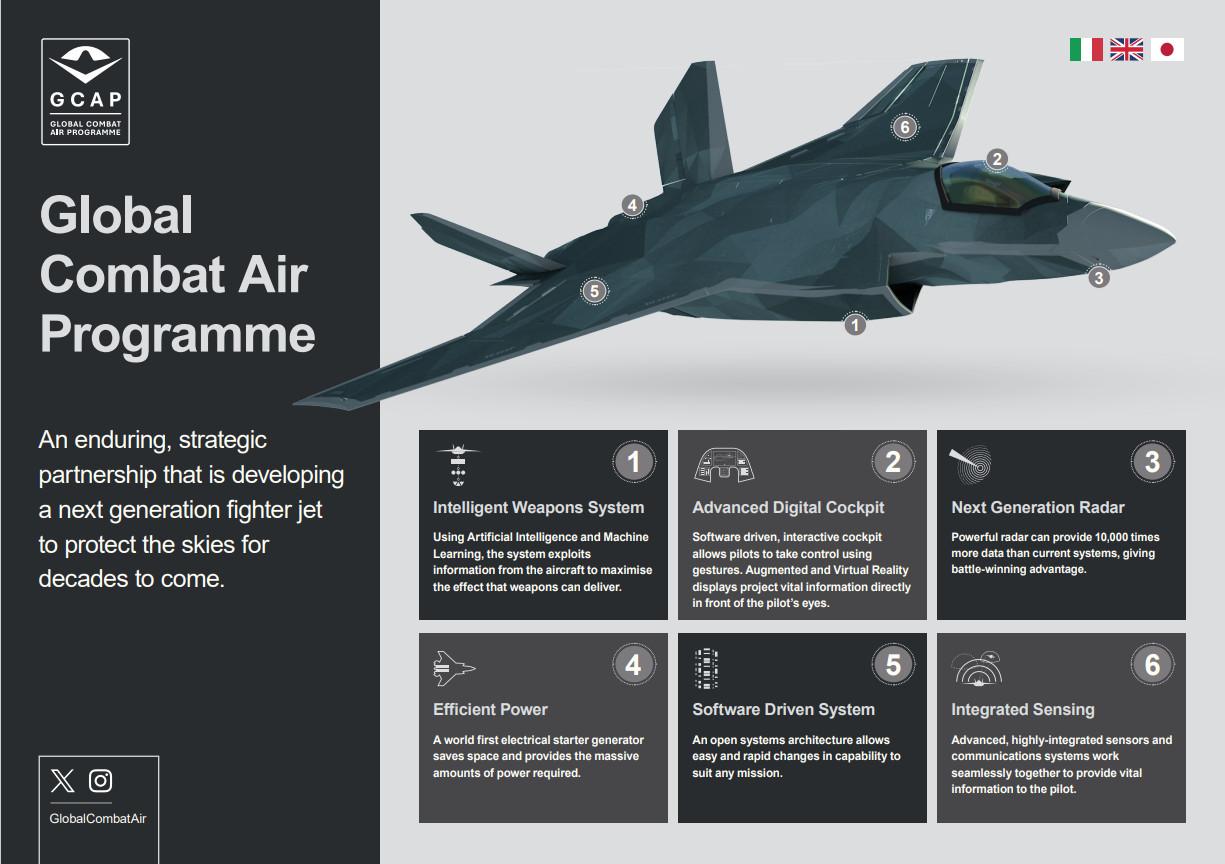
In November 2022, Japan reached an agreement with the UK and Italy to merge its efforts with the British Tempest program, forming the Global Combat Air Program (GCAP). The program aims to produce a sixth-generation fighter jet by 2035.
Israeli intelligence services have also reportedly sought to influence the program over concerns that Saudi Arabia may eventually join.
Riyadh signed a declaration of intent to participate in March 2023. In November 2024, Italy’s foreign minister acknowledged the possibility of Saudi involvement.
While sources cited by Intelligence Online did not detail Israel’s actions, the report suggests pressure is being applied amid geopolitical sensitivities.
Meanwhile, GCAP partners are seeking to capitalize on divisions with the United States, including tensions triggered by former President Donald Trump’s confrontational approach to allies. Canada and Portugal were reportedly briefed on GCAP after their defense ministries said they were exploring alternatives to the planned procurement of American F-35 fighters.
GCAP (Global Combat Air Program) is a trilateral initiative by the UK, Italy and Japan to jointly develop a sixth-generation combat aircraft. While the airframe will be common, each country is expected to equip the aircraft with different radar, sensors, weapons, and mission systems.
The program merges the UK’s Tempest project, Italy’s efforts centered around Leonardo, and Japan’s F-X initiative. Key industrial partners include BAE Systems (UK), Leonardo (Italy), and Mitsubishi Heavy Industries (Japan). Engine development is being led by Rolls-Royce, Japan’s IHI Corporation, and other leading manufacturers.
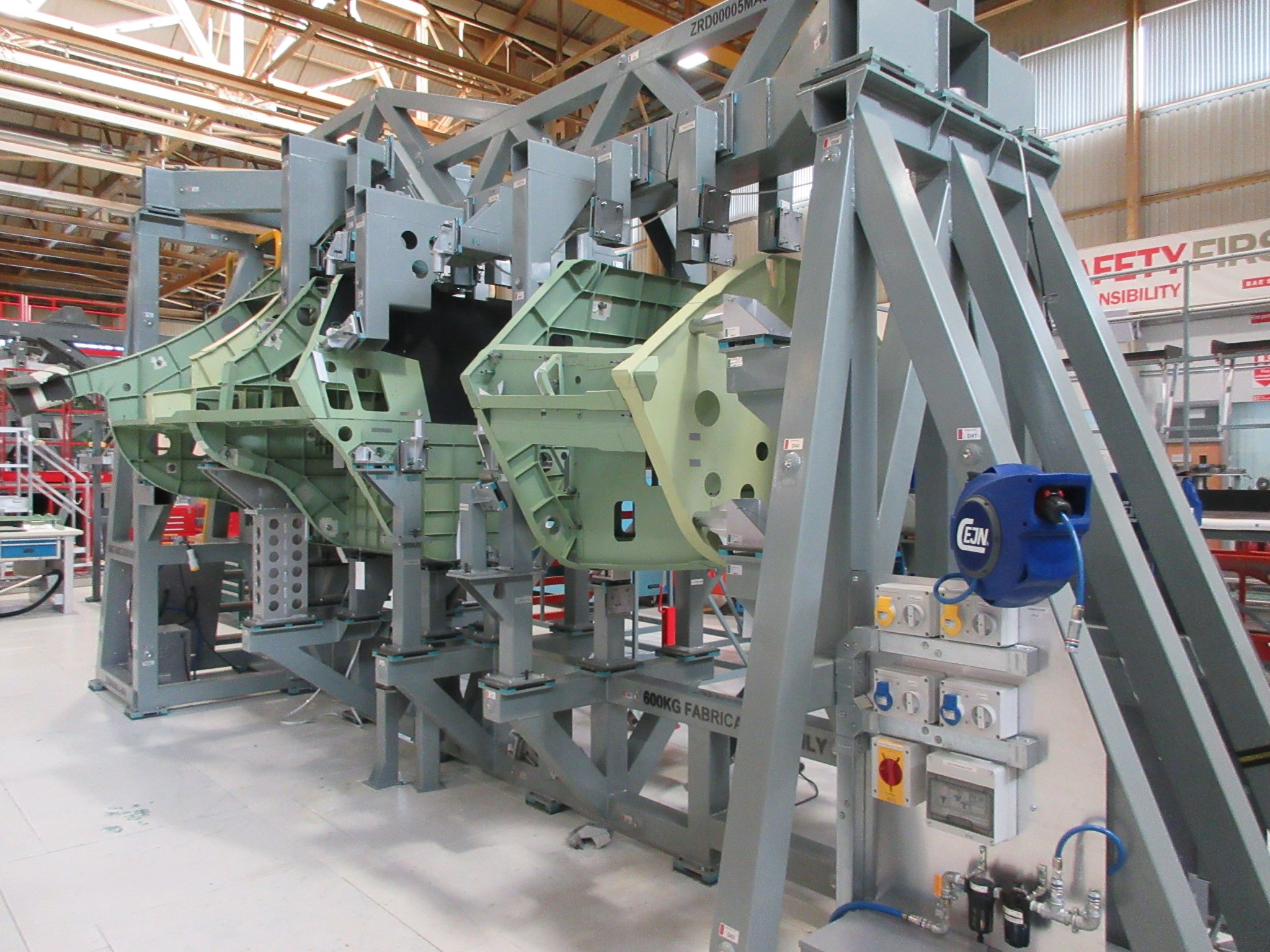
In July 2024, BAE Systems began assembly of the first Tempest prototype, with completion expected by 2026. The aircraft design has been approved by both BAE and the UK Royal Air Force. The first flight is scheduled for 2027.
Підтримати нас можна через:
Приват: 5169 3351 0164 7408 PayPal - [email protected] Стати нашим патроном за лінком ⬇
Subscribe to our newsletter
or on ours Telegram
Thank you!!
You are subscribed to our newsletter