




Popular
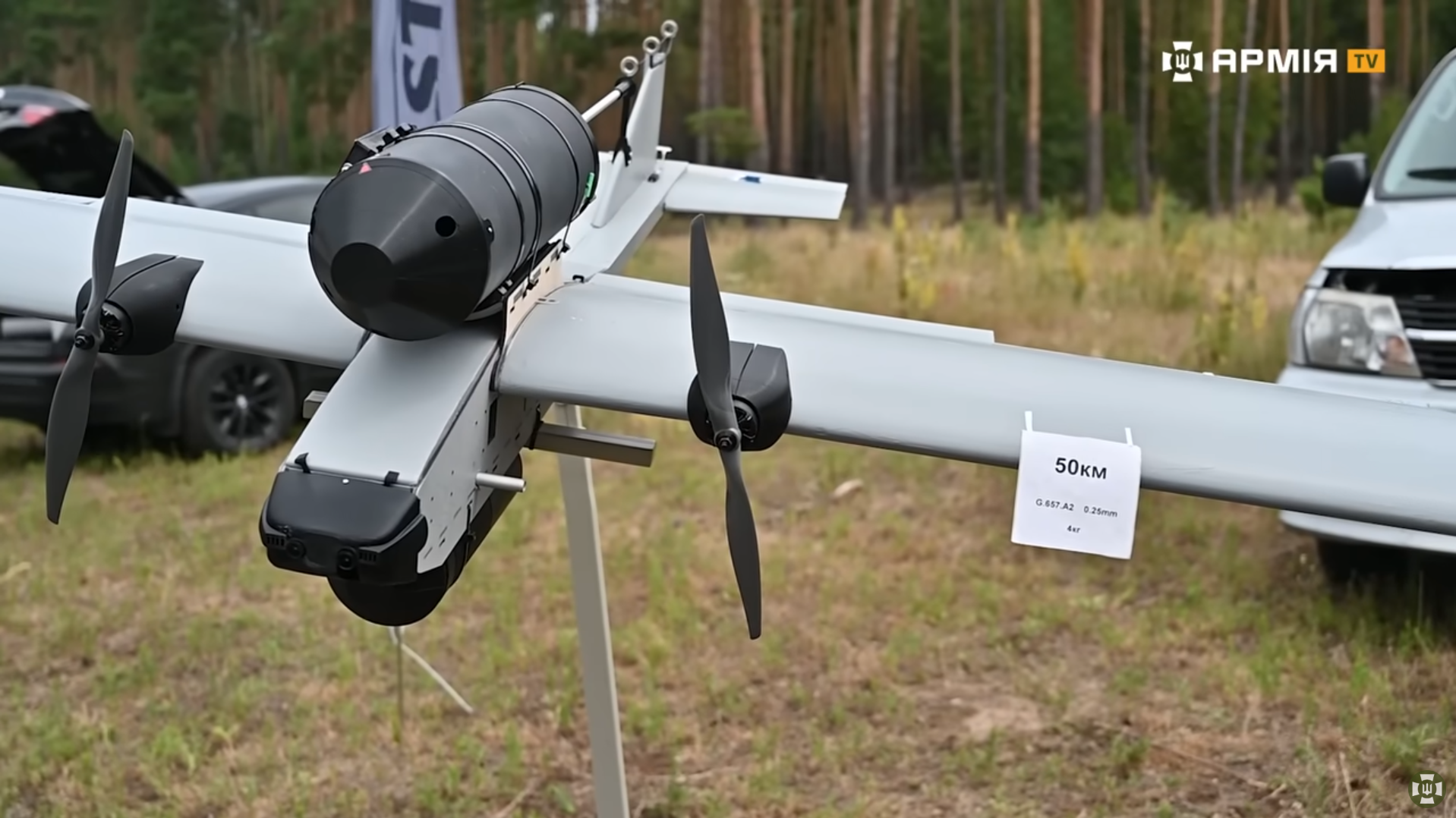
Due to a sharp increase in fiber-optic prices driven by Chinese suppliers, a Starlink satellite terminal has become cheaper than a coil of fiber-optic cable several dozen kilometers long used to control strike drones.
Oleksiy Babenko, the company’s director, shared this during a livestream on Militarnyi.
According to him, the use of fiber-optic control for strike drones with a range of several dozen kilometers has become less economically viable.
“Well, now let’s talk about fiber-optic cable and the prospects for increasing the number of coils… Here’s the situation with fiber-optic cable: Starlink costs about UAH 18,000. A fiber-optic coil for 35 km at new prices… Let’s calculate: it’s about $20 multiplied by 35 km — that’s $700. Just for the fiber itself, without labor or anything else, that’s about UAH 30,000. It’s cheaper to install Starlink and not bother. You could even fly it from a café in Kyiv,” he said.
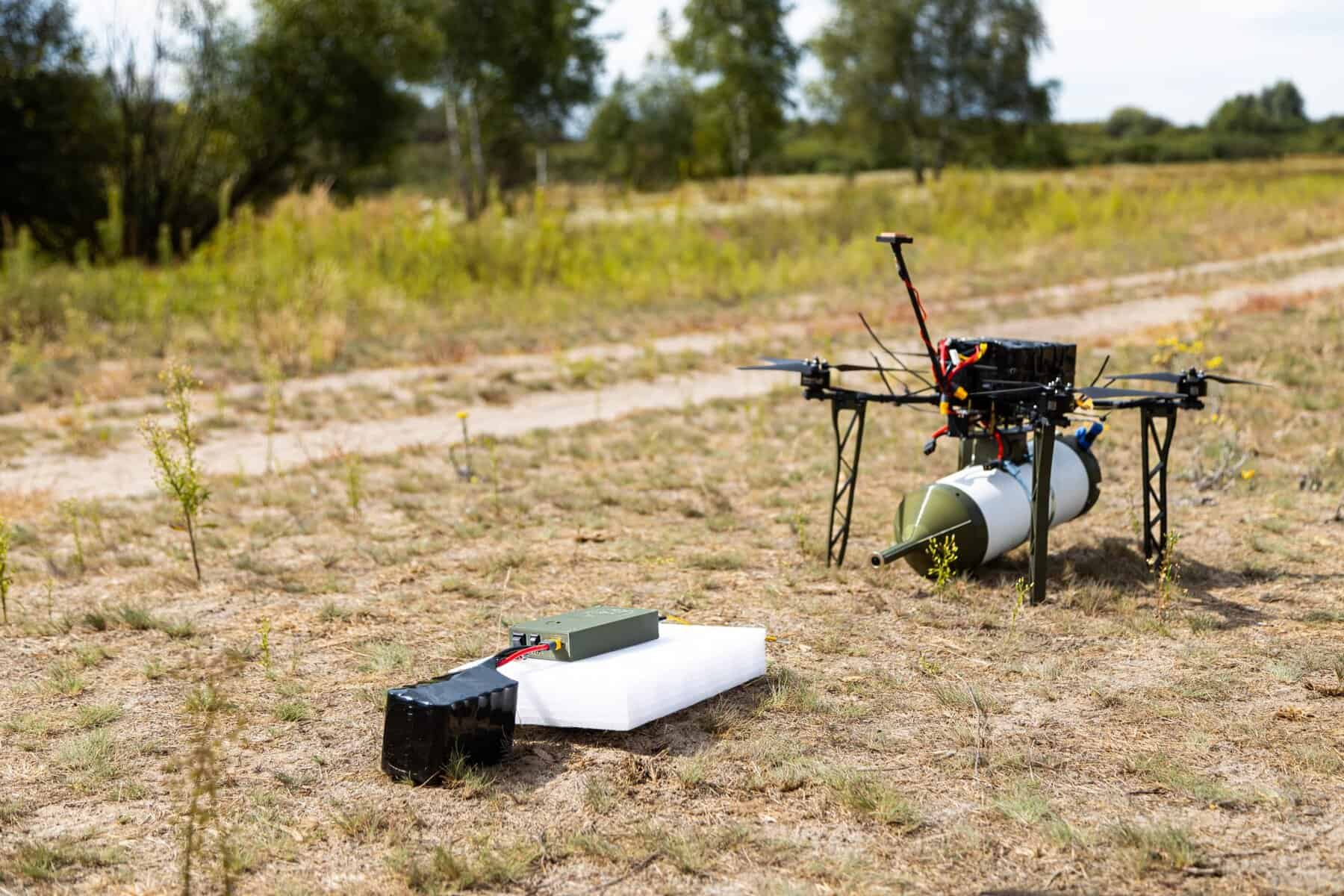
In early 2026, Chinese suppliers began sharply increasing prices for fiber-optic equipment. More than 60% of global optical fiber production is located in China.
Prices rose from about $4-5 per kilometer to $20, and sometimes even $30. As a result, drone manufacturers have been forced to fulfill previously signed contracts at a loss. Both Ukrainian and Russian suppliers have faced the problem.
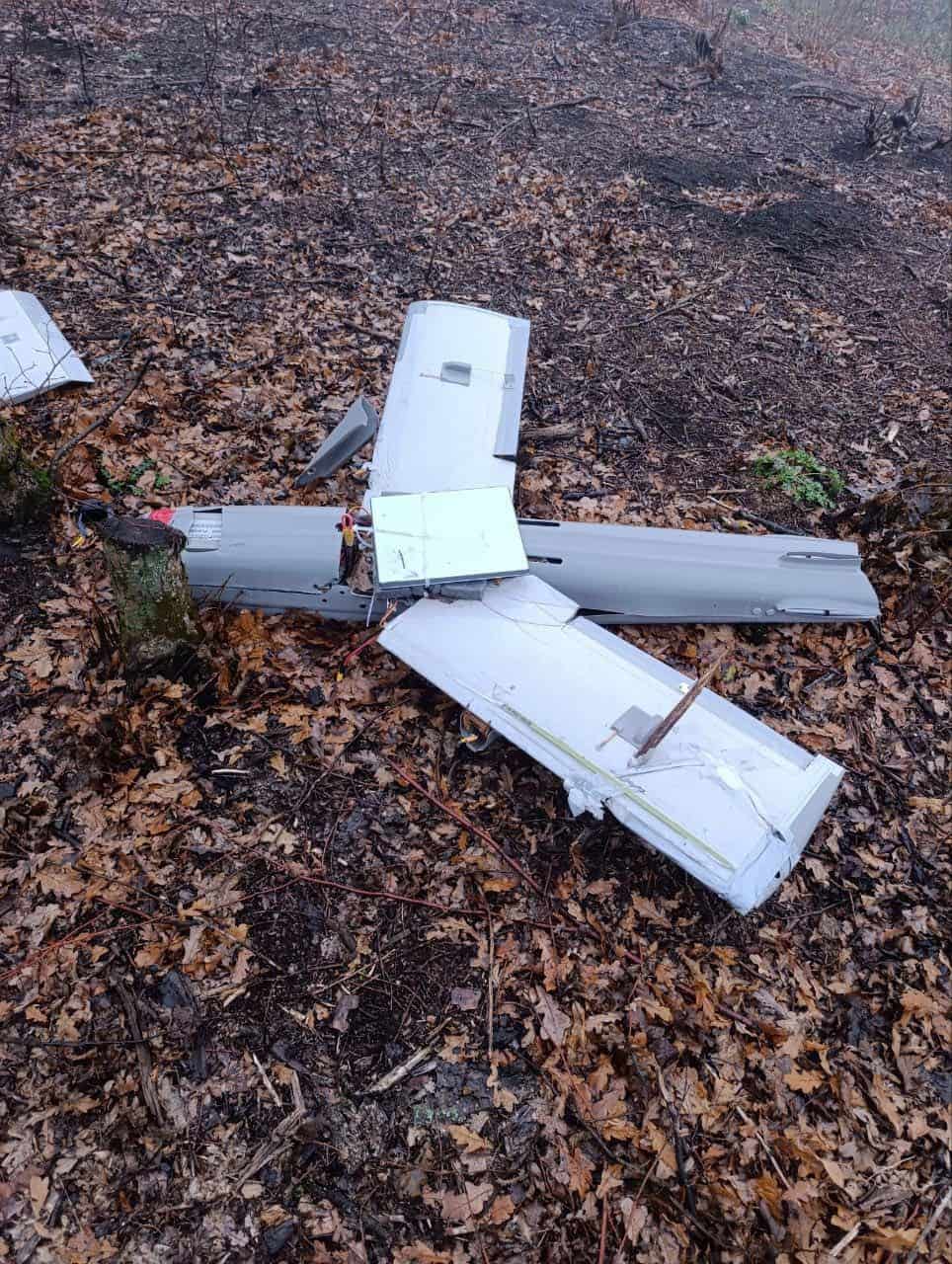
An additional surge in demand in 2025 was driven by the use of fiber-optic cables in FPV drones with control lines up to 50 km long, as well as by the rapid expansion of data centers for artificial intelligence workloads.
In 2025, Russia consumed about 10.5% of global fiber-optic production — nearly 60 million km — while previously its share did not exceed 1%.
In AI infrastructure, connections between servers with graphics processors are typically made via optical links, and large clusters require tens of thousands or even millions of kilometers of cable.
According to industry estimates, market pressure may persist until at least 2027. Amid shortages, suppliers have shifted to 100% prepayment, while the cost of raw materials continues to rise sharply.

Russia’s only fiber-optic plant has not yet resumed operations after strikes by Ukrainian drones in April-May 2025.
Before the attacks, annual optical fiber production there was about 4 million kilometers, supplying roughly two dozen Russian factories that manufacture fiber-optic cables.
Підтримати нас можна через:
Приват: 5169 3351 0164 7408 PayPal - [email protected] Стати нашим патроном за лінком ⬇
Subscribe to our newsletter
or on ours Telegram
Thank you!!
You are subscribed to our newsletter