


Popular
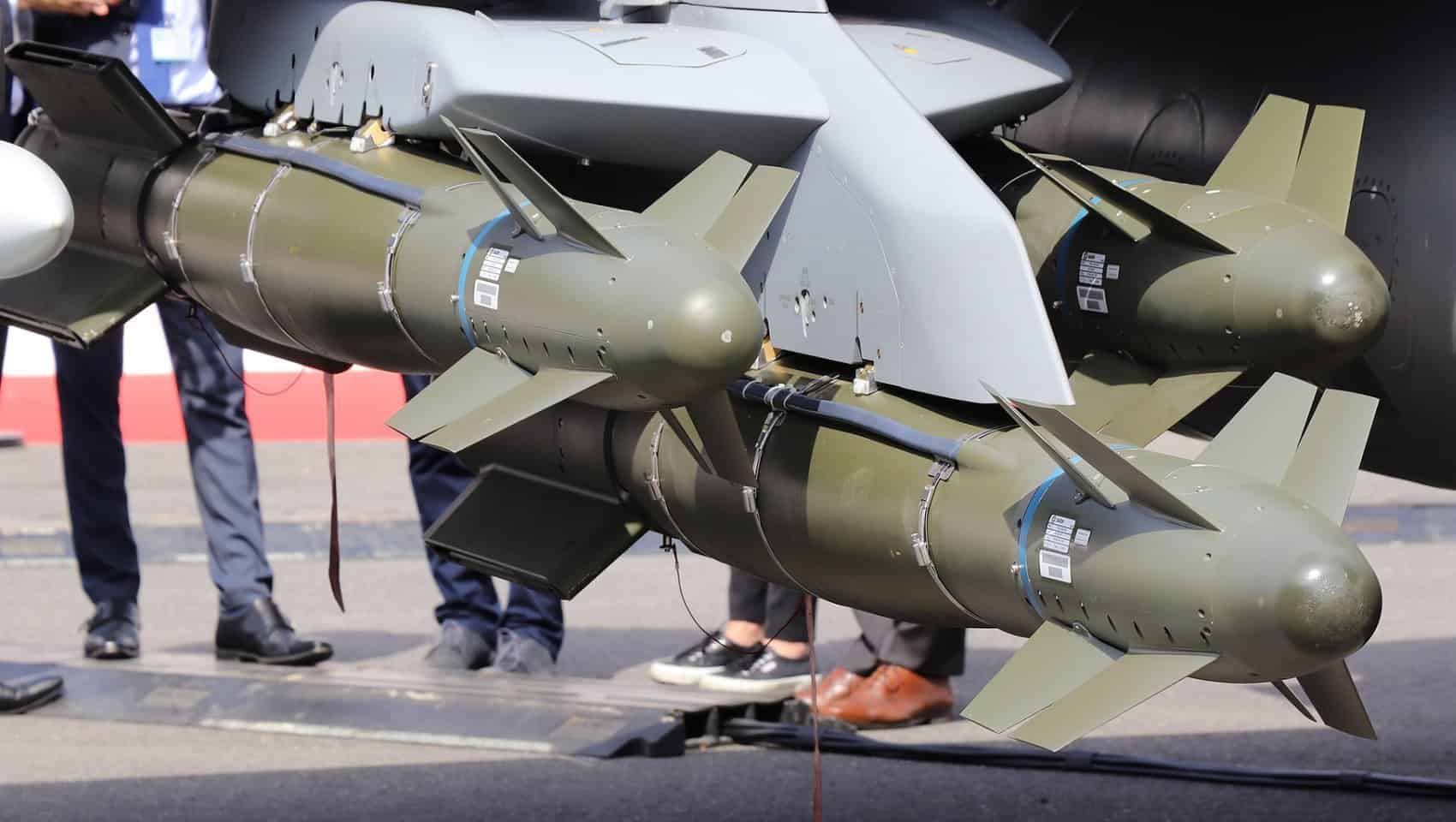
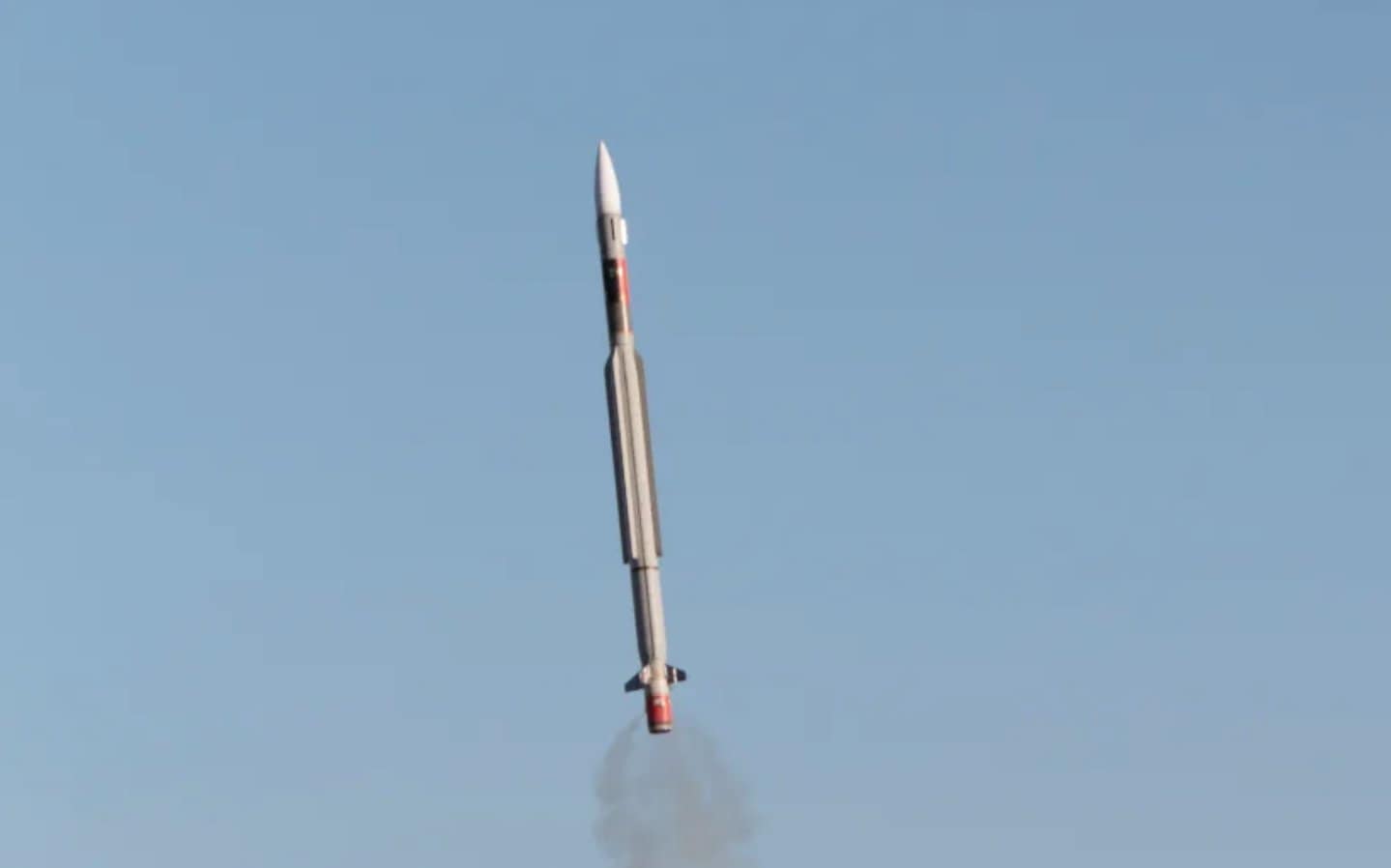
Safran has tested a new version of its AASM LIR precision-guided rocket-assisted bomb.
Opex360 reported this news.
The new version of the munition is equipped with a combined dual-mode laser and infrared seeker.
To date, the company has reported three successful test firings. This has allowed the product to complete qualification tests and move to the stage of preparation for serial production.
“These three successful firings complete the qualification campaign for the new version of AASM, which should become available to the armed forces next year,” Safran announced.
The development of this version reflects the widespread use of electronic warfare (EW) systems, as seen in combat operations in Ukraine.
General Engineer of Armaments (IGA) Arvind Badrinath noted that the new seeker was added alongside inertial navigation and GPS to improve the AASM’s resistance to interference.
“This will make it a more versatile weapon, offering multiple engagement modes in a single system for greater operational flexibility,” he said.
At the same time, the company is scaling up and accelerating production of these precision-guidance kits to meet demand from domestic forces, Ukraine, and other export customers, where the systems are integrated into Rafale fighter armament.
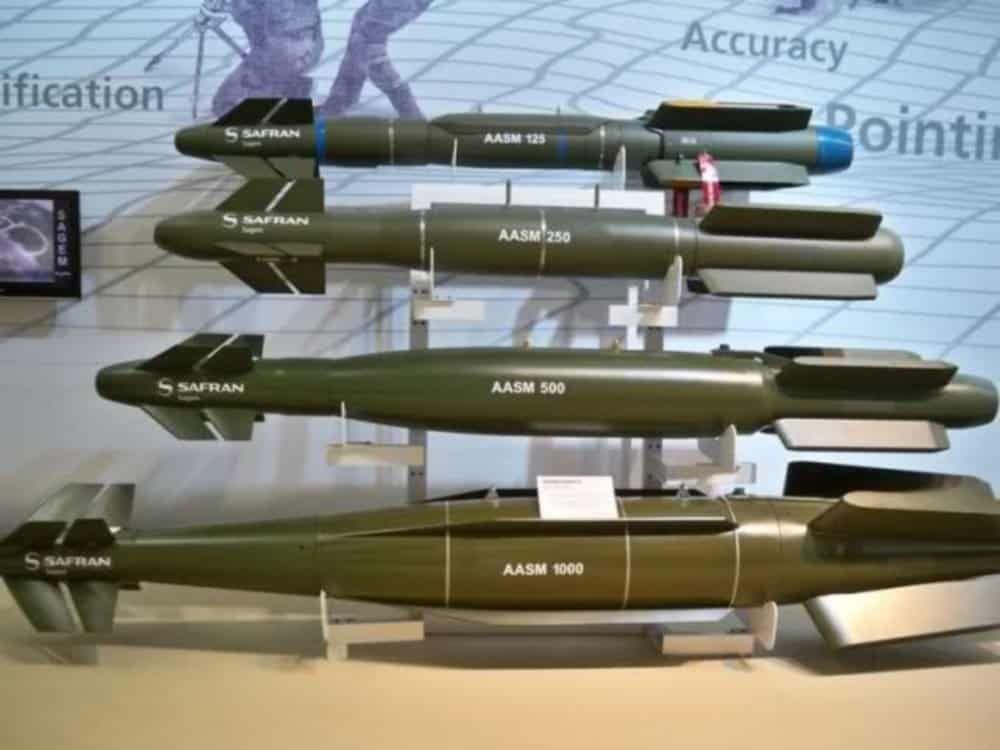
AASM guidance kits are a relatively unique product. Their development was driven by the need to operate in dense air defense environments, where pilots required the ability to strike from low altitude to improve survivability.
For this reason, the bomb, in addition to its guidance system, is equipped with a rocket motor. This allows it to gain altitude autonomously and adjust its trajectory toward the target. Depending on launch conditions, the range is from about 15 km (low altitude) to 70 km (high altitude).
The manufacturer offers kits with three seeker options:
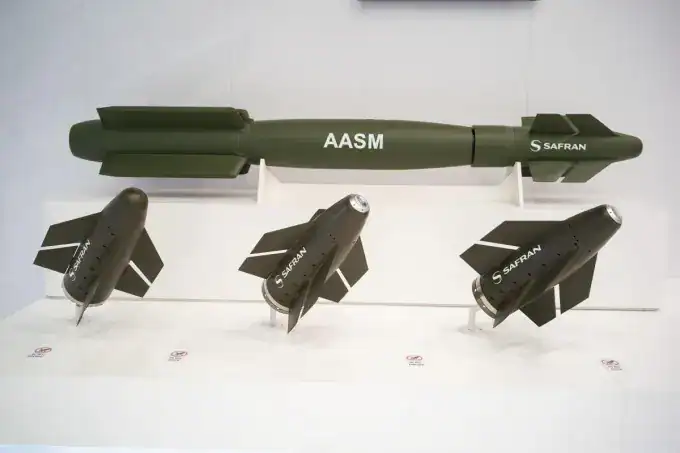
In addition, in June 2025, Safran introduced an upgraded version of the kit — the AASM Hammer XLR — with extended range.
According to available information, this increased the maximum range from 70 km to 150–200 km when launched from high altitude.
Like the base version, the AASM XLR is offered in two calibers — 250 kg and 1,000 kg. The guidance section is also available in three configurations: INS/GPS only, or with additional laser or infrared guidance.
Підтримати нас можна через:
Приват: 5169 3351 0164 7408 PayPal - [email protected] Стати нашим патроном за лінком ⬇
Subscribe to our newsletter
or on ours Telegram
Thank you!!
You are subscribed to our newsletter