


Popular

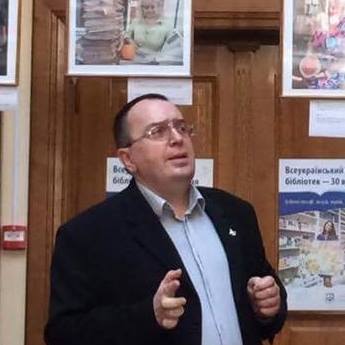
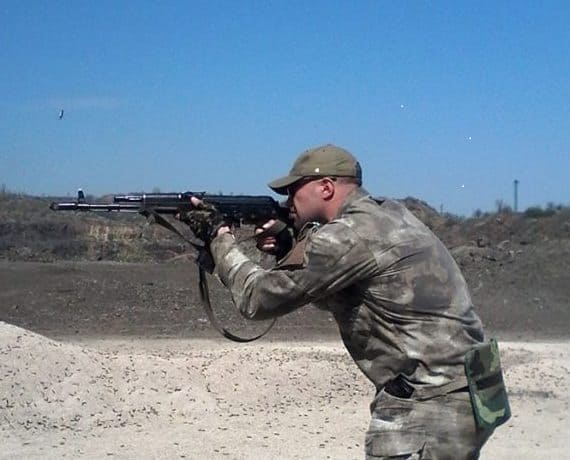
A Russian national has been sentenced to six and a half years in prison in Estonia for spying on behalf of the Russian Federal Security Service (FSS) and violating the country’s sanctions regime.
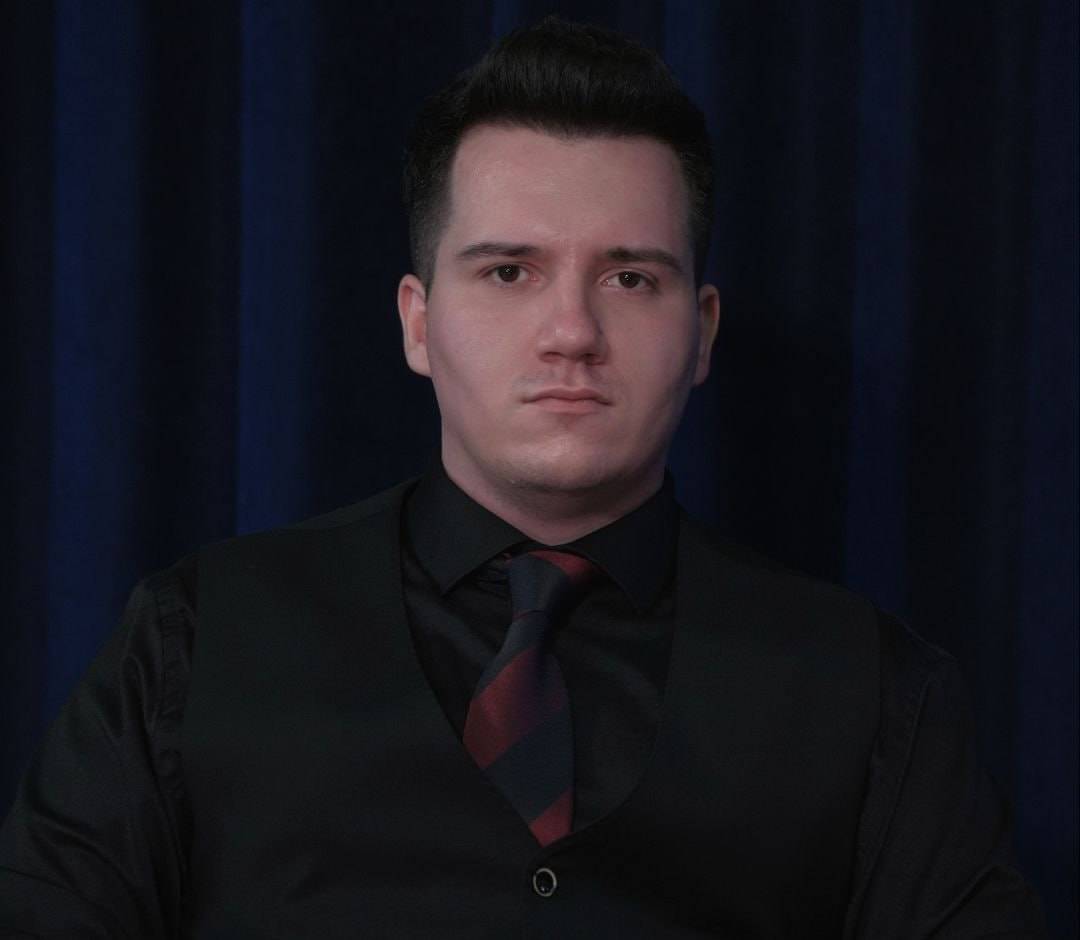
Estonia’s public broadcaster ERR reported that Pavel Kapustin, a resident of the eastern border city of Narva, was found guilty of collecting and passing information to the FSS, as well as transporting sanctioned goods to Russia.
The Harju County Court approved a plea deal between Kapustin and prosecutors, which includes a prison sentence and the confiscation of property worth nearly €90,000.
According to a statement from the prosecutor’s office, Kapustin knowingly established contact with the FSS, providing intelligence on Estonian affairs. He also acted as a courier for sanctioned items, receiving orders from clients in Russia.
Kapustin was additionally convicted of providing false information to Estonia’s Police and Border Guard Board when applying for a residence permit.
State Prosecutor Triinu Olev-Aas said the case illustrates how the FSS collects and analyzes local political attitudes to shape future influence operations.
“The defendant passed on a range of information to the FSS, including details on the removal of the tank monument in Narva and public reactions in the city to the Wagner Group’s armed mutiny against the Russian leadership,” Olev-Aas reported.
The case is the latest in a string of espionage-related prosecutions in Estonia. Earlier this year, authorities uncovered an attempt to create a parallel defense structure in Estonia with support from Russian military intelligence.
In 2022, Ivo Peterson and Dmitry Rootsi — figures associated with the pro-Kremlin Koos movement — started building a so-called civil defense unit intended to replace the Estonian Armed Forces in the event of a crisis.
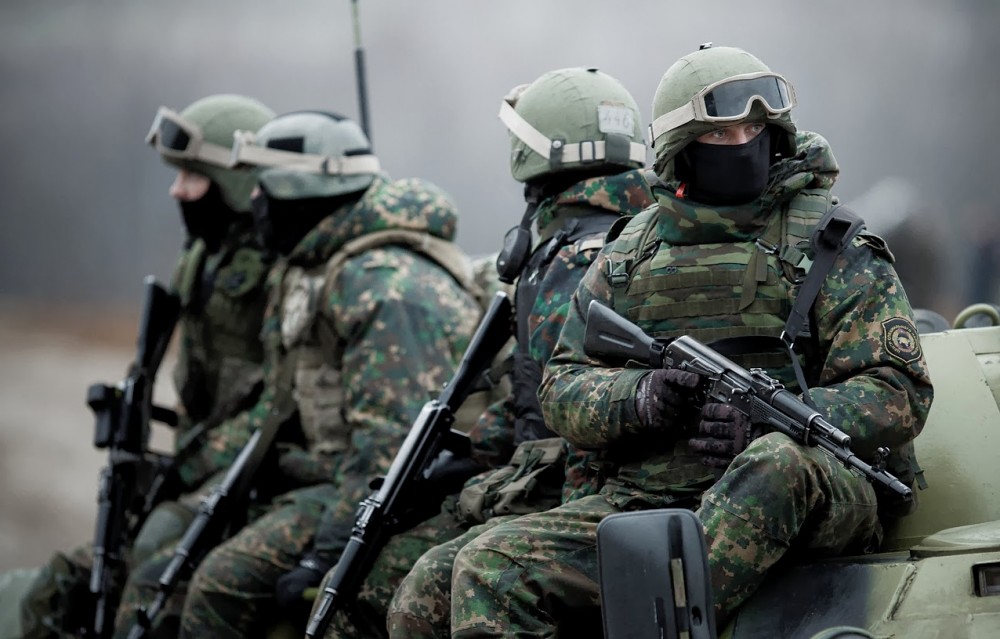
In correspondence with his associates, which the prosecution presented to the court, Peterson emphasized that the group’s goal was to “ensure security and perform the functions of the army” in the event of a “power vacuum,” the prosecution said in court.
According to the prosecution, the defendants attempted to establish contacts with representatives of Russian military intelligence (GRU) to obtain instructions and assistance in creating the unit.
Підтримати нас можна через:
Приват: 5169 3351 0164 7408 PayPal - [email protected] Стати нашим патроном за лінком ⬇
Subscribe to our newsletter
or on ours Telegram
Thank you!!
You are subscribed to our newsletter