
Popular

Russia uses three types of Shahed kamikaze drones, each containing different proportions of imported components.
Serhiy Kyslytsia, First Deputy Minister of Foreign Affairs of Ukraine, published the analysis.
As of today, Russia employs at least three Shahed versions in strikes on Ukraine, which differ in the share of imported parts.
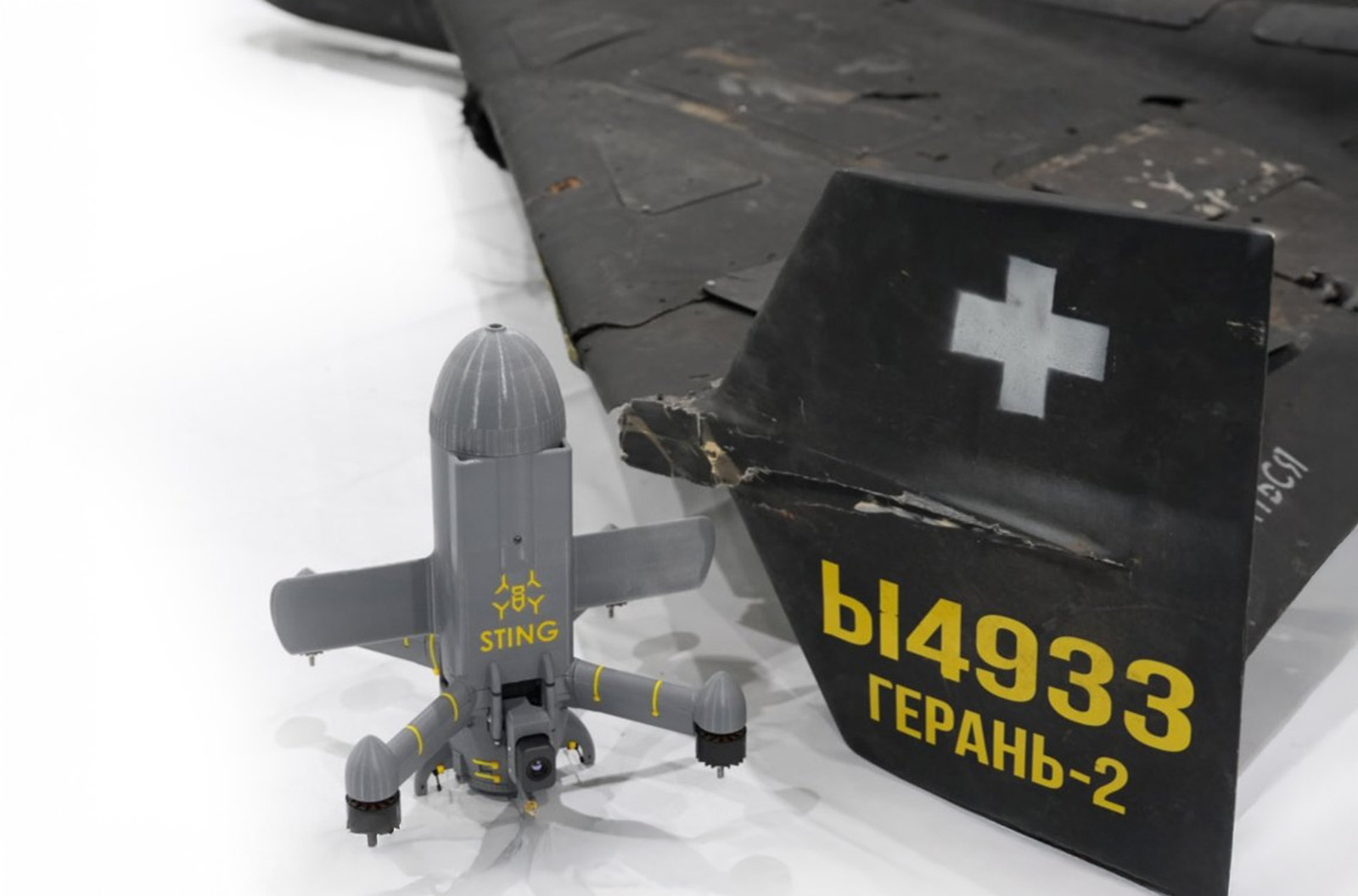
The newest modification — the Alabuga Shahed, also known as Geran — is assembled at a factory in Tatarstan and contains 294 imported components.
Their distribution by country is as follows: China and Taiwan — 120/294 (40.82%); the USA — 100/294 (34.01%); and other countries — 74/294 (25.17%).
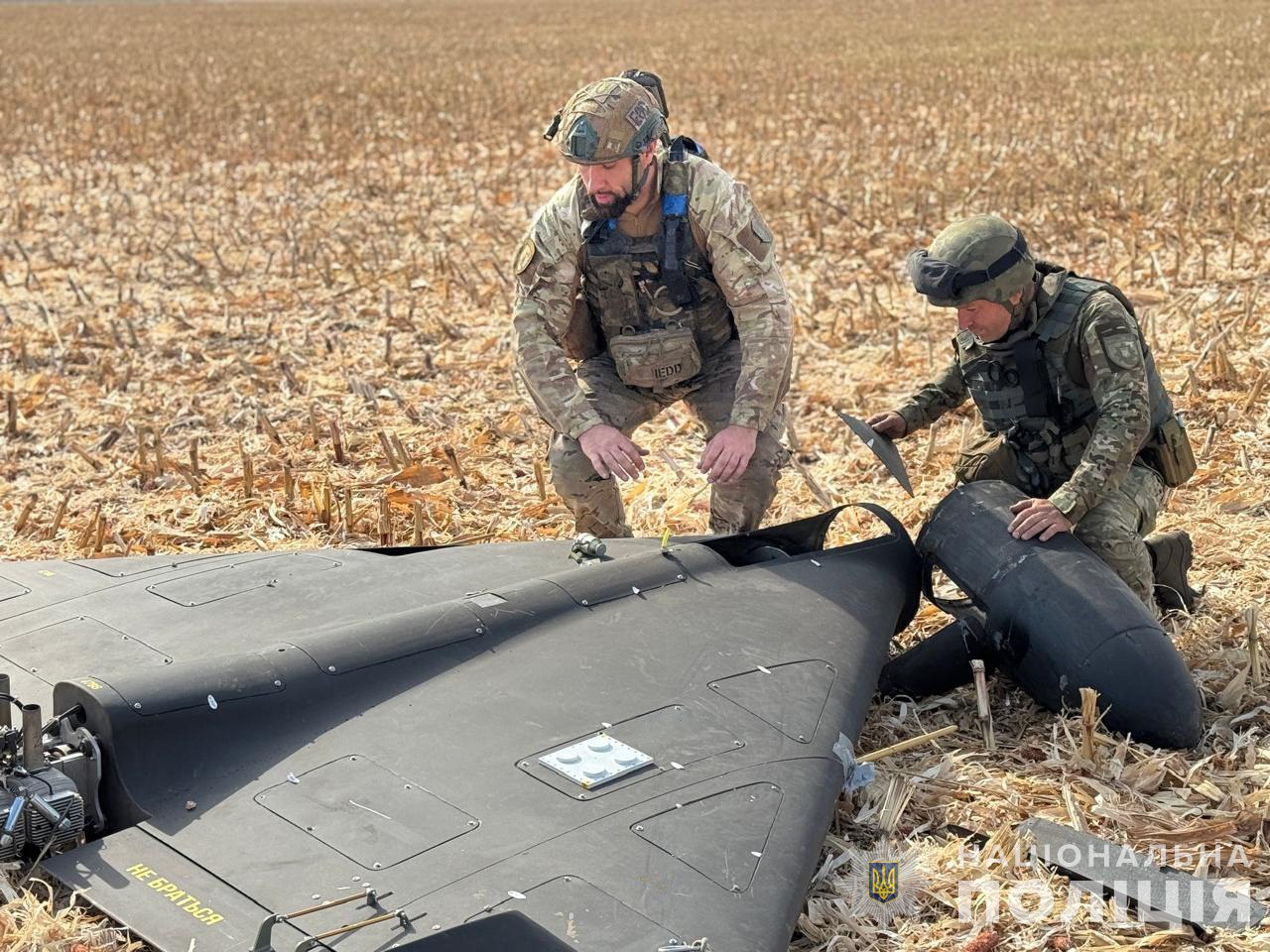
The Izhevsk (also called Garpiya) is another Shahed modification that contains fewer imported parts — 112 in total. Their distribution is as follows: China and Taiwan — 40/112 (35.71%); the USA — 40/112 (35.71%); and other countries — 32/112 (28.57%).
The classic Iranian version of the Shahed contains 105 imported components, of which 40/105 (38.10%) come from the USA and 65/105 (61.90%) from other countries.
In addition to the components themselves, the drones differ in assembly quality and the extent of modifications. Kyslytsia noted that the Alabuga assemblies use processors, microcontrollers, analog-to-digital converters, and other high-tech elements.
In effect, these are assemblies using imported electronics with minimal design modifications. A specific feature is an attempt to integrate Russian hull and auxiliary elements, while critical electronics remain foreign.
At the same time, the Izhevsk assembly features a larger share of localized components — notably a Russian navigation module. The design is more economical, as the control system has been simplified and most parts are produced domestically.

Kyslytsia said this can be seen as Russia’s attempt to move toward greater self-reliance and reduce dependence on imports. The Iranian Shahed, by contrast, exhibits no major changes, except for a larger share of American components and a higher-quality hull assembly.
Information about the components used in Russian drones and other weapons is published on the official website of the Defense Intelligence of Ukraine. The materials detail individual components and their origins.
Militarnyi previously reported that new batches of Russian Shahed-136 strike drones are increasingly fitted with equipment to connect to Ukrainian mobile networks and transmit data.
Modems for mobile network connections in Russian drones have been found to contain SIM cards from the Ukrainian operator Kyivstar; later, SIM cards from Kazakh operators were also identified. Researchers have recently started to discover Russian-made SIM cards without any markings.
Підтримати нас можна через:
Приват: 5169 3351 0164 7408 PayPal - [email protected] Стати нашим патроном за лінком ⬇
Subscribe to our newsletter
or on ours Telegram
Thank you!!
You are subscribed to our newsletter