


Popular

Russian forces have used a Chernika drone in an attack on Kharkiv for the first time, according to city mayor Ihor Terekhov.
The drone, recorded by the Department of Emergency Situations of the Kharkiv Military City Council, caused damage to several vehicles in a garage cooperative.
Terekhov said the drone’s warhead was comparable in power to the Molniya drone but featured a different design.
Despite the attack, the mayor noted that improved coordination by Ukrainian Defense Forces had reduced the duration of air raid alerts in Kharkiv over the previous week by 33 hours — 43% below the regional average.

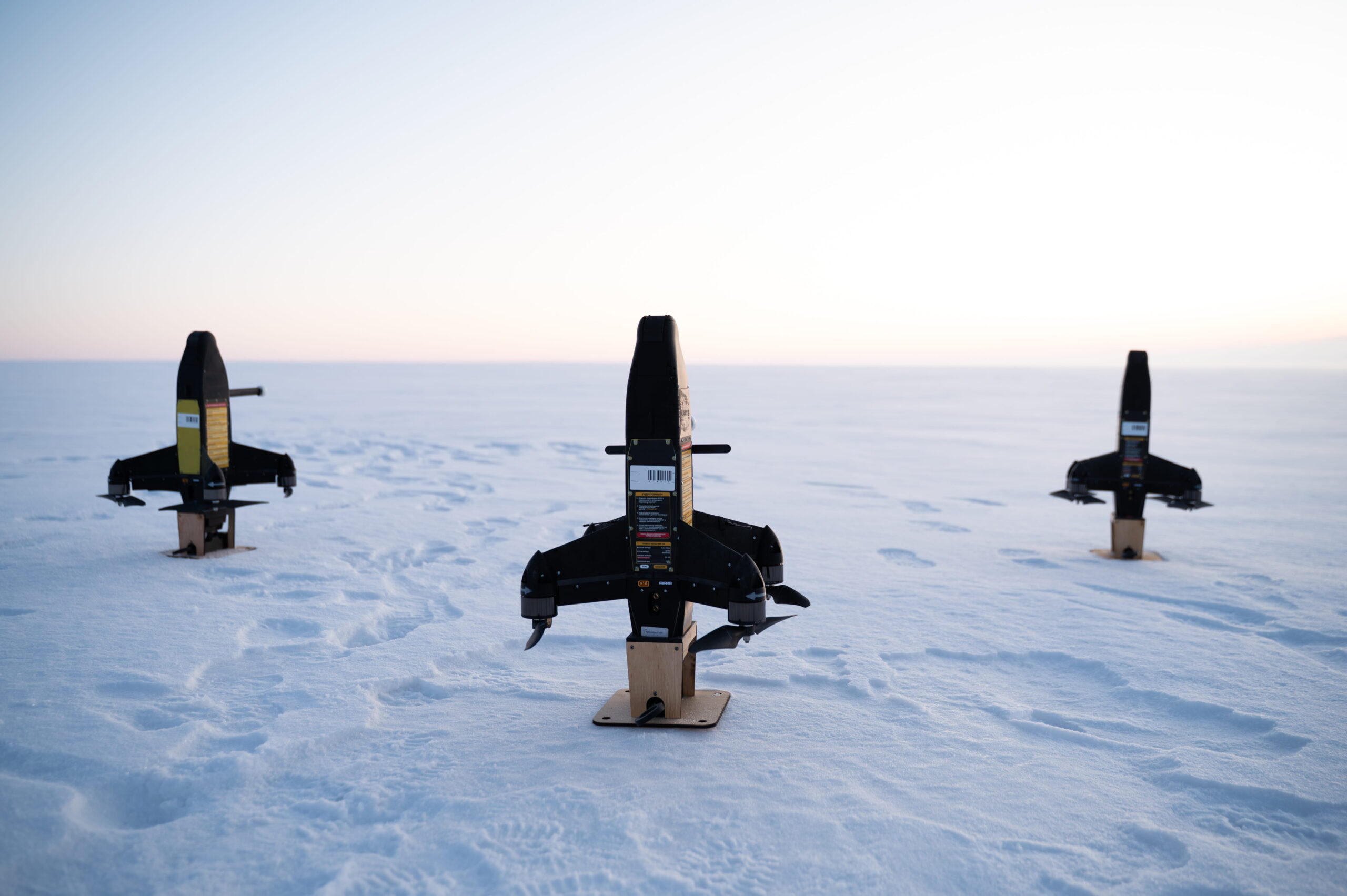
The Chernika series includes two known models: Chernika-1 and Chernika-2, introduced into Russian service in 2022. Both are FPV-type kamikaze drones based on a flying wing design.
Chernika-1 carries a 0.7 kg high-explosive warhead, with a reported range of up to 80 kilometers and a cruising speed of 75 km/h. It can reach altitudes of 1,500 meters.

Chernika-2 is a larger variant, equipped with a warhead weighing between 2.5 and 3.5 kilograms and a claimed range of up to 100 kilometers. It cruises at 60 km/h, and in a reconnaissance configuration, its battery can sustain up to two hours of flight.
As of April 2024, Russian forces had reportedly received more than 7,000 Chernika-1 and 4,500 Chernika-2 drones.
In April 2025, Russian media reported that airborne units had begun receiving modernized Chernika-2s equipped with a terminal-phase homing system. The system is designed to guide the drone to a target if the control or video signal is lost.

In April, Russia used an FPV drone to strike a civilian gas station in Zaporizhia, damaging a gas module and triggering a 20-square-meter fire. Given the city’s distance from the front line, Ukrainian authorities believe a long-range drone, possibly supported by a signal relay drone, was used in the attack.
Підтримати нас можна через:
Приват: 5169 3351 0164 7408 PayPal - [email protected] Стати нашим патроном за лінком ⬇
Subscribe to our newsletter
or on ours Telegram
Thank you!!
You are subscribed to our newsletter