




Popular
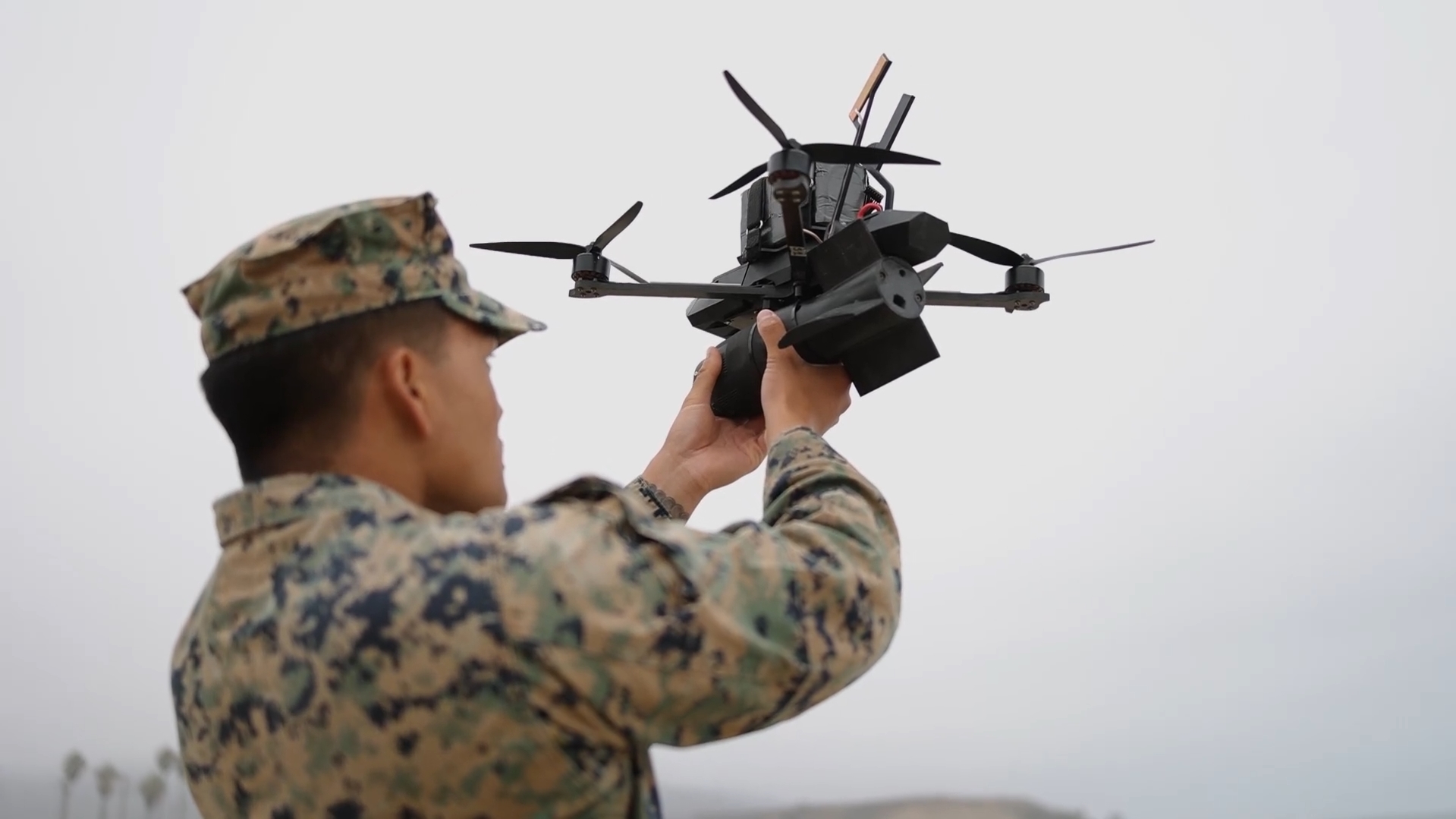
The Pentagon will spend $1 billion on the rapid acquisition of hundreds of thousands of kamikaze drones to boost the Army’s combat capabilities.
The War Zone reports this.
To make it happen, the U.S. Department of Defense has launched a new initiative called the Drone Dominance Program (DDP).
The plan calls for purchasing more than 300,000 inexpensive, lethal U.S.-made drones by early 2028. The procurement will be carried out in four phases.
The DDP program implements a July memorandum by US Secretary of War Pete Hegseth that enables significant changes in how the military purchases and uses such weapons.
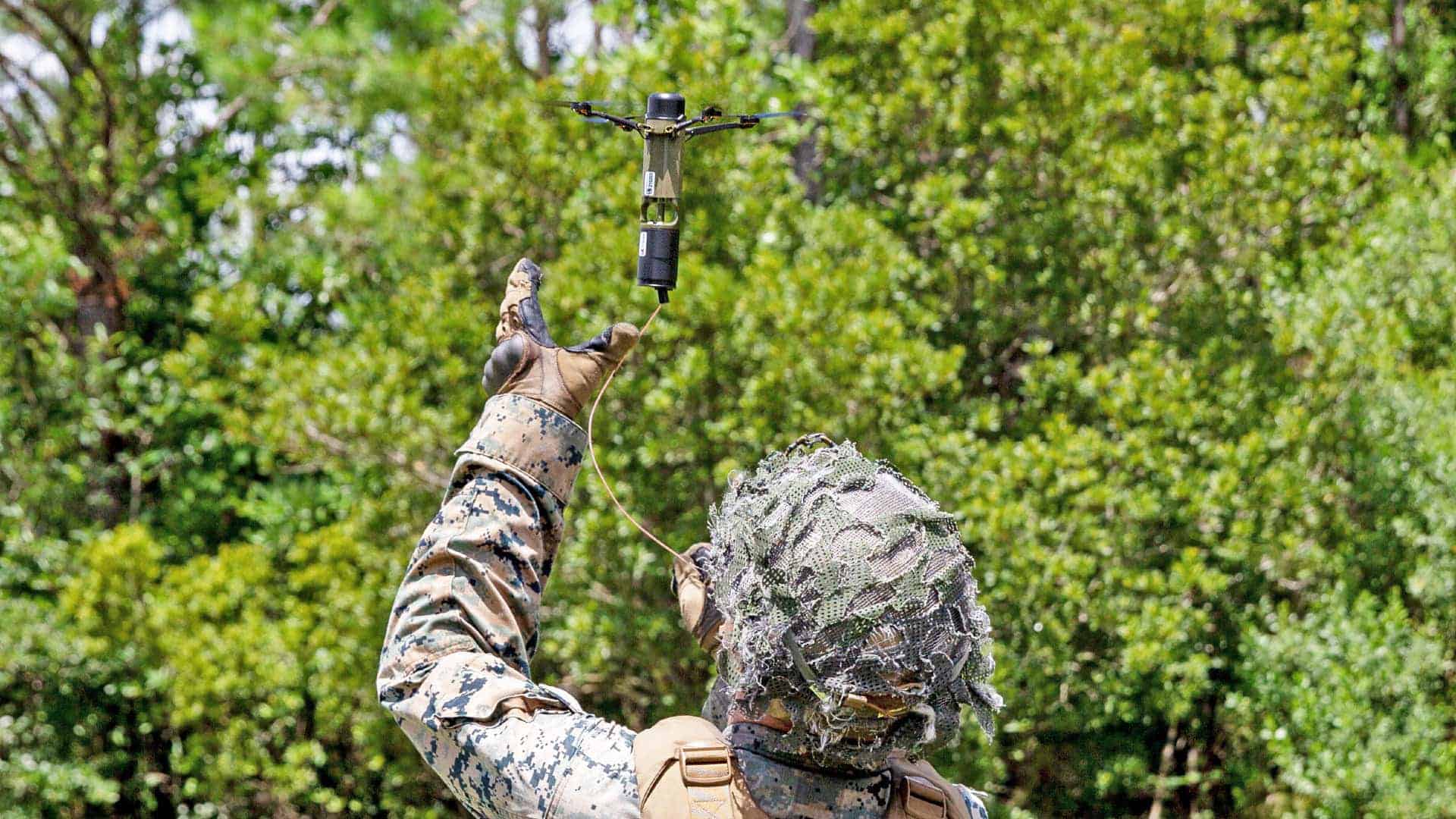
The Pentagon expects to order 30,000 drones with deliveries by July 2026. And by 2027, under the Drone Dominance program, it plans to purchase more than 200,000 kamikaze drones.
“Through this program, $1 billion will go toward producing approximately 340,000 small unmanned aerial systems for combat units over the next two years,” the U.S. Department of Defense stated.
The first of the program’s four phases, called the “testing” phase, will run from February to July 2026. During this period, 12 suppliers will be asked to produce 30,000 drones at a cost of 5,000 dollars per unit, with a total of $150 million allocated for this.
Over the course of the next three testing rounds, the number of suppliers is expected to be reduced from 12 to five, while the number of drones ordered will increase from 30,000 to 150,000, and the price per drone will drop from $5,000 to $2,300.
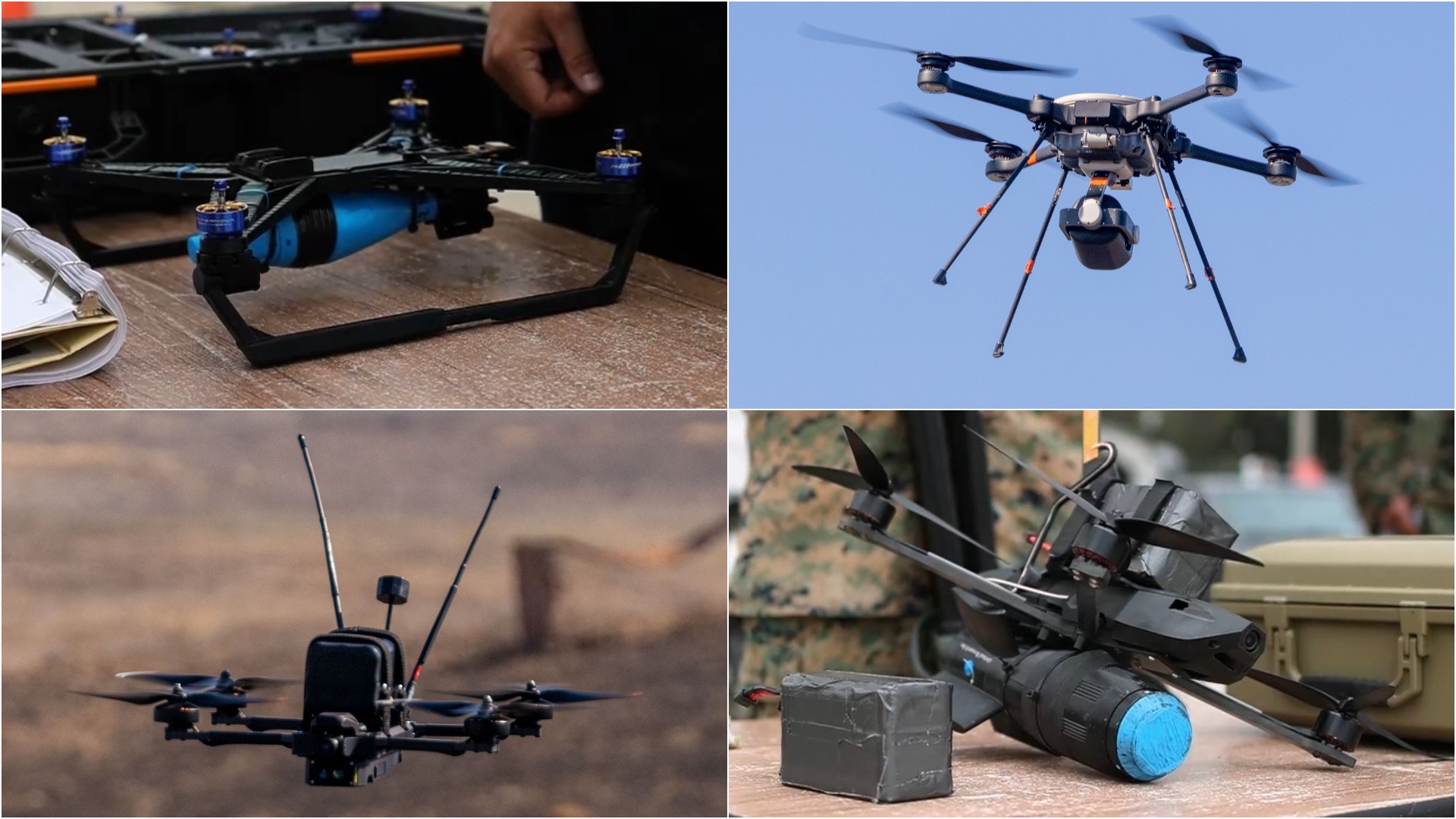
The department does not specify which types of drones it will purchase, but based on the expected unit price, they will most likely be FPV drones and other small quadcopters similar to those currently used in Russia’s war against Ukraine.
In the first testing phase, the drones will be evaluated based on their performance in two missions, which will likely include a strike at a distance of 10 kilometers in open terrain and a strike in a simulated urban area at a distance of one kilometer. The drones will perform missions with a minimal payload of 2 kg.
After the first phase, the competition will become significantly more challenging, including the introduction of electronic warfare interference.
Підтримати нас можна через:
Приват: 5169 3351 0164 7408 PayPal - [email protected] Стати нашим патроном за лінком ⬇
Subscribe to our newsletter
or on ours Telegram
Thank you!!
You are subscribed to our newsletter