





Popular
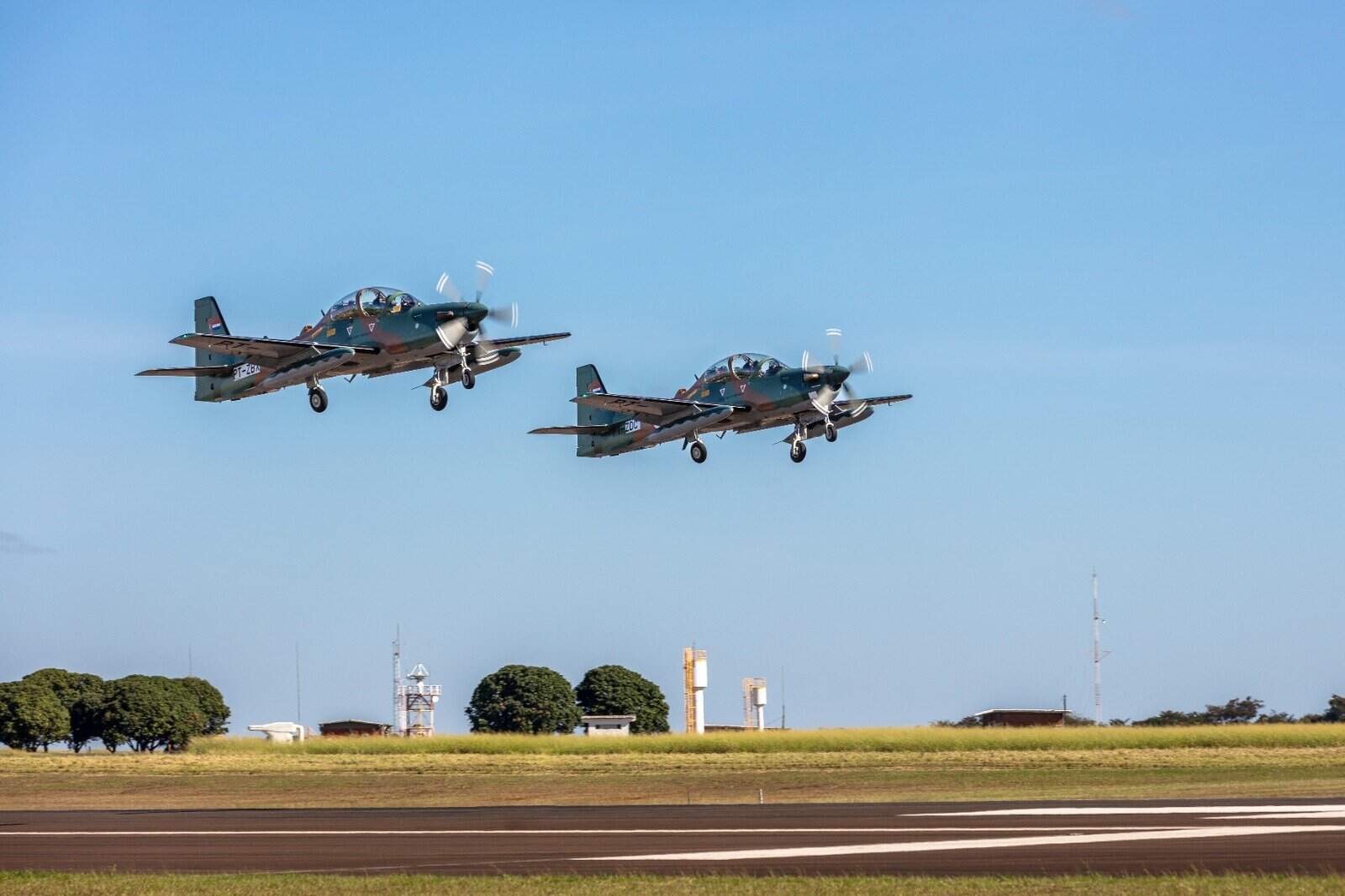
The Paraguayan Air Force intercepted a Bolivian Cessna 206 aircraft suspected of transporting cocaine. Two light attack aircraft – a Tucano and a Super Tucano – were used in the interception.
The Paraguayan ABC TV Paraguay television channel released footage of the aerial pursuit.
According to preliminary reports, the incident began around 11:00 a.m. local time, when Paraguayan military personnel detected an “irregular” aircraft in the northern part of the country. During the interception, the aircraft was identified as a Cessna 206 bearing Bolivian registration CP-2088.
The aircraft was tracked in the area of Concepción Department, and its initial detection is linked to the Paso Bravo National Park area.
General Julio Fullaondo, the Commander of the Paraguayan Air Force, told journalists that the military initially attempted to covertly shadow the target. The plan called for a rapid ground operation involving a tactical team and a helicopter in the area where the aircraft might land.
However, when the Cessna approached within approximately 40 km of the Brazilian border, a decision was made to move to the active phase of the interception and attempt to force the aircraft to land.
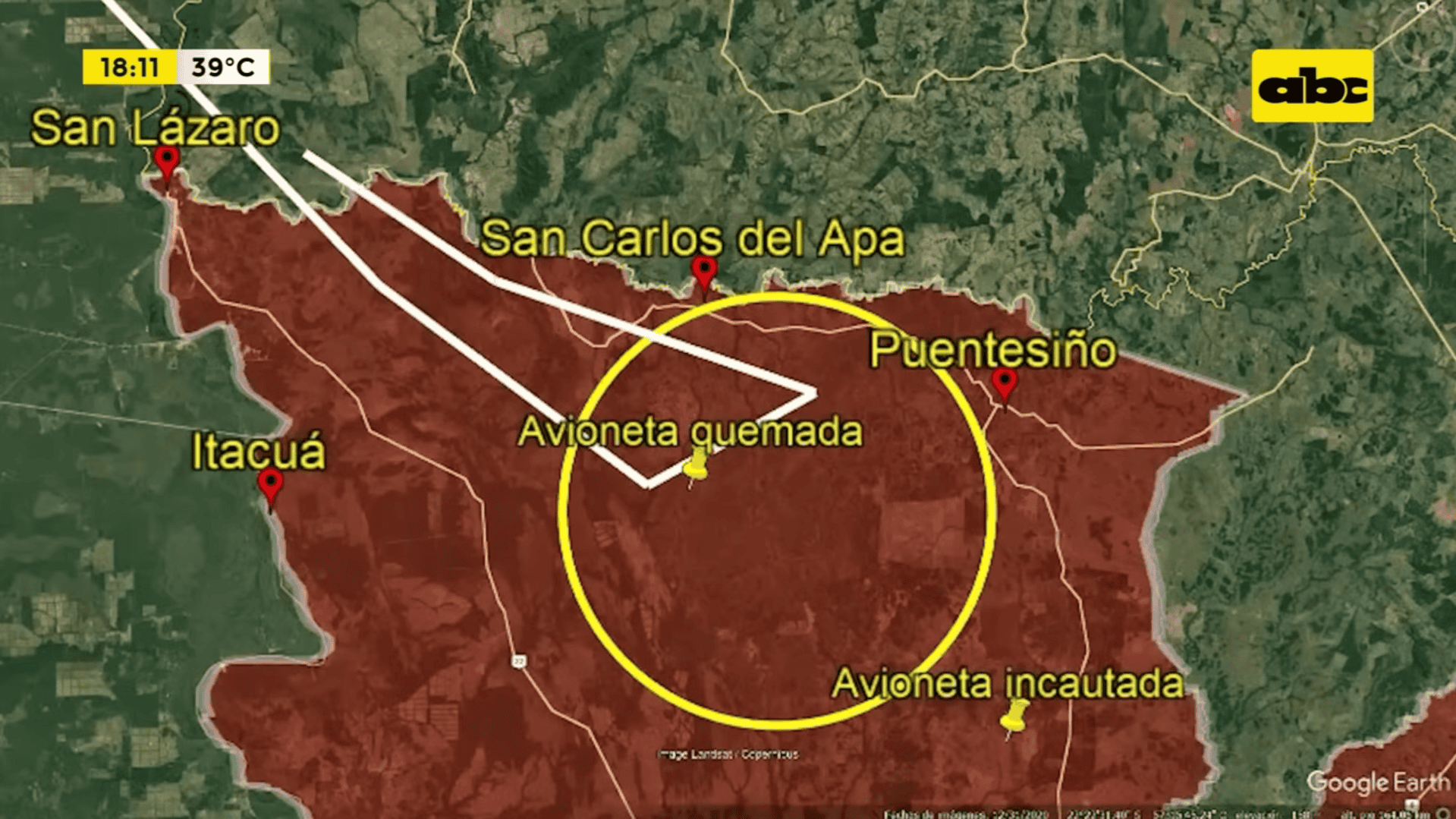
After the target was identified, the Bolivian aircraft’s pilots were ordered to establish radio contact and land, but they ignored the instructions. In response, the crews of the Tucano and Super Tucano carried out warning shots.
According to the command’s version, the aircraft landed near the border town of Capitán Bado, where two vehicles approached it. After additional warning shots were fired, the trucks left the landing site. The Cessna remained on the ground for about a minute and a half, then took off again, allegedly without time to unload its cargo.
Meanwhile, local residents published video footage which, according to journalists, shows the aircraft being unloaded. Based on these materials, the drug traffickers managed to transfer the cargo and only then took off.
After taking off again, the aircraft was once more escorted by a pair of Tucano and Super Tucano aircraft until it exited Paraguayan airspace toward Bolivia. The total duration of the pursuit, according to the command’s assessment, was 3.5–4 hours.

The Paraguayan side informed the Bolivian Air Force of the incident and provided the aircraft’s coordinates upon entry into Bolivian airspace. Further investigation into the aircraft with registration CP-2088 indicates it falls under Bolivia’s jurisdiction.
Although the distance from the landing area to the Bolivian border appears too great for the standard range of a Cessna 206, the commander of the Paraguayan Air Force explained that drug traffickers often install improvised internal fuel tanks made from jerrycans, which significantly extend the aircraft’s flight range.
As the military noted, the detection of drug cartel aircraft became possible thanks to the use of radar systems. With the expected delivery of additional radar systems from the United States, interception effectiveness is set to improve. At the same time, Paraguayan legislation allows only warning shots, while the use of force is permitted exclusively in cases of self‑defense or to eliminate an immediate threat to third parties.
In November 2024, the Paraguayan government secured a loan from Brazil’s BNDES bank to purchase six EMB‑314/A‑29 Super Tucano light attack aircraft for the country’s Air Force.
The new aircraft are being used to combat drug cartels – particularly to intercept smugglers’ light aircraft and to support Army units. Paraguay received its first batch of A‑29 Super Tucanos in late June 2025.
Підтримати нас можна через:
Приват: 5169 3351 0164 7408 PayPal - [email protected] Стати нашим патроном за лінком ⬇
Subscribe to our newsletter
or on ours Telegram
Thank you!!
You are subscribed to our newsletter