




Popular

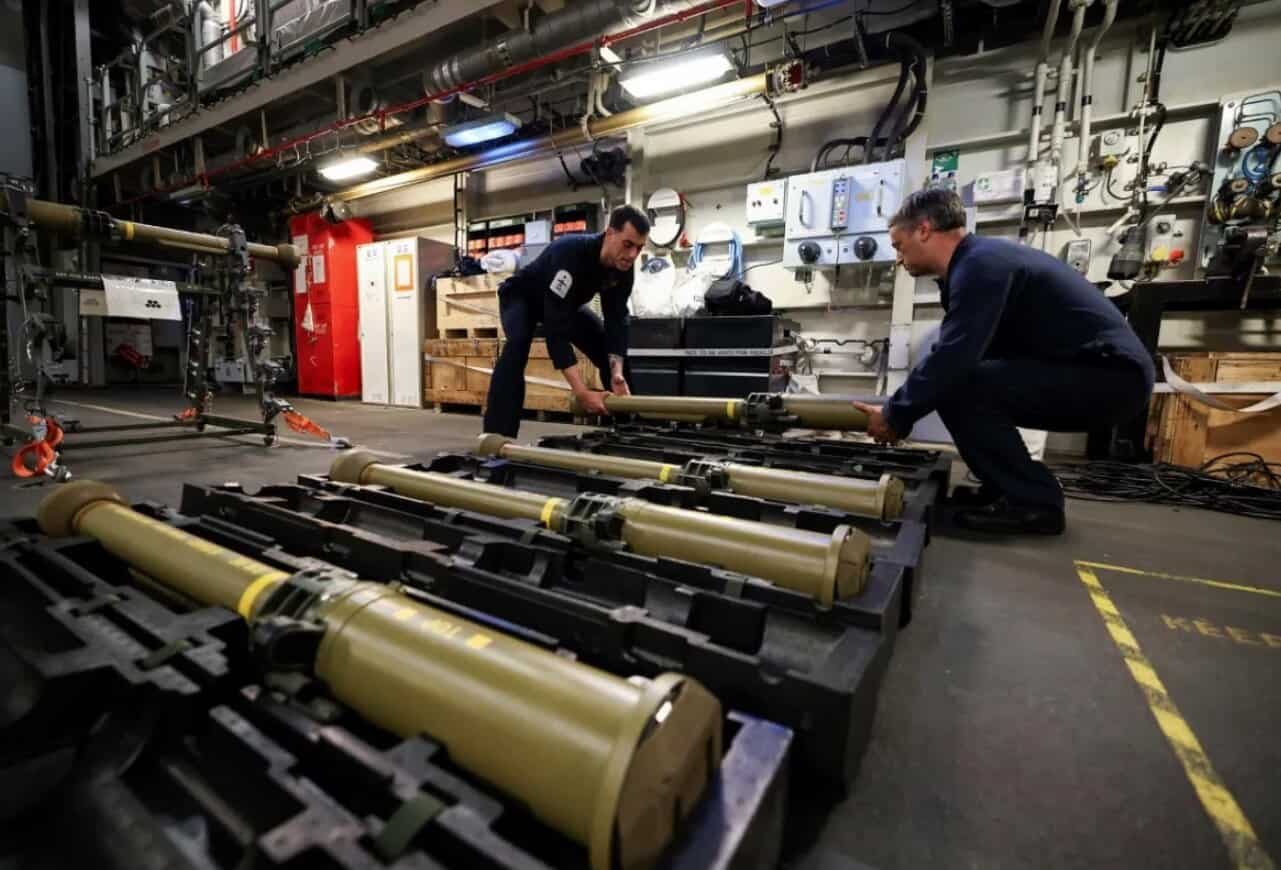
Lockheed Martin has conducted the first flight test of a missile developed under the NGSRI program, intended to replace the Stinger MANPADS in service with the US Army.
The tests took place on January 13, 2026, at the White Sands Missile Range in New Mexico, Lockheed Martin announced.
As of January 2026, the leading contenders to develop a successor to the FIM-92 Stinger — the primary man-portable air defense system used by the US Army and its allies — are Lockheed Martin and Raytheon (RTX).
The first flight test evaluated key missile subsystems, including control, stability, navigation, and baseline guidance algorithms.
The program aims to provide troops with a significantly more capable tool against drones, attack helicopters, and low-altitude aircraft.

Lockheed Martin says that in several scenarios, the NGSRI more than doubles the Stinger’s capabilities in terms of range, probability of kill, and resistance to countermeasures.
The new missile is being developed using an open architecture and modular design, allowing rapid upgrades to sensors, software, and warheads.
This approach is considered critical for modern air defense, where threats evolve faster than traditional procurement cycles.

Since securing the initial contract in 2023, Lockheed Martin has advanced the NGSRI from concept to flight testing in just 26 months.
The system incorporates elements of artificial intelligence and machine learning to improve target recognition and guidance in complex electronic environments.
As a result, the United States has effectively launched the process of replacing the Stinger with a next-generation interceptor that is digital, networked, and significantly more capable.
Previously, the topic of MANPADS was addressed in Miltarnyi’s article “Weapons That Destroy Russian Cruise Missiles and More.”
Підтримати нас можна через:
Приват: 5169 3351 0164 7408 PayPal - [email protected] Стати нашим патроном за лінком ⬇
Subscribe to our newsletter
or on ours Telegram
Thank you!!
You are subscribed to our newsletter