


Popular

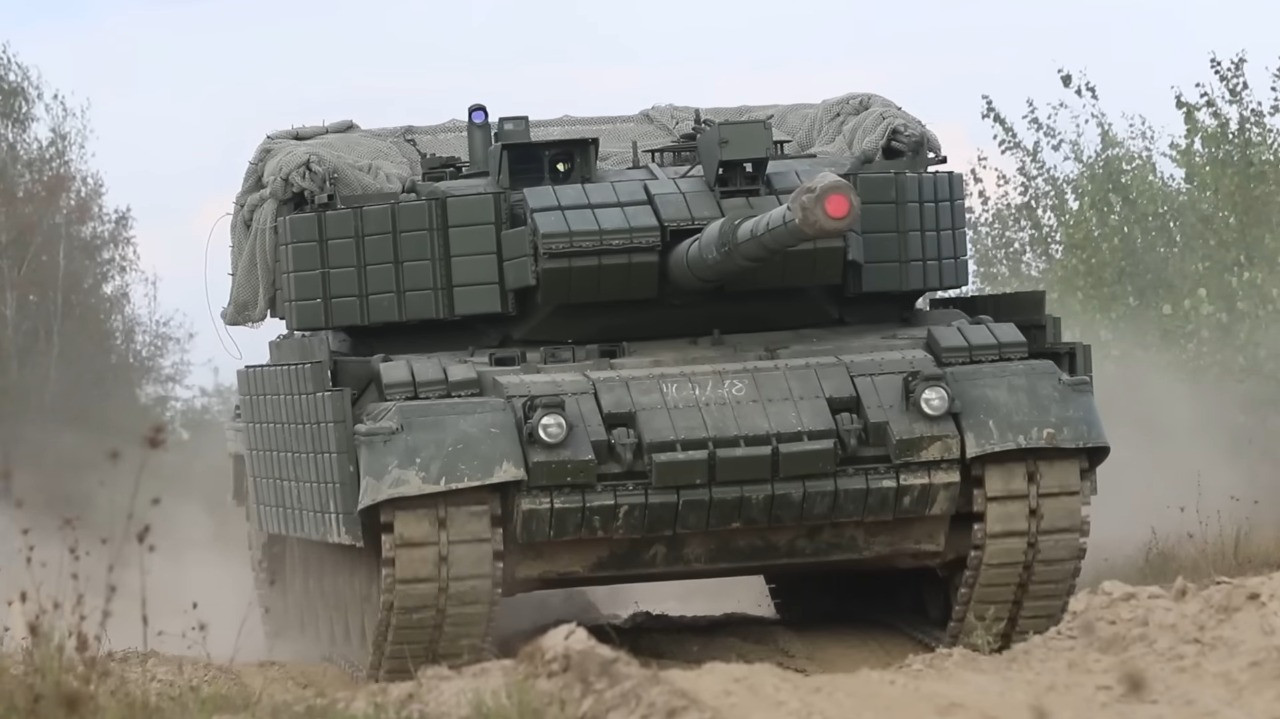
A Leopard 1A5 main battle tank from the 5th Separate Heavy Mechanized Brigade survived over 50 hits from enemy drones without its armor being penetrated.
The brigade’s tank company commander, known by the callsign Spartan, shared this with Militarnyi.
The tank came under attack from Russian UAVs after being fitted with additional protective upgrades designed to improve its survivability in the conditions of the war in Ukraine.
The tank was equipped with Nizh and Kontakt-1 explosive reactive armor.
The Nizh explosive reactive armor was installed on the hull to protect the upper front section, while the Kontakt-1 explosive reactive armor was placed on the sides and the lower front part of the hull.
The blocks were also mounted on the turret, covering most of its sides and frontal area.
In addition, the tank was fitted with a “cope cage,” which improves protection of the upper hemisphere and helps shield the crew from dropped munitions. It was also equipped with anti-drone “spikes,” designed to withstand FPV drone attacks without triggering the detonation of shaped-charge warheads.
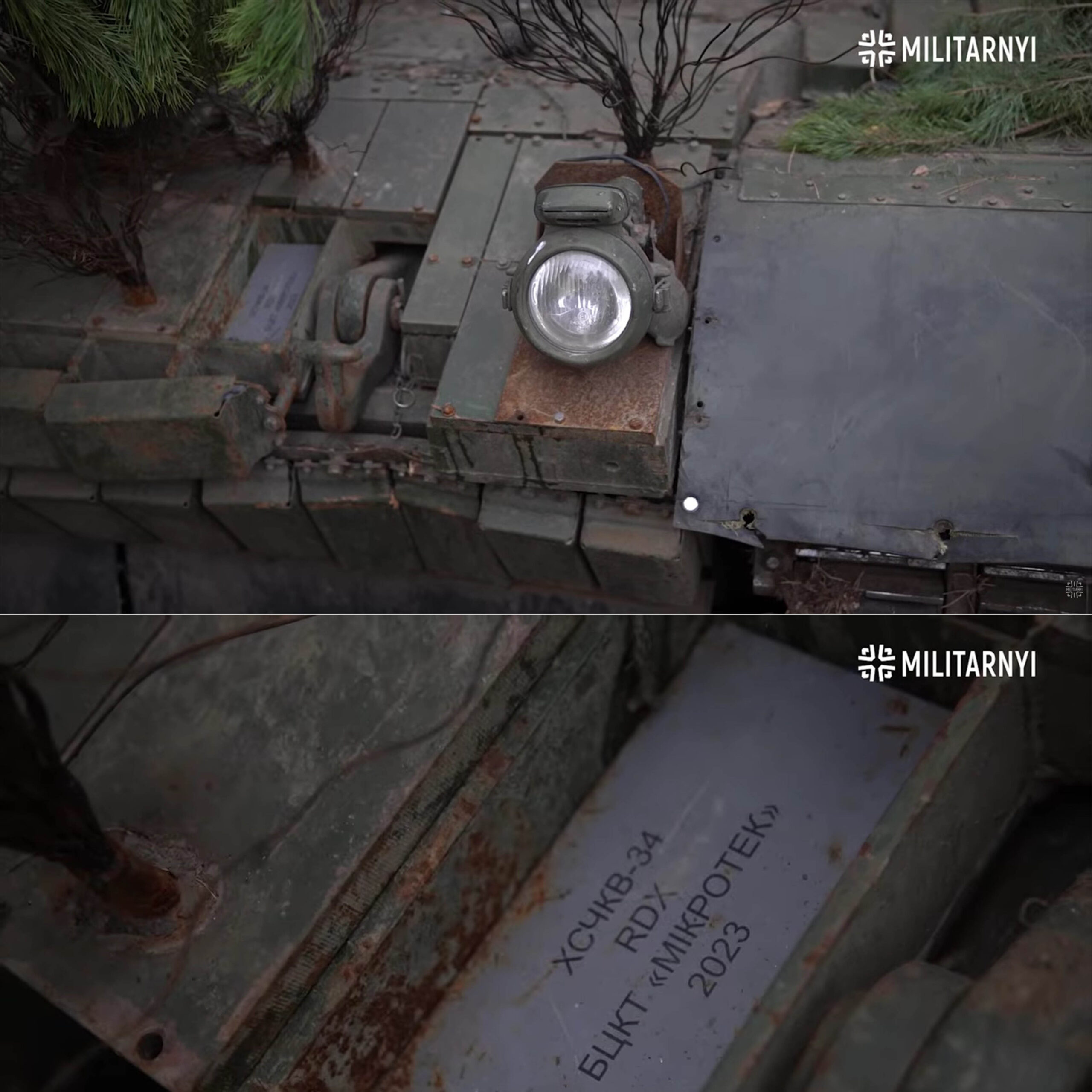
A Russian attempt to disable the Ukrainian Leopard 1A5 failed. After spotting the tank in position, the enemy carried out 52 strikes. Despite the intense attack, the crew managed to start the vehicle and withdraw from the position on their own.
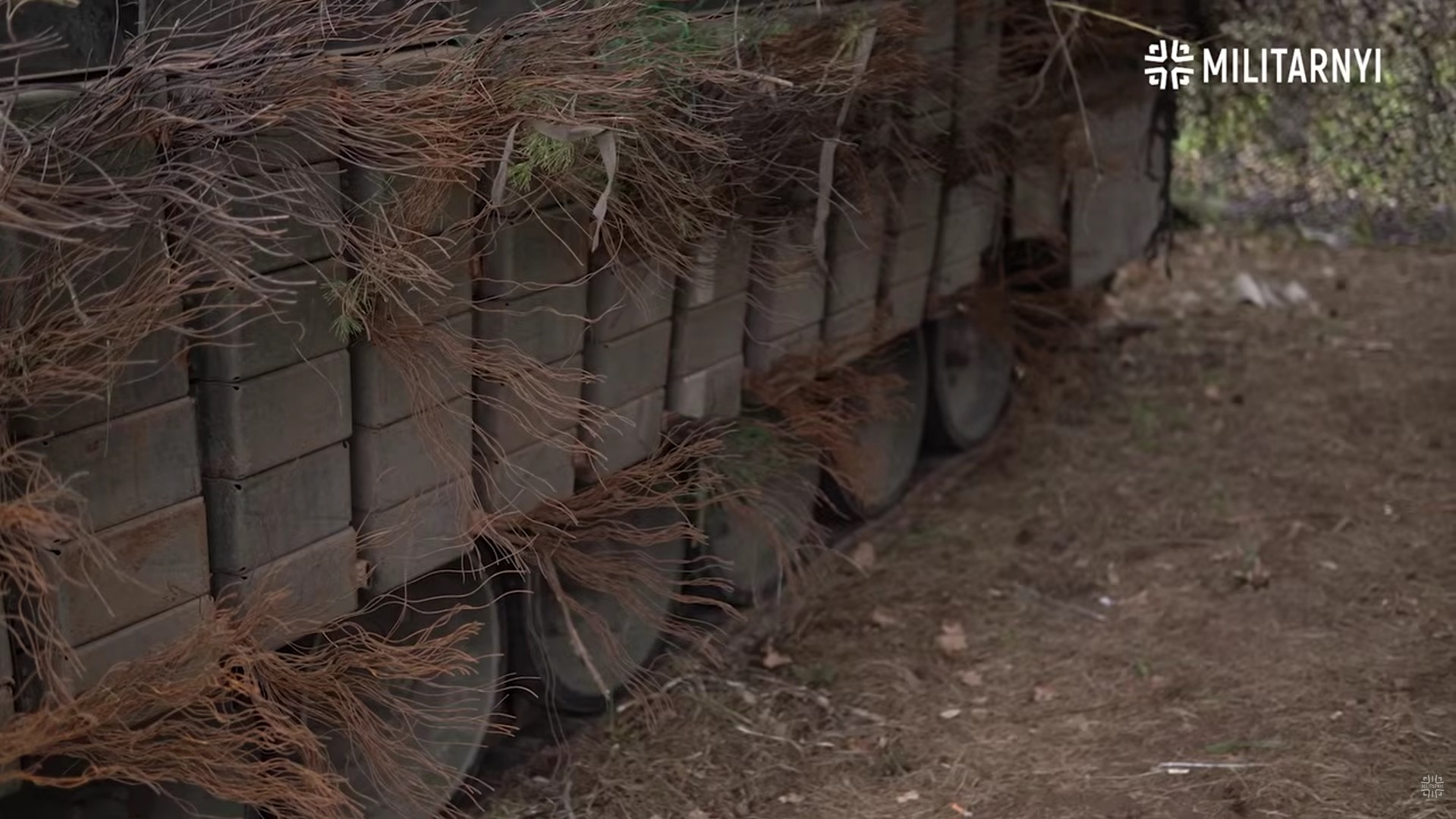
Meanwhile, Spartan noted that without additional protection, the vehicle tends to lose mobility when hits strike the engine and transmission compartment.
Despite this approach to added protection, the tank retained its functionality as a combat vehicle, including the ability to rotate the turret and use its optics. In contrast, the Russian side, during upgrades, often turns its equipment into moving “barns,” effectively stripping them of the ability to operate as full-fledged combat units.
The Leopard 1 was the first main battle tank fully developed and produced by West Germany after World War II. Its history began in the mid-1950s, when the newly formed Bundeswehr needed a modern vehicle to replace outdated American M47 and M48 Patton tanks.
Initially, Germany, France, and Italy planned a joint development program, but Germany later chose to proceed independently. Porsche developed the design, and Krauss-Maffei launched mass production in 1965. The tank was named Leopard and became one of the symbols of the West German army during the Cold War.
The vehicle was equipped with a licensed British 105 mm rifled Royal Ordnance L7A3 (L/52) gun, which allowed it to fire all standard NATO ammunition of this caliber.

The tank is powered by a 10-cylinder multi-fuel diesel engine, the MTU MB 838 CaM-500, with a displacement of 37.4 liters and an output of 830 hp (610 kW). With a base weight of 40–42.5 tons, the Leopard 1 could reach speeds of up to 65 km/h on roads, offering excellent maneuverability and relatively simple maintenance.
The Leopard 1 had one of the lightest armor protection levels among main battle tanks of its era. The designers deliberately engineered it with the threat of shaped-charge munitions in mind. The upper front hull armor was 70 mm thick and angled at 55–60°, while the lower front hull section ranged from 35 to 50 mm in thickness.
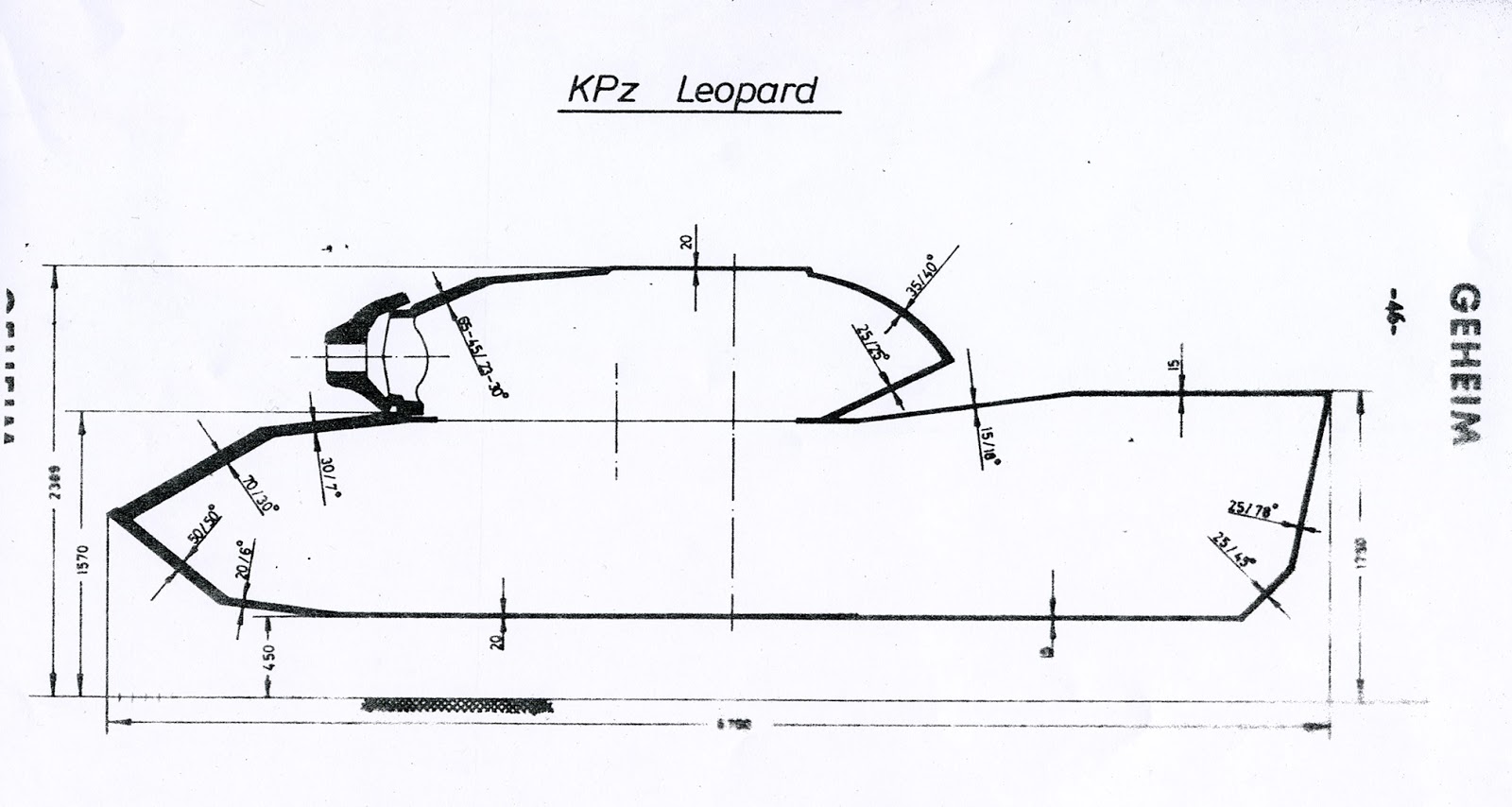
The upper hull side armor was 35 mm thick, the lower sides were 25–30 mm, and the rear was only 25–30 mm. This “thin skin” design provided high mobility and low weight, although it also made the tank vulnerable to all contemporary anti-tank weapons.
A notable feature of the protection was its cast turret, with the frontal section reaching a maximum thickness of about 60–70 mm. The complex geometry of the gun mantlet allowed effective thicknesses of up to 200 mm in the thickest areas. The turret side armor was 37–45 mm thick, while the roof ranged from 25–35 mm.
In later versions, the protection was significantly improved. The Leopard 1A1 received rubber-metal side skirts and initial appliqué armor. The 1A1A1 version was fitted with a Blohm & Voss add-on armor package, consisting of steel-rubber composite plates on the turret and wedge-shaped reinforcement of the gun mantlet.
This upgrade increased protection against 20 mm autocannons. The Leopard 1A2 received an improved cast turret, while the 1A5 featured an updated welded turret and additional appliqué armor.
Підтримати нас можна через:
Приват: 5169 3351 0164 7408 PayPal - [email protected] Стати нашим патроном за лінком ⬇
Subscribe to our newsletter
or on ours Telegram
Thank you!!
You are subscribed to our newsletter