

Popular

The Latvian Special Operations Forces Command announced the creation of a new unit — the Rangers.
The national media outlet LSM reported on this.
The new unit will be able to perform the full range of tasks typical of NATO Special Operations Forces.
In particular, this includes special reconnaissance, direct action, and unconventional warfare — that is, supporting national resistance movements and using asymmetric tactics.
In addition, the Rangers will be able to participate in anti-terrorist operations, increasing the country’s internal security and its readiness to counter hybrid threats.
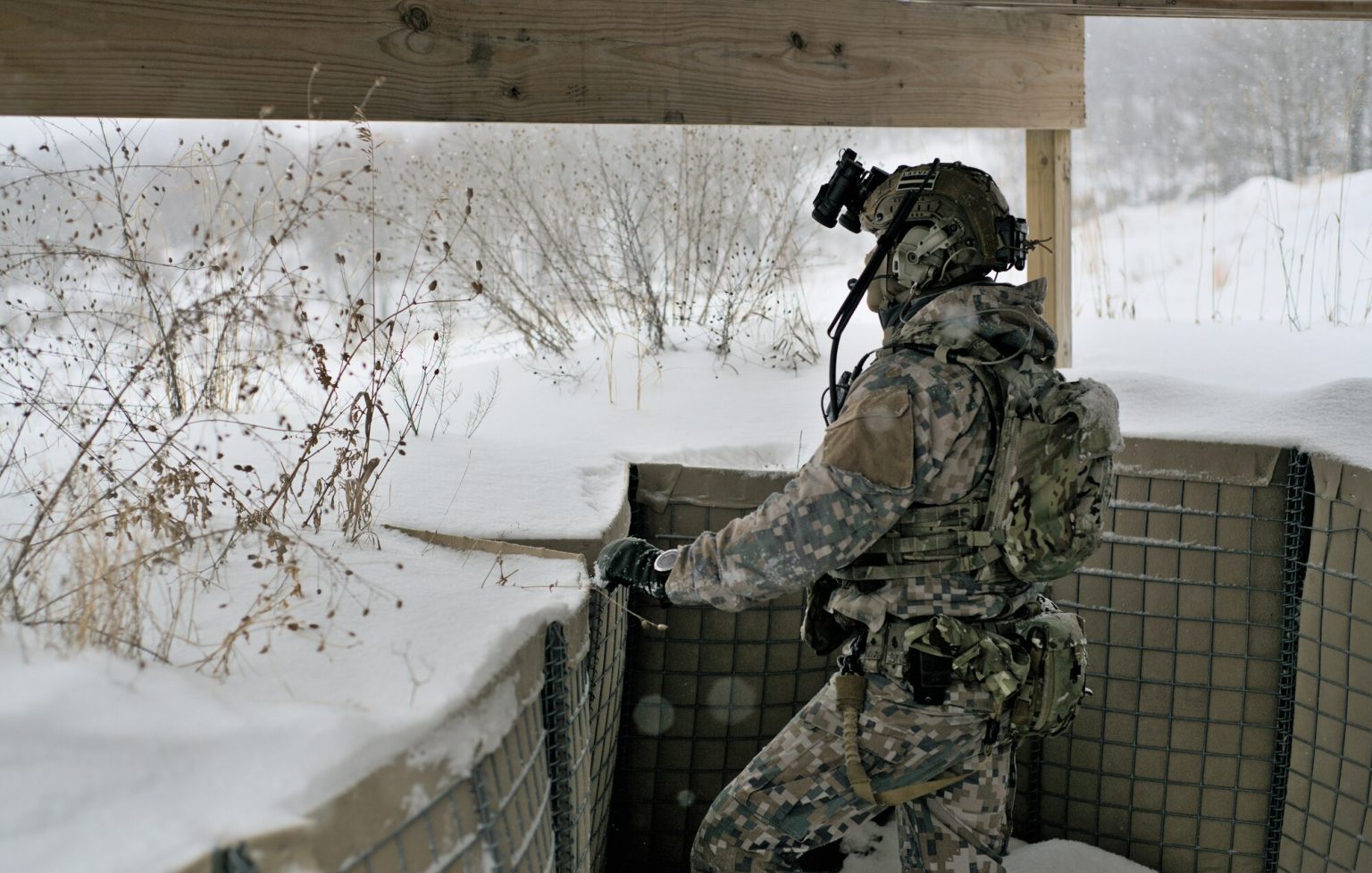
It is noted that the formation of Rangers will be an important step towards strengthening the combat capability of the Latvian SSO.
Candidates wishing to join the unit will undergo a selection process, which includes an assessment and an entrance exam.
Successful candidates will begin six-month basic training, upon completion of which they will receive the Ranger qualification.
This qualification paves the way for service in the unit and further specialized tactical and combat training, which gives the right to participate in special operations.
The first-level training cycle is scheduled for March 2026.
The Latvian command was likely inspired by the Ukrainian experience of creating the Ranger Corps, which filled an intermediate niche between the elite units of the highest level (Tier 1).
The Ukrainian Corps has demonstrated its effectiveness as a highly mobile, well-equipped, and numerous unit capable of performing a wide range of tasks, from assault operations to special reconnaissance.
Back in March, it was announced that the Latvian government intends to significantly increase the number of volunteers in the National Guard by simplifying the admission criteria.
The formation of the Rangers may be a similar step in its design, which is aimed at increasing the size of the SSO by forming a unit with lower training requirements.
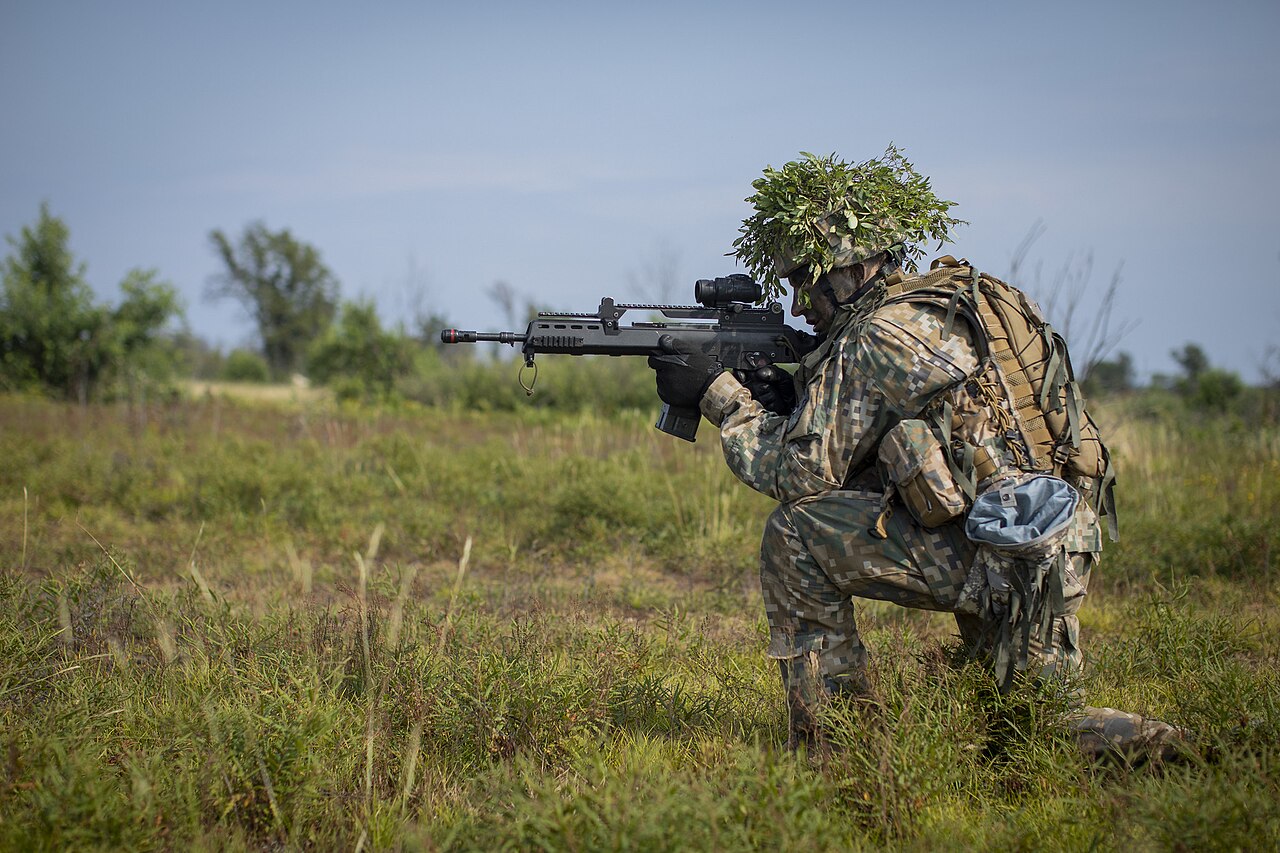
Currently, the National Guard, which is part of the National Armed Forces of Latvia, has 10,000 people. The government sets an ambitious goal of doubling its size.
In particular, it is planned to identify specializations for which certain medical restrictions will not be an obstacle.
For example, this will apply to drone operators, engineers, and cybersecurity specialists.
A simplified entry mechanism will allow more volunteers to be recruited and provide them with the necessary skills for the country’s defense.
Підтримати нас можна через:
Приват: 5169 3351 0164 7408 PayPal - [email protected] Стати нашим патроном за лінком ⬇
Subscribe to our newsletter
or on ours Telegram
Thank you!!
You are subscribed to our newsletter