
Popular

Kurdish units of the Syrian Democratic Forces (SDF) have withdrawn from Syria’s largest oil field and a key dam on the Euphrates amid a pro-government offensive.
This was reported by DW.
The Syrian army continues to push the SDF out of areas in the north and northeast of the country that the group has controlled for more than a decade. On Sunday, January 18, the government announced it had captured the strategic city of Tabqa, located about 55 kilometers west of the key city of Raqqa.
“The Syrian army controls the strategic city of Tabqa in the Raqqa countryside, including the dam on the Euphrates, which is the largest dam in Syria,” Information Minister Hamza al-Mustafa said.
The Syrian government has effectively taken control of areas west of the Euphrates previously held by the SDF. Earlier, government forces drove Kurdish units out of two districts of Aleppo. On Saturday, they also took control of areas east of the city.
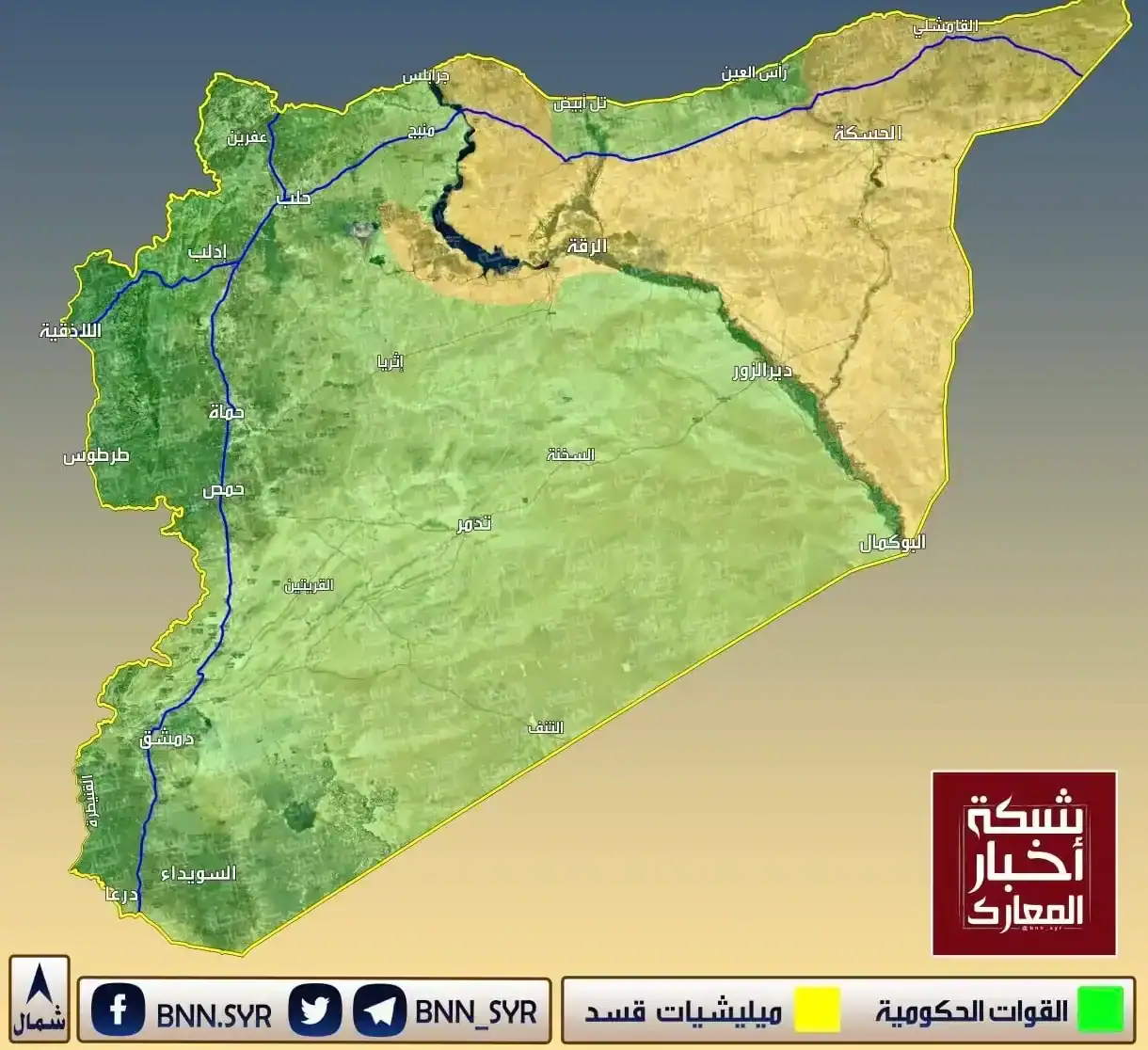
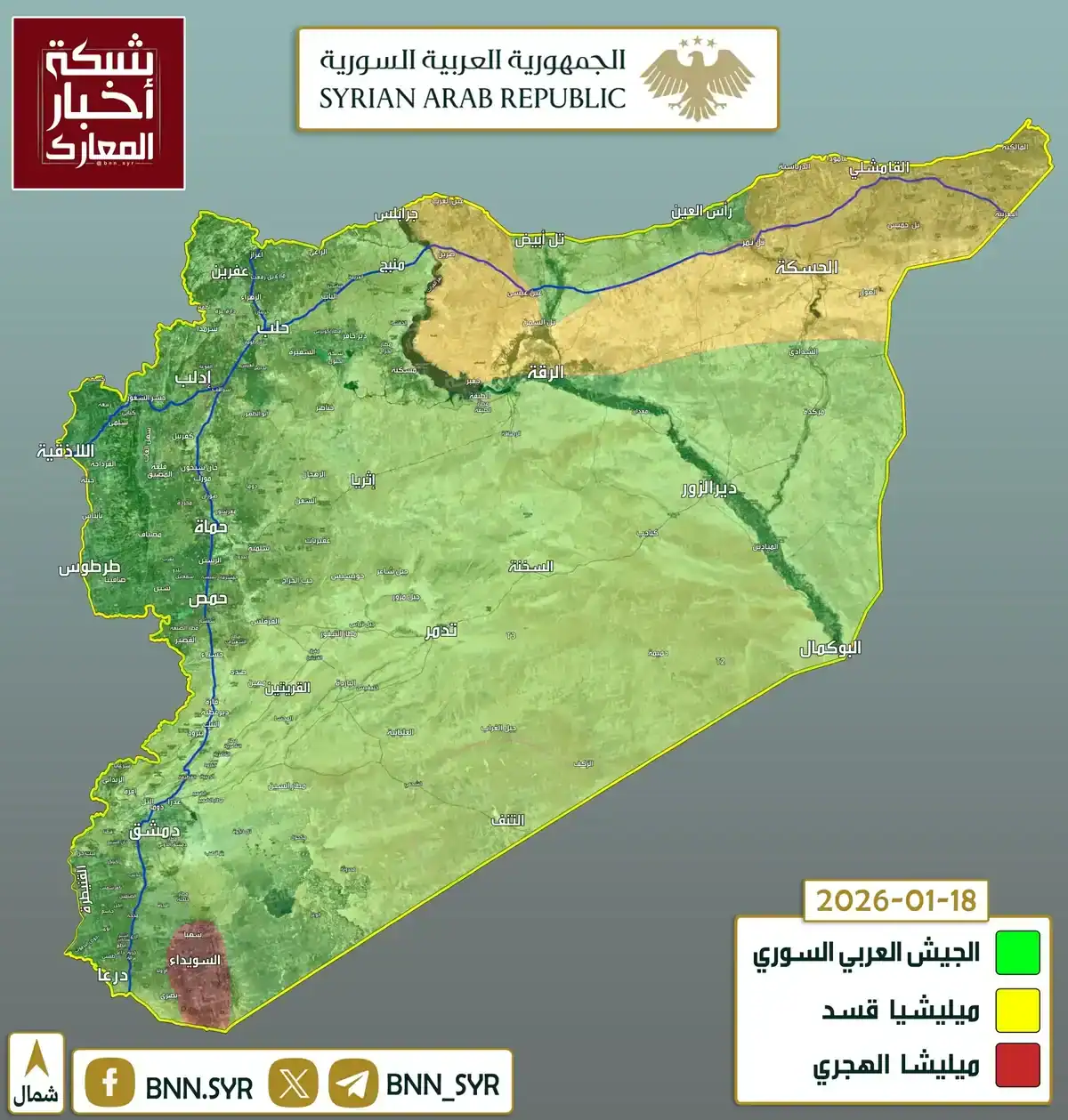
On Friday, January 16, the leader of the Syrian Kurds and SDF commander Mazloum Abdi pledged to redeploy his forces from areas outside Aleppo to the east of the Euphrates River. However, on Saturday the SDF said Damascus had “violated recent agreements and betrayed our forces.” Clashes then broke out south of Tabqa.
Currently, the advance is being led by pro-government Arab tribal militias, which are rapidly taking control of areas with predominantly Arab populations. The takeovers are occurring largely without fighting, as Kurdish fighters prefer to withdraw in advance rather than engage.
The Syrian Oil Company announced that army forces have taken control of oil and gas fields in Deir ez-Zor province — Al-Omar, Al-Tank, Koniko and Al-Jafra — located on the east bank of the Euphrates.
Fighting between the Syrian army and Kurdish forces erupted against the backdrop of a stalemate in talks between Damascus and the SDF over an agreement reached in March 2025. The deal provided for the integration of SDF forces and the transfer of control over state institutions to the central government. Under the agreement, the Kurds were to hand over control of border crossings and oil fields in the northeast.
During the Syrian civil war, the SDF was regarded as the United States’ most important ally in the fight against the Islamic State. At the same time, the Syrian government accuses the SDF of tolerating supporters of former president Bashar al-Assad and members of the banned Kurdistan Workers’ Party (PKK) in its ranks.
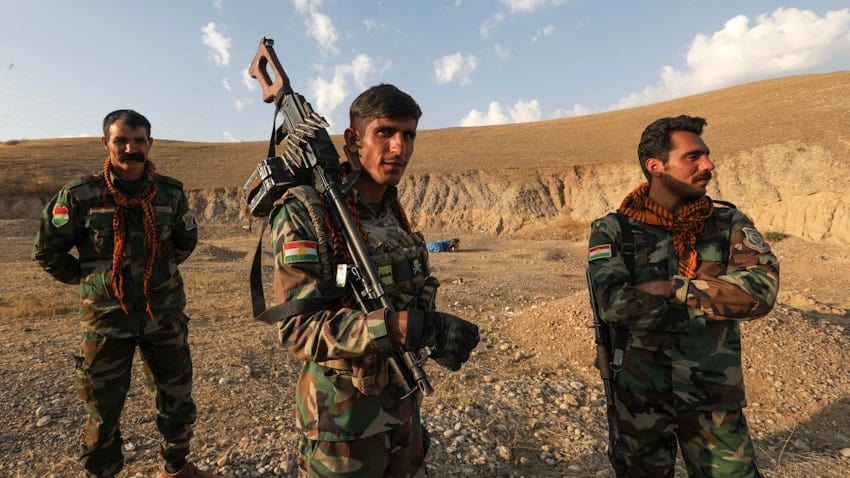
For their part, Kurdish representatives say they do not trust President al-Sharaa’s assurances that their rights will be protected. They also warn of a possible resurgence of the Islamic State.
Senior US officials have expressed concern that a new Syrian military offensive against Kurdish forces could escalate into a broader campaign against the Kurds, threatening to destabilize Syria and further strain relations between two key US security partners fighting the Islamic State.
The Syrian Ministry of Defense’s media and communications department later said that “we have no military deployment east of the Euphrates, and the Ministry of Defense has banned entry to the area,” adding that the SDF is being challenged by tribes that are “rising in response to oppression.”
Підтримати нас можна через:
Приват: 5169 3351 0164 7408 PayPal - [email protected] Стати нашим патроном за лінком ⬇
Subscribe to our newsletter
or on ours Telegram
Thank you!!
You are subscribed to our newsletter