Popular
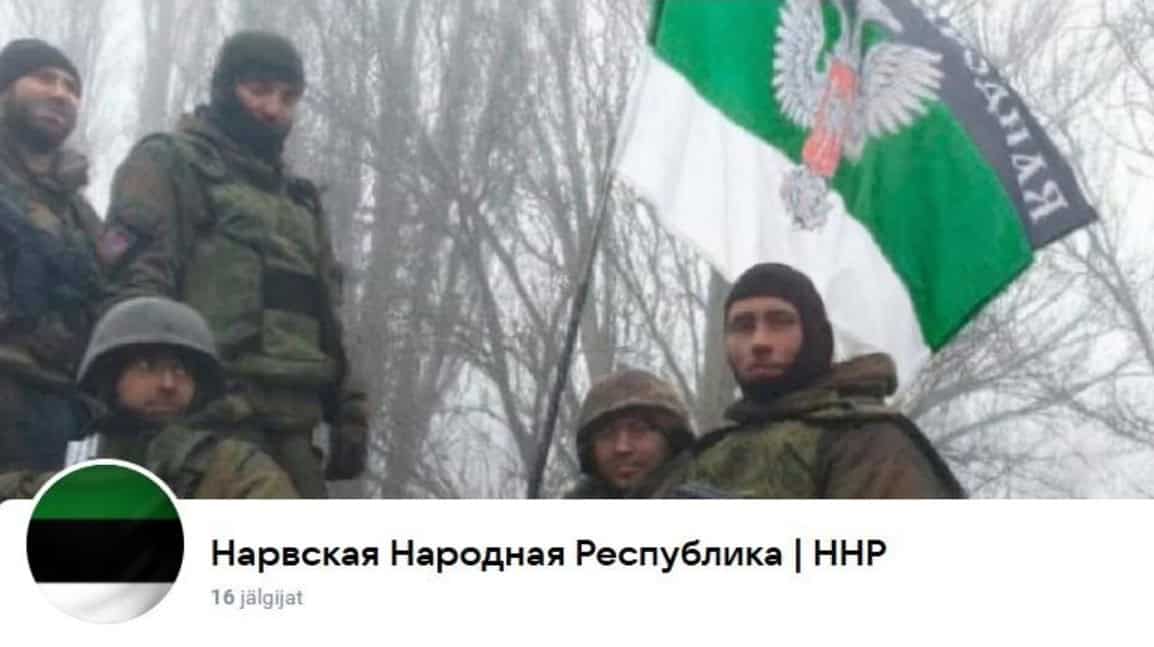
A journalist from the Baltic Sentinel gained access to a secret Telegram group where supporters of radical views are discussing plans to create a “Narva People’s Republic” in Estonia.
The Baltic Sentinel published the report.
In the closed chat, members coordinate efforts to destabilize the situation in the Estonian city of Narva. They spread pro-Russian narratives, call for the separation of border regions, and aim to undermine Estonia’s sovereignty.
To gain access, the reporter posed as a sympathizer of the separatists. He went through a multi-level vetting process by administrators who carefully screen new members to prevent information leaks. After passing the checks, the journalist was admitted to the community.
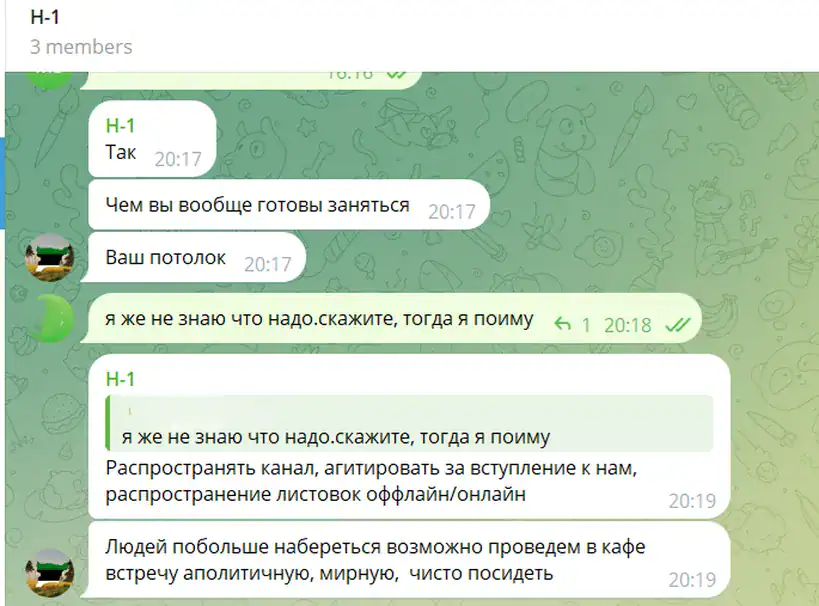
When asked about the group’s activities, the chat’s creator said that participants operate both online and offline.
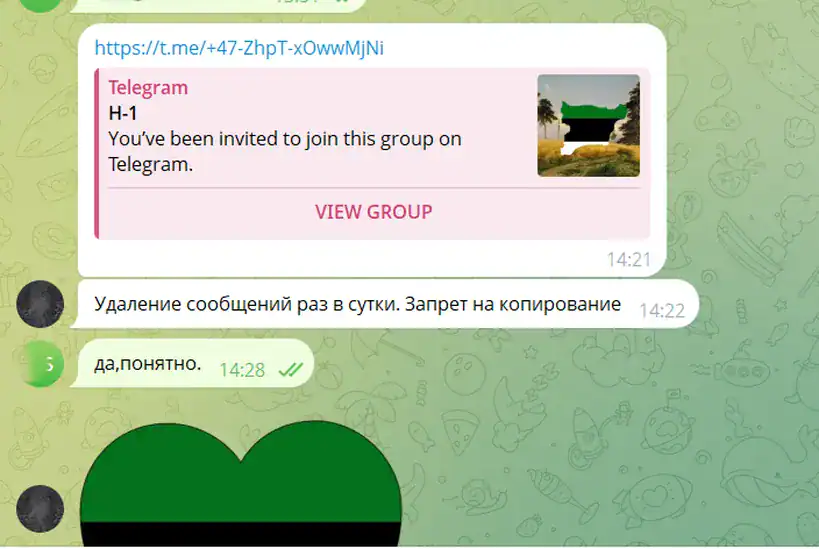
They promote the establishment of the Narva People’s Republic, plan meetings, and prepare efforts to destabilize the city and surrounding areas. As of March 20, 2026, the separatist channel had 500 members.
It is worth noting that this is not the first such activity in Estonia. Estonian security services have previously assessed similar campaigns as low-cost and simple information attacks aimed at undermining social unity.
Such projects are often aimed not at creating a real movement, but at launching an information narrative for the future – particularly to justify external interference or destabilization.
Narva remains a region with a predominantly Russian-speaking population, so the campaign actively uses symbolism and rhetoric similar to that seen in the Donbas in 2014.
Militarnyi previously reported that in February 2026, social media accounts appeared promoting the idea of separating Narva and the Ida-Viru County region from Estonia.
The content is distributed via platforms such as Telegram, VK, and TikTok. The materials are presented as memes, jokes, and internet images. Meanwhile, they promote the narrative of Narva as a separate political entity. One of the channels uses the slogan #WaitingForRussia and refers to the project as a “state.”
This is not the first such activity in Estonia. Estonian security services have previously assessed similar campaigns as low-cost and simple information attacks aimed at undermining social unity.
Such projects are often aimed not at creating a real movement, but at launching an information narrative for the future – particularly to justify external interference or destabilization.
Підтримати нас можна через:
Приват: 5169 3351 0164 7408 PayPal - [email protected] Стати нашим патроном за лінком ⬇
Subscribe to our newsletter
or on ours Telegram
Thank you!!
You are subscribed to our newsletter