


Popular

Japan launched 16 F-2 fighter jets armed with a total of 64 anti-ship missiles in response to increased activity by the Chinese navy in the region.
According to Japanese analyst Yoshihiro Inaba writing for Naval News, at least 16 F-2 fighters of the Japan Air Self-Defense Force (JASDF) were observed conducting training flights at Tsuiki Air Base on December 9, 2025.
Each aircraft was armed with four ASM-2 anti-ship missiles, which have a range exceeding 140 kilometers.
The ASM-2 missile is equipped with an infrared seeker, infrared countermeasure discrimination systems, and a database of target silhouettes used for identification.
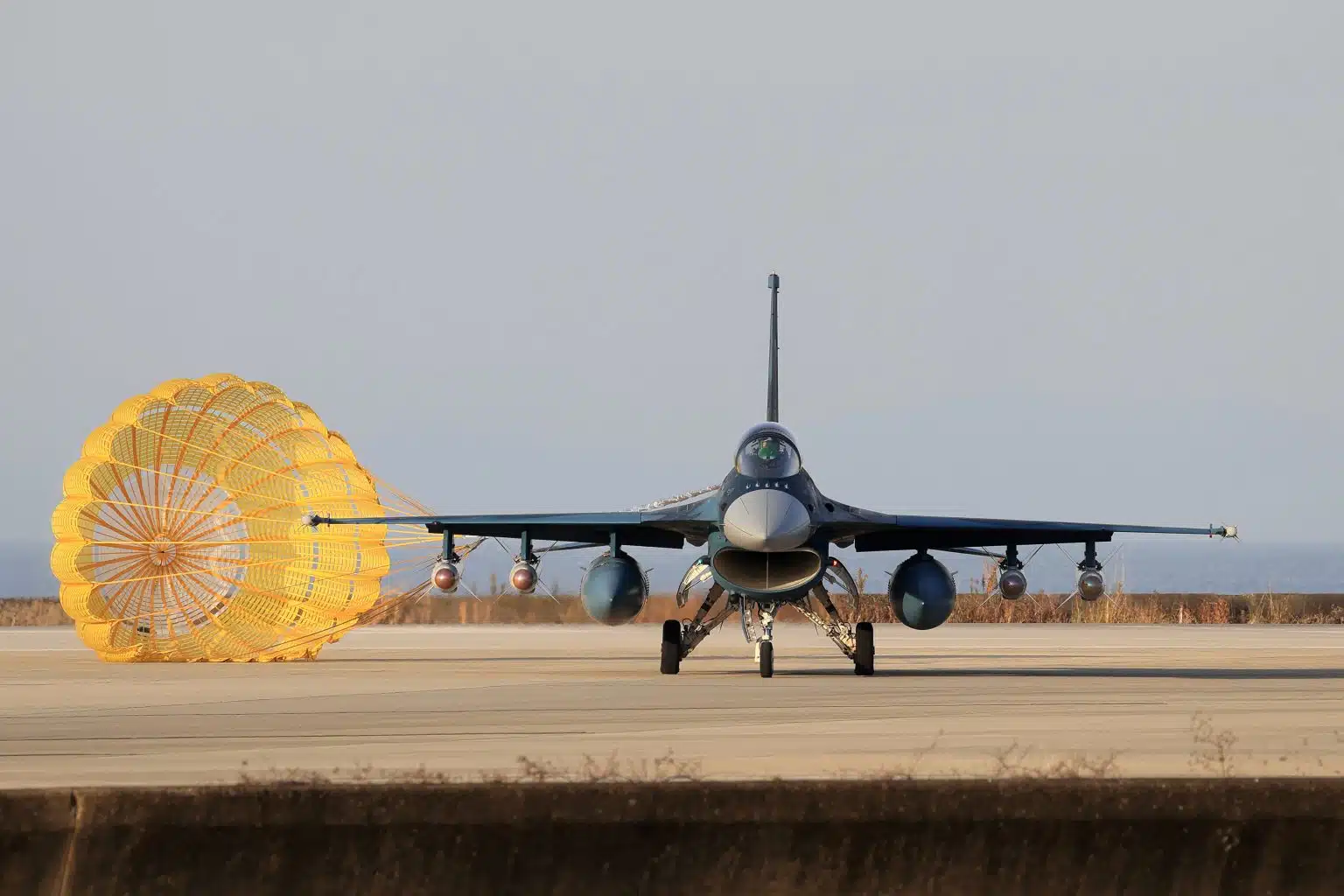
Tsuiki Air Base is home to two tactical fighter squadrons – the 6th and 8th – which operate F-2 fighter jets. Each squadron consists of 20 aircraft: 18 single-seat F-2A fighters and two twin-seat F-2B aircraft.
The simultaneous deployment of such a large number of aircraft armed with anti-ship missiles is an unusual occurrence for Japan.
The analyst suggests that these actions were intended to deter the Chinese People’s Liberation Army Navy’s Liaoning carrier strike group, which was operating near the island of Kyushu.
After passing through the Miyako Strait between Okinawa’s main island and Miyako Island on December 6, the aircraft carrier Liaoning suddenly changed course to the northeast in waters south of Okinawa, and on December 7 continued sailing in waters south of Kyushu.
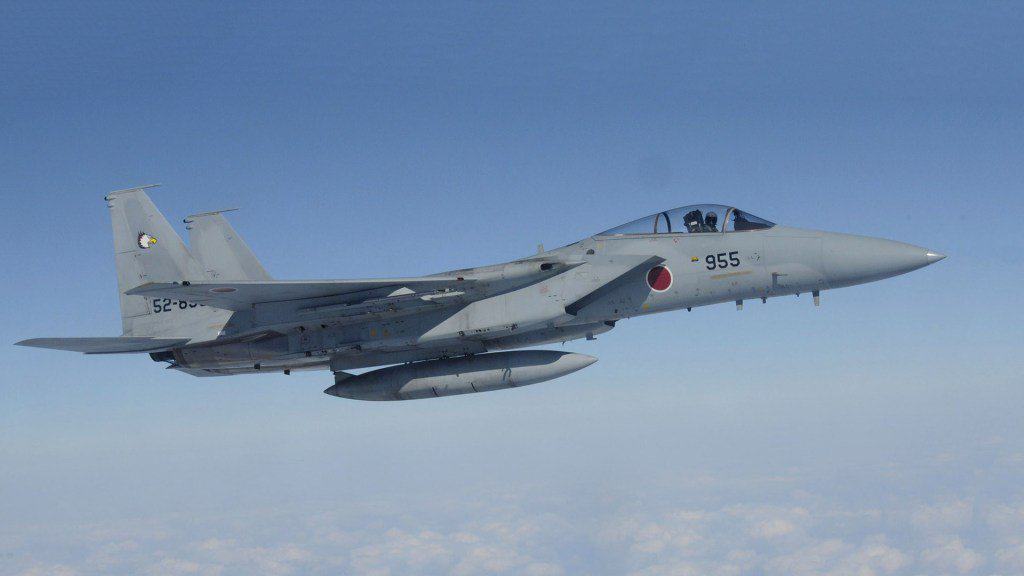
During this period, J-15 fighters based on the Liaoning used their radars to target Japanese F-15 fighters, leading to increased tensions between the Chinese military and Japan’s Self-Defense Forces.
Tensions between Tokyo and Beijing have increased following a statement by Japan’s new prime minister, Takaichi, who emphasized that the use of military force in a potential conflict over Taiwan could be considered a “situation threatening Japan’s survival.”
Such a classification would provide Japan with legal grounds to intervene.
Despite the absence of official diplomatic relations with Taipei, Japan opposes any unilateral attempts to change the status quo and calls for issues between China and Taiwan to be resolved through peaceful means.
Takaichi did not explicitly state that Japan is prepared to use military force in the event of an escalation around Taiwan; however, her position is clearer than those of previous governments and illustrates how Tokyo would assess a potential Chinese invasion.

Beijing, in turn, accused Takaichi of interfering in internal affairs and demanded that she withdraw her statement, but Tokyo insists on its position.
After Takaichi’s statements, Beijing began to take action. On November 16, four Chinese Coast Guard ships violated Japan’s territorial waters in the East China Sea.
They entered Japanese waters near the Senkaku Islands in Okinawa Prefecture, a region that Beijing considers disputed.
Also, during the demonstration of the latest Chinese hypersonic missile project, it was aimed at Japan.
Підтримати нас можна через:
Приват: 5169 3351 0164 7408 PayPal - [email protected] Стати нашим патроном за лінком ⬇
Subscribe to our newsletter
or on ours Telegram
Thank you!!
You are subscribed to our newsletter