






Popular
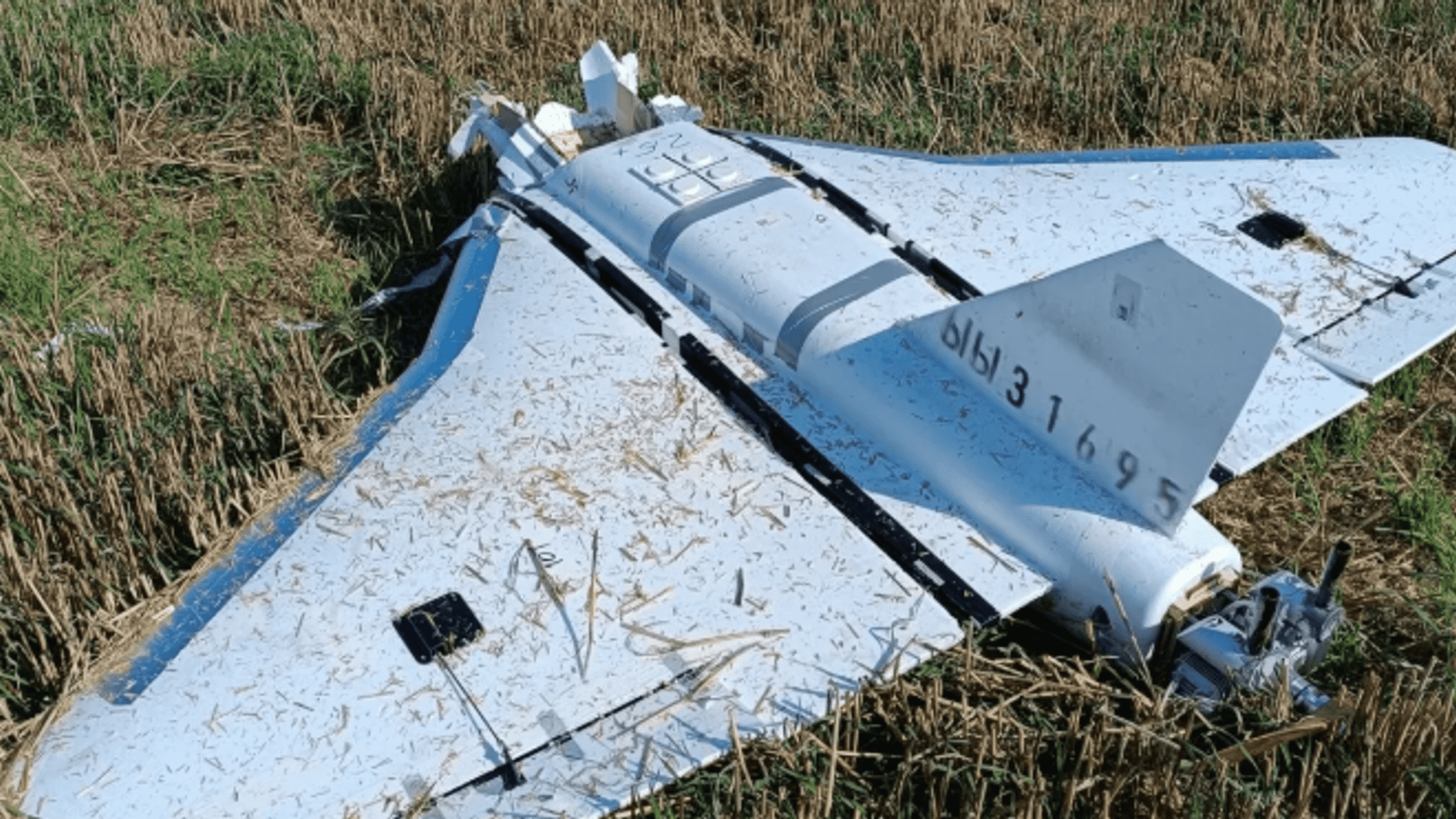
Russian Gerbera drones that flew into Poland on September 10 were found to have Iranian, four-channel CRPA jamming-resistant antennas for Tallysman’s satellite navigation.
A photo of the Gerbera that crashed in Poland with a CRPA antenna was published by Sky News.
CRPA antennas are used to counteract interference caused by electronic warfare: they are able to determine the direction from which the signal comes and thus filter out the false signal.
As a rule, to successfully counter CRPA antennas, additional false signal source is required. In other words, in the case of four-channel antennas, five electronic warfare systems are needed to counteract the drone in a coordinated manner.

Such antennas are widely used by the Ukrainian and Russian military as part of reconnaissance and attack drones at the operational and strategic levels.
The most advanced versions of Russian attack drones use twelve- or sixteen-channel antennas made in Russia or China. However, due to their high price, cheaper Iranian four-channel Tallysman antennas or unprotected civilian modules are installed on Gerberas, which are not tasked with hitting the target accurately.
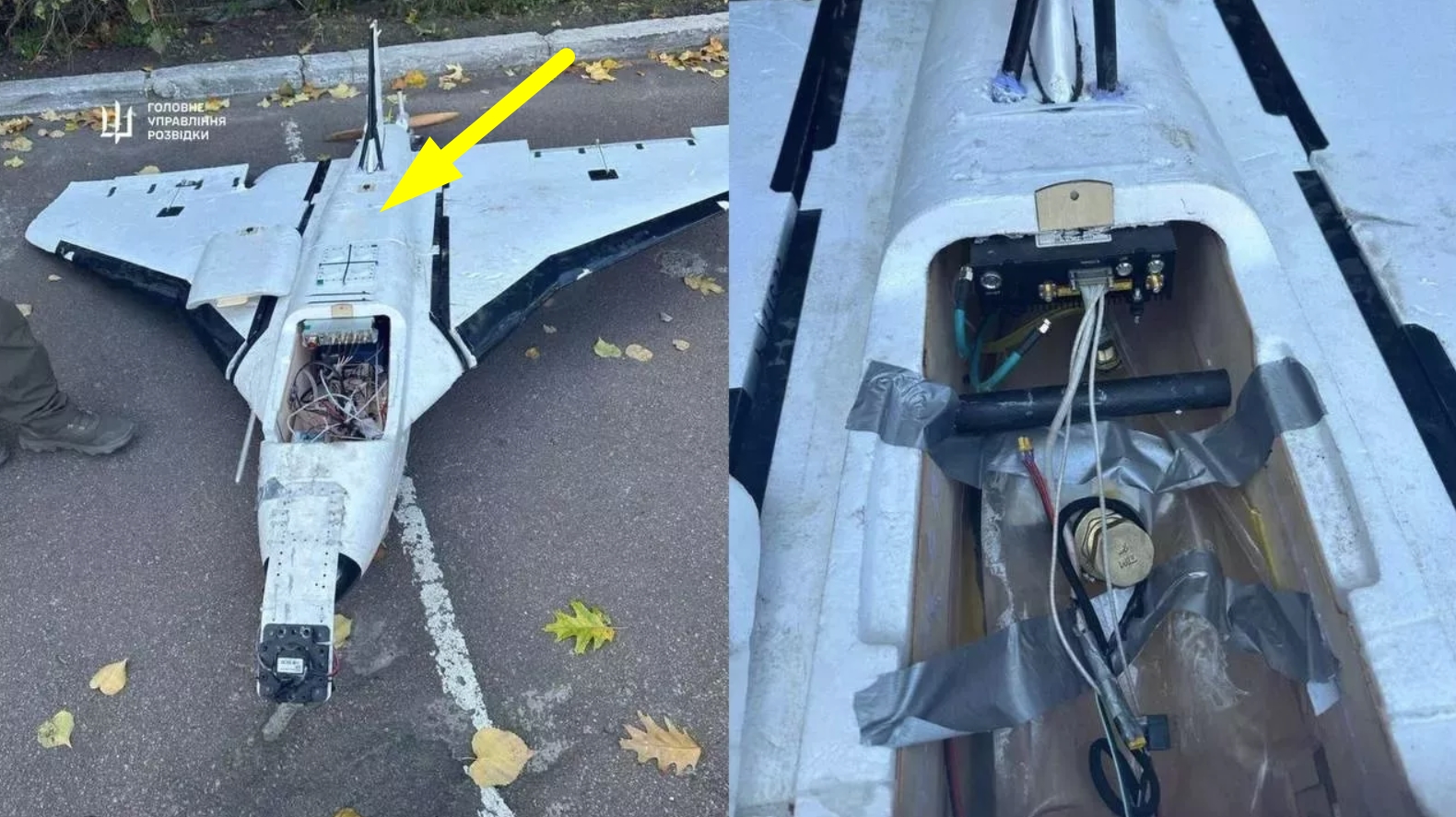
These antennas are also used in drones that have an additional navigation system. In particular, similar Tallysman antennas were found in the remains of a Shahed-236 drone with a thermal imaging system at the end of June 2025.
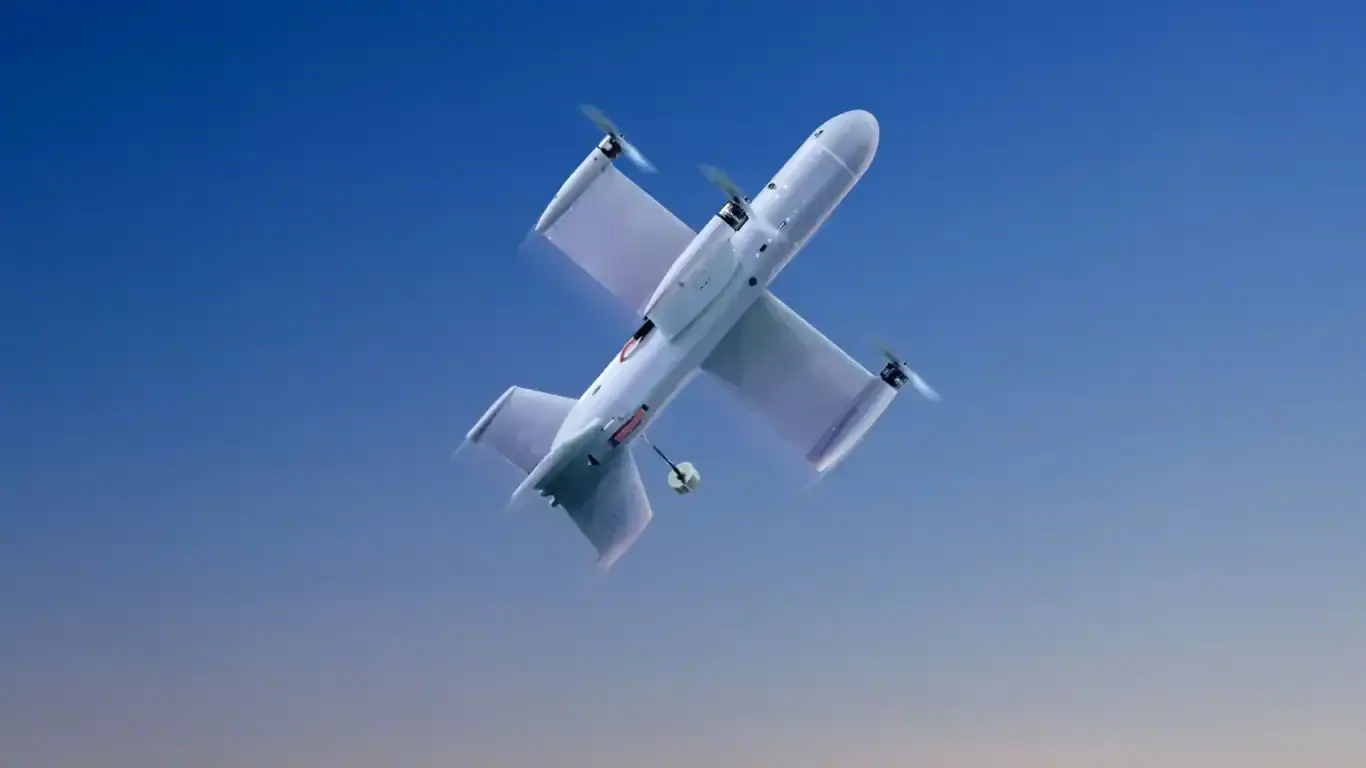
Although Gerbera drones are best known for their decoy format, they are designed as multi-purpose drones. They are also known to be used as airplane-type FPV strike drones and as reconnaissance drones.
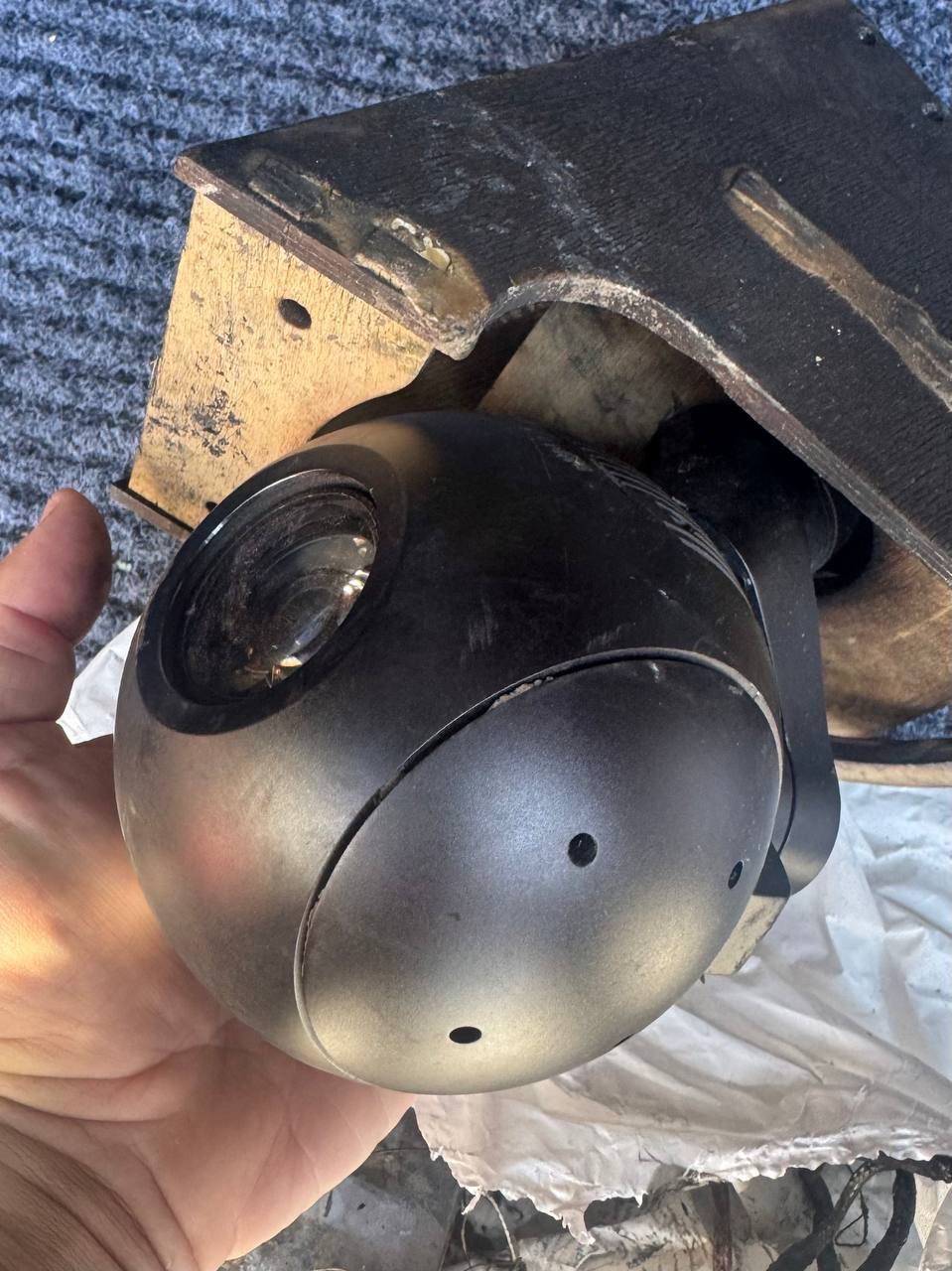
To perform reconnaissance missions, the Gerberas are equipped with Chinese cameras with a three-axis gimbal and MESH-modems.
As a reminder, on September 10, about two dozen Russian drones invaded Polish airspace during a large-scale missile and drone attack on Ukraine from Ukraine and Belarus. In response, Poland, together with the Netherlands, for the first time used aircraft to shoot them down. It was reported that Dutch F-35 fighters played a key role in neutralizing the drones.
In early September, Dutch F-35 fighters began patrolling in Poland as part of cooperation with NATO. The aircraft are stationed at a base in the village of Krzesiny near Poznan.
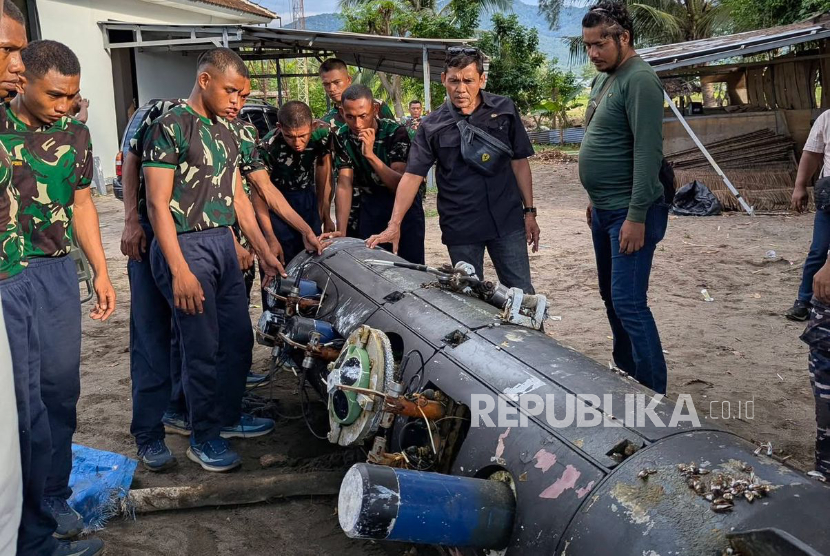
Analyzing the wreckage, it was found that before they were sent to Poland, the Russians had equipped the Gerberas with additional fuel tanks, which increased their range. This is what allowed the drones to reach Poland, as the flight range on a single tank is 700 kilometers.
Підтримати нас можна через:
Приват: 5169 3351 0164 7408 PayPal - [email protected] Стати нашим патроном за лінком ⬇
Subscribe to our newsletter
or on ours Telegram
Thank you!!
You are subscribed to our newsletter