



Popular
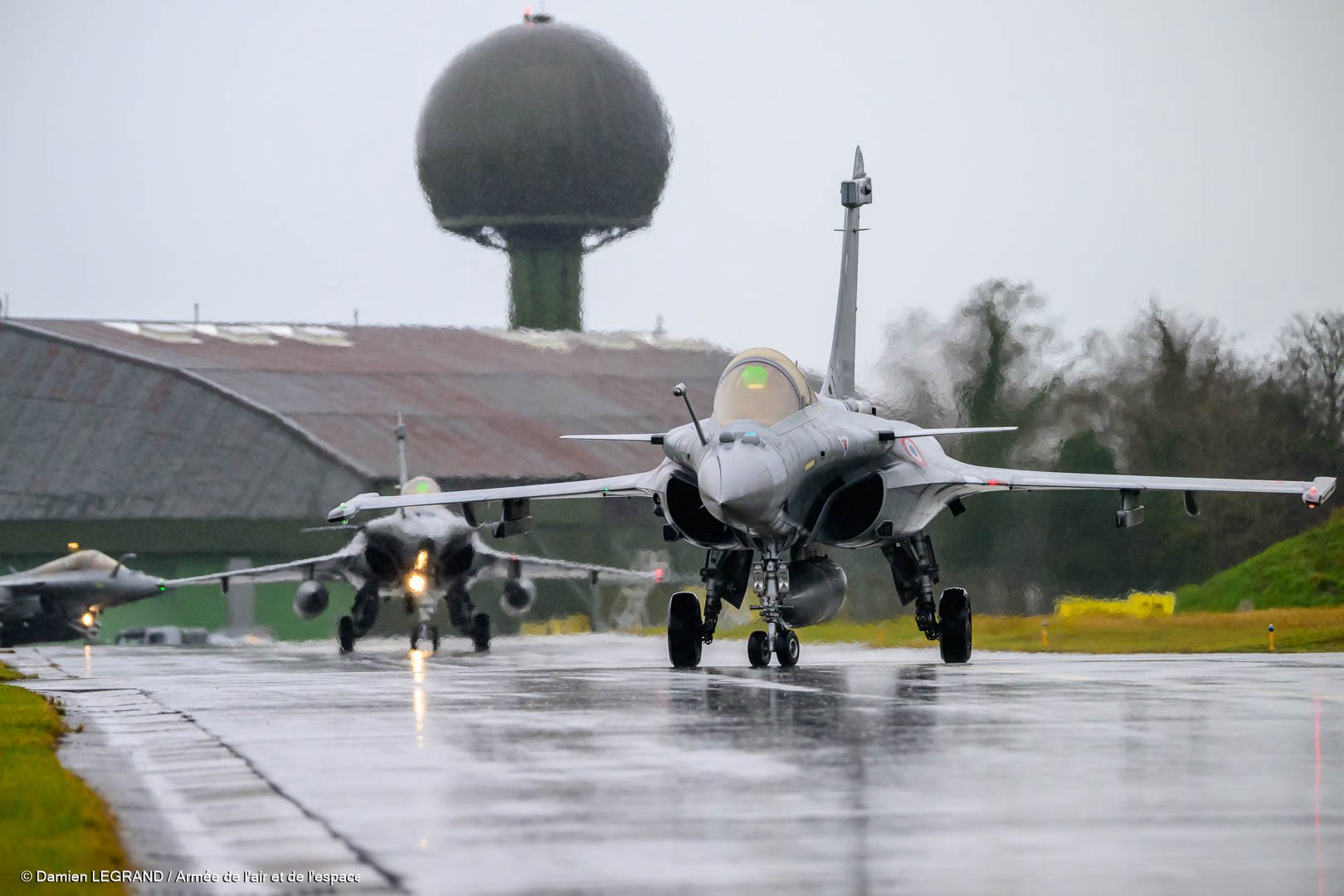
The French government has refused to provide India with the source code for the Rafale fighter jets’ electronic systems, which would have allowed India to modernize them independently.
Defence Security Asia reported on this.
The refusal concerns key elements of the avionics, specifically the Thales RBE2 radar, the MDPU modular data processing unit—which effectively serves as the aircraft’s “brain”—and the SPECTRA electronic warfare suite.
The French side considers these technologies to be highly sensitive and subject to strict protection.
Amid this decision, the question remains open about a large-scale deal to purchase up to 114 additional Rafale jets under India’s Multi-Role Fighter Aircraft (MRFA) program, estimated at approximately $36 billion.

Under the preliminary plan, 12–18 aircraft will be delivered from France in finished form. All other fighter jets are to be manufactured in India as part of the defense production localization program.
One of New Delhi’s key conditions is that at least 30% of the components in locally assembled aircraft be Indian-made. Against this backdrop, it is unclear whether France will transfer other aircraft technologies to India.
Control over the source code is of strategic importance, as it determines the ability to integrate national weapons systems and carry out extensive modernization of the aircraft without the manufacturer’s involvement.
Source code is a set of software instructions that defines exactly how the electronics work.
At the same time, according to available data, Russia is offering India full access to the source code of the fifth-generation Su-57E fighter jet, including design documentation and the right to make changes.
Thus, France’s refusal effectively means that India will remain dependent on Paris’s approval to carry out significant upgrades or changes to onboard systems’ functionality.
Furthermore, in the event of political changes, India risks facing restrictions on access to avionics updates, which could potentially impact the combat capabilities of its air force.
Підтримати нас можна через:
Приват: 5169 3351 0164 7408 PayPal - [email protected] Стати нашим патроном за лінком ⬇
Subscribe to our newsletter
or on ours Telegram
Thank you!!
You are subscribed to our newsletter