


Popular

A German Navy signals intelligence vessel closely monitored Russian naval exercises in the Baltic Sea, according to a report by Russian sailors aired on the Russia 1 television channel.
The German ship, FGS Oste (A52), maintained visual contact with Russian warships as they carried out missions during the July Storm drills held in international waters of the Baltic.
At one point, Oste entered an area designated for live-fire exercises, prompting the crew of the Russian small missile ship Burya (Storm) to establish communication and request a course adjustment for safety reasons.
It is possible that the German signals intelligence vessel was not only directly monitoring the Russian military exercises but also recording the electronic signatures of Russian vessels such as radar frequencies, communications systems, and radio-controlled weaponry.
FGS Oste, along with other ships of the Type 423 class, is equipped with advanced systems for intelligence gathering, monitoring, and data analysis across the electromagnetic spectrum.
In the footage, during the observation, a Russian missile ship was preparing to launch surface-to-air missiles from the 3M89 Palash system and was actively exchanging radio communications with other Russian Navy vessels.
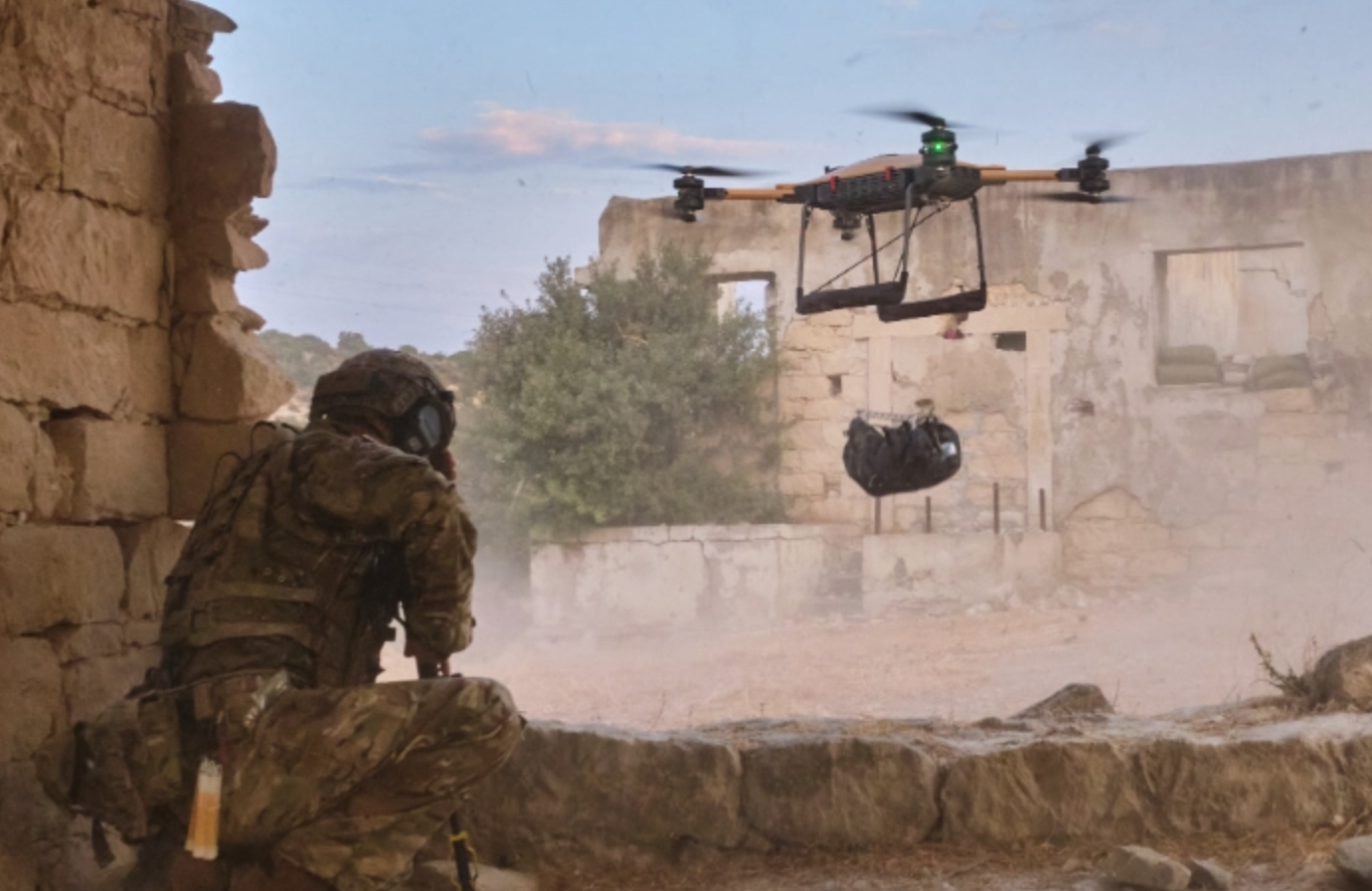
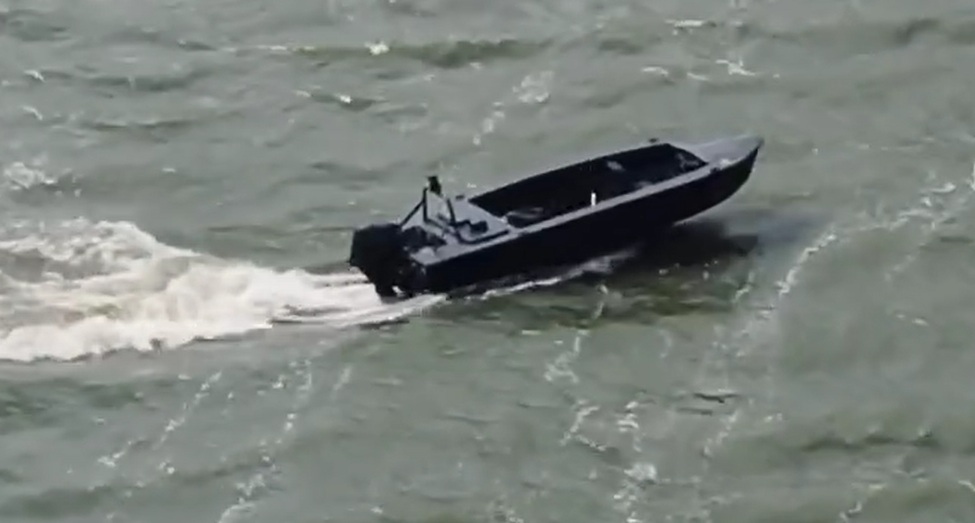
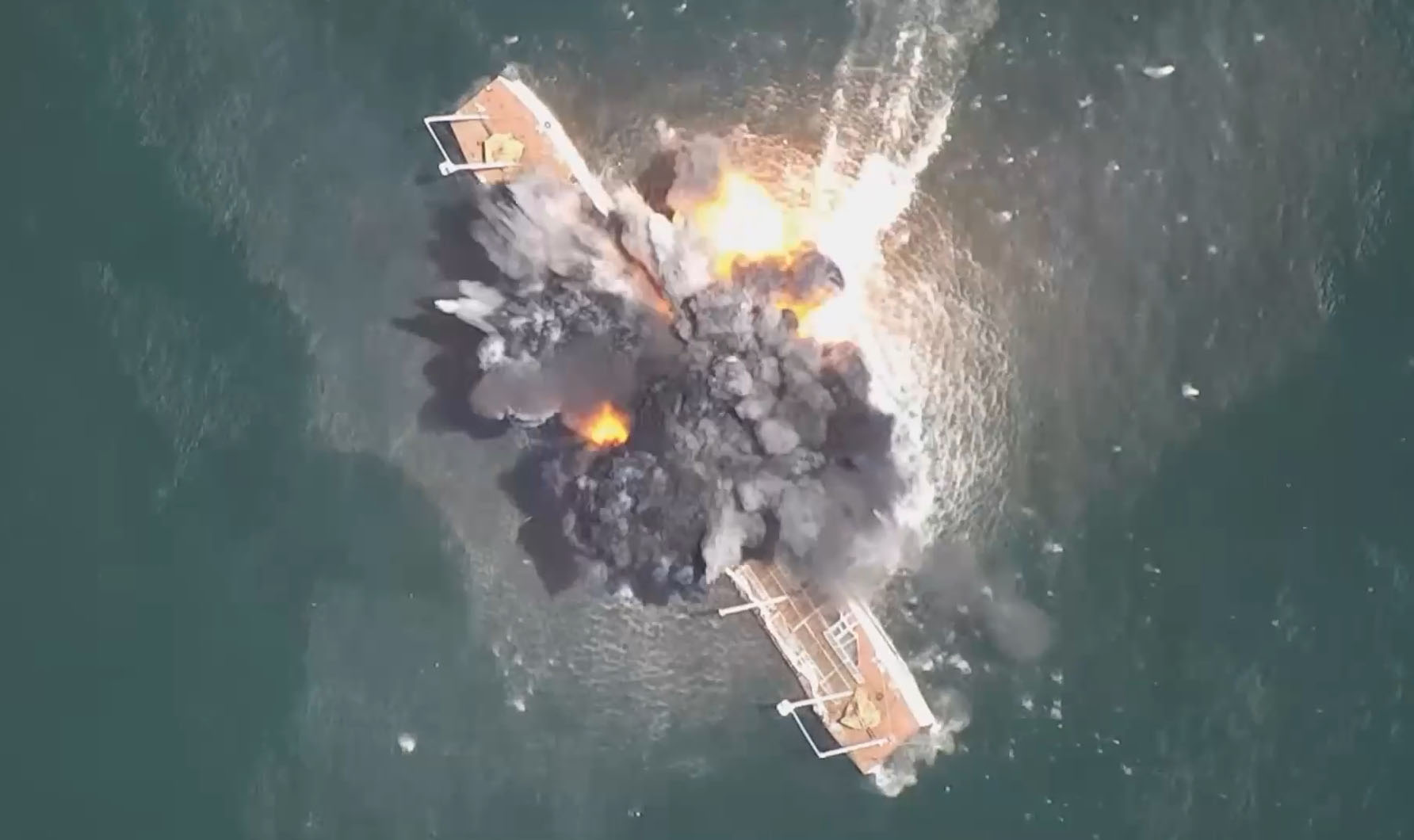
Additionally, it is known that one of the key focuses of the July Storm drills was the deployment of a new type of weapon – naval strike drones. Russian unmanned surface vessels reportedly succeeded in sinking a mock enemy ship.
Alongside the maritime drone, the exercises also featured FPV drones and as-yet-unidentified underwater unmanned vehicles. Their purpose and technical specifications have not been officially disclosed.
Back in May 2024, the Russian Navy announced the formation of specialized naval regiments for unmanned systems – marking a new element in the structure of Russia’s armed forces.
These new units are expected to be equipped with a wide range of robotic technologies, including aerial, ground-based, surface, and underwater drones.
Studying the control and data transmission frequencies of Russian unmanned systems, as well as the tactics and algorithms governing their use, could prove highly valuable for the naval forces of European countries as they prepare for potential confrontations in the Baltic region.
Підтримати нас можна через:
Приват: 5169 3351 0164 7408 PayPal - [email protected] Стати нашим патроном за лінком ⬇
Subscribe to our newsletter
or on ours Telegram
Thank you!!
You are subscribed to our newsletter