





Popular

Germany is developing a morphing wing for drones that allows them to dynamically change their configuration in flight.
The German Center for Aeronautics and Astronautics (Deutsches Zentrum für Luft- und Raumfahrt) is developing the MorphAIR project.
The Hyperelastic Trailing Edge Morphing (HyTEM) concept allows the geometric shape of the wing to change during flight and optimize its performance according to mission requirements.
Most airplane wings use hydraulic mechanisms to change shape and control flight.
The idea was borrowed from birds: the unique morphing structure of their wings allows them to dynamically change their configuration depending on the conditions.
The concept of a flexible or morphing wing has great potential.
As aircraft speeds increase, the aerodynamic load on the wing increases, and any seam or protrusion affects fuel consumption.
This is doubly important for military aircraft: morphing aerodynamic surfaces open up opportunities to reduce the effective reflection area in the radio range, reduce the weight of mechanical drives, and thus increase the range, maneuverability, and survivability of the aircraft during combat.
The first morphing wing within the MorphAIR project has already been completed.
It has been integrated into the onboard electronics, and all functional tests have been successfully completed.
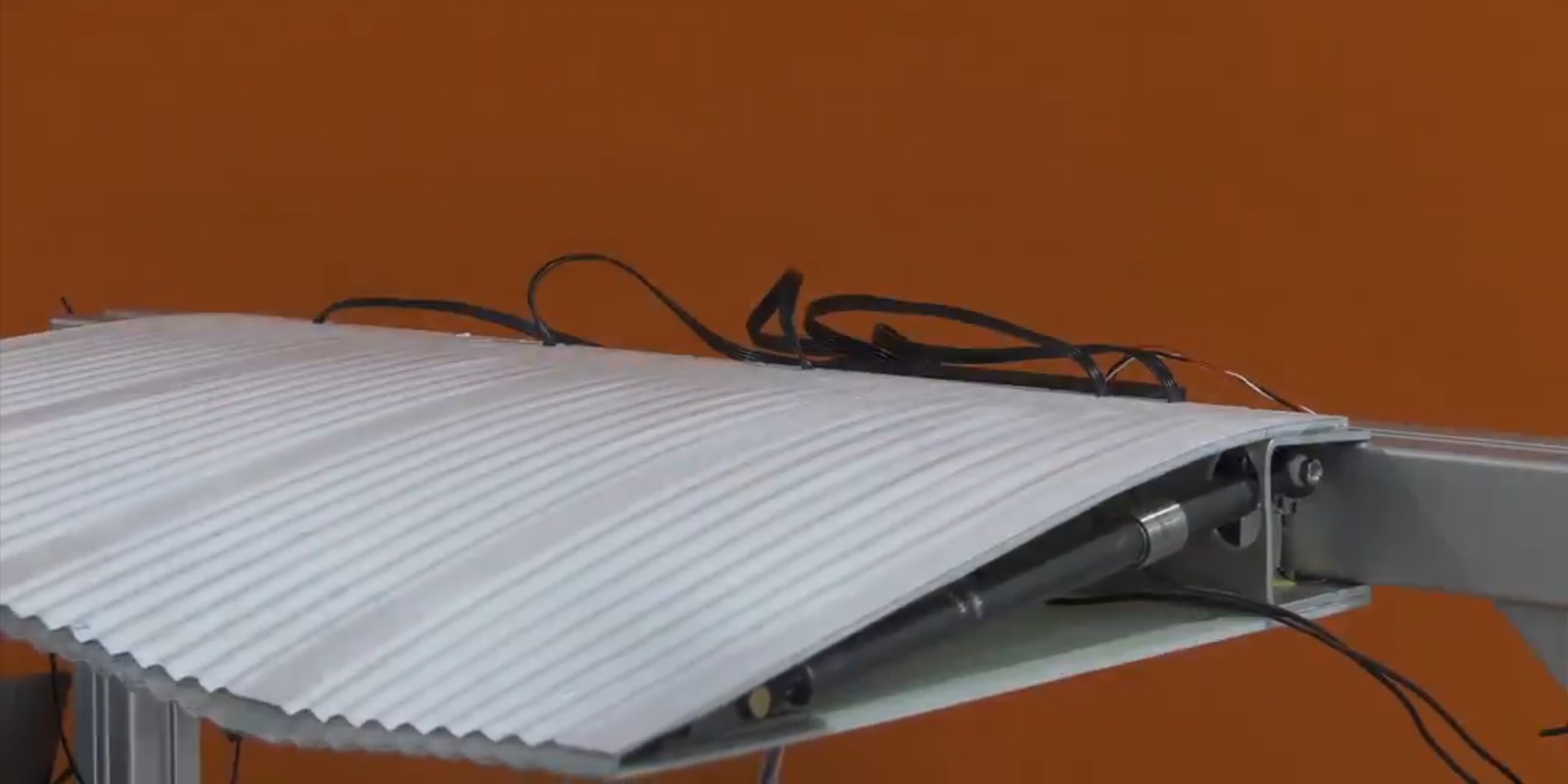
The tests confirmed the integrity of the system and the correct interaction of the morphing mechanisms with the flight control system.
The morphing wing is based on the geometry of a light aircraft and certified load standards, but has a fundamentally new architecture that allows for dynamic configuration in flight, providing greater efficiency and adaptability.
The design combines the functions of ailerons and flaps into a single intelligent system.
The next big step is a series of flight tests that will test the concept in real-world flight conditions on a PROTEUS drone.
“By using ten strategically placed actuators along half of the wing span, we can achieve unprecedented shape change and controllability within a fully composite structure,” the German Aerospace Center stated.
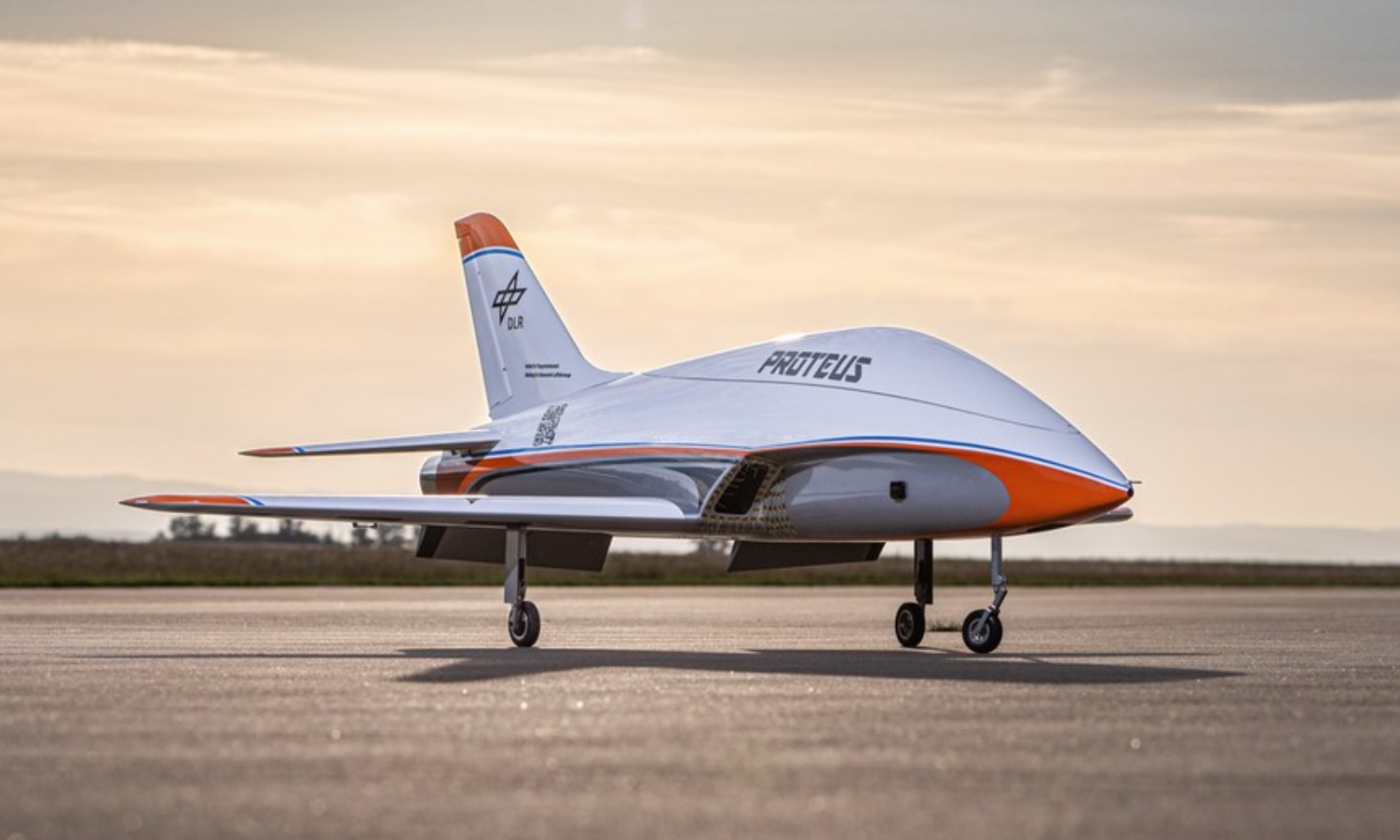
In addition, the adaptability of the design can improve flight safety, as the functions of the control surfaces can be distributed throughout the wing to compensate for possible failures of individual actuators.
“Imagine a wing trailing edge that can be precisely controlled to optimize lift, drag, and pitch rate – all in a fully sealed structure,” the Center added.
Підтримати нас можна через:
Приват: 5169 3351 0164 7408 PayPal - [email protected] Стати нашим патроном за лінком ⬇
Subscribe to our newsletter
or on ours Telegram
Thank you!!
You are subscribed to our newsletter