




Popular
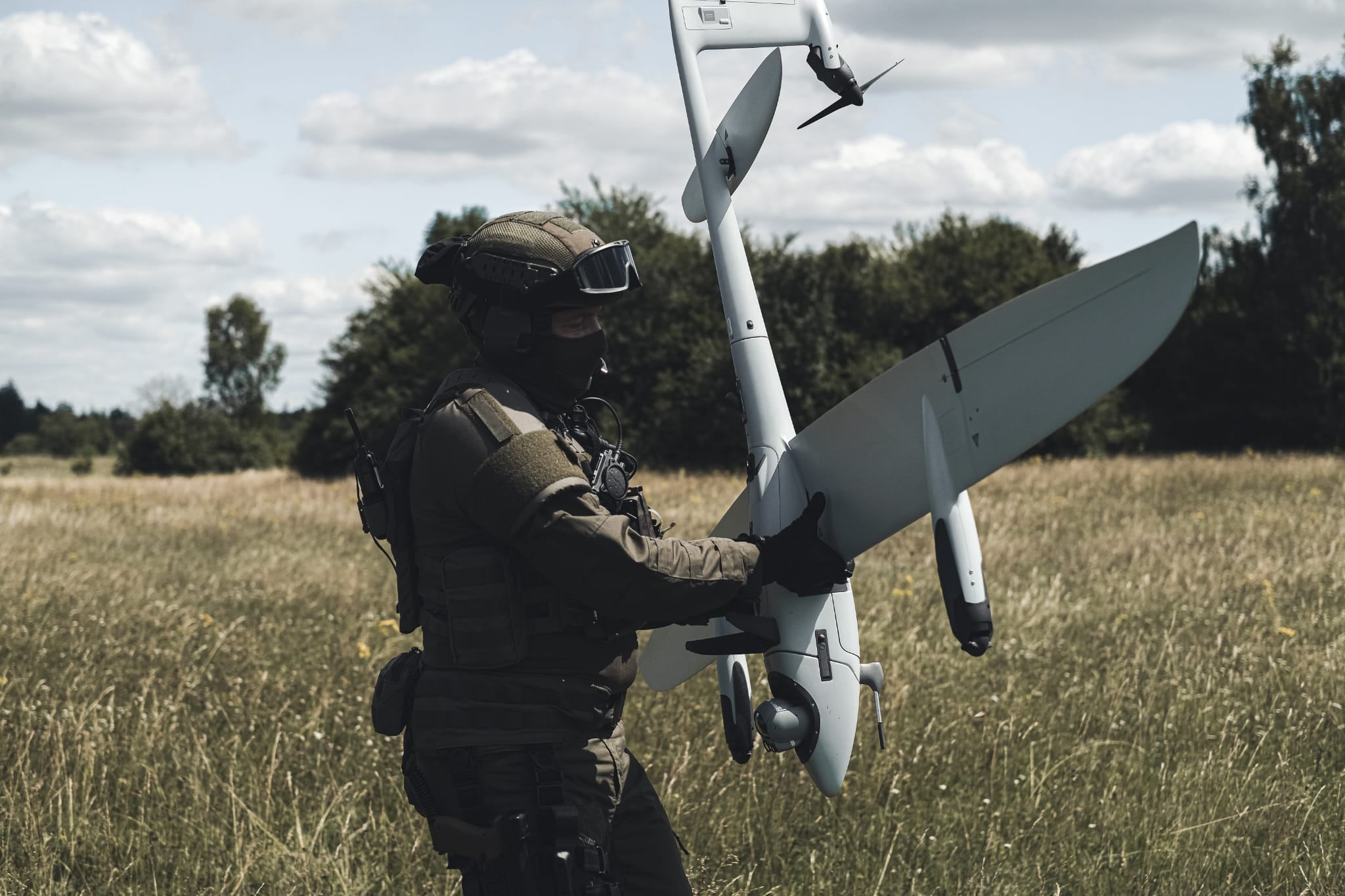
Experts say the future of warfare depends on drone standardization, which would allow militaries to stockpile systems in peacetime while maintaining flexibility in key components.
The analysis was published by the German defense outlet Hartpunkt.
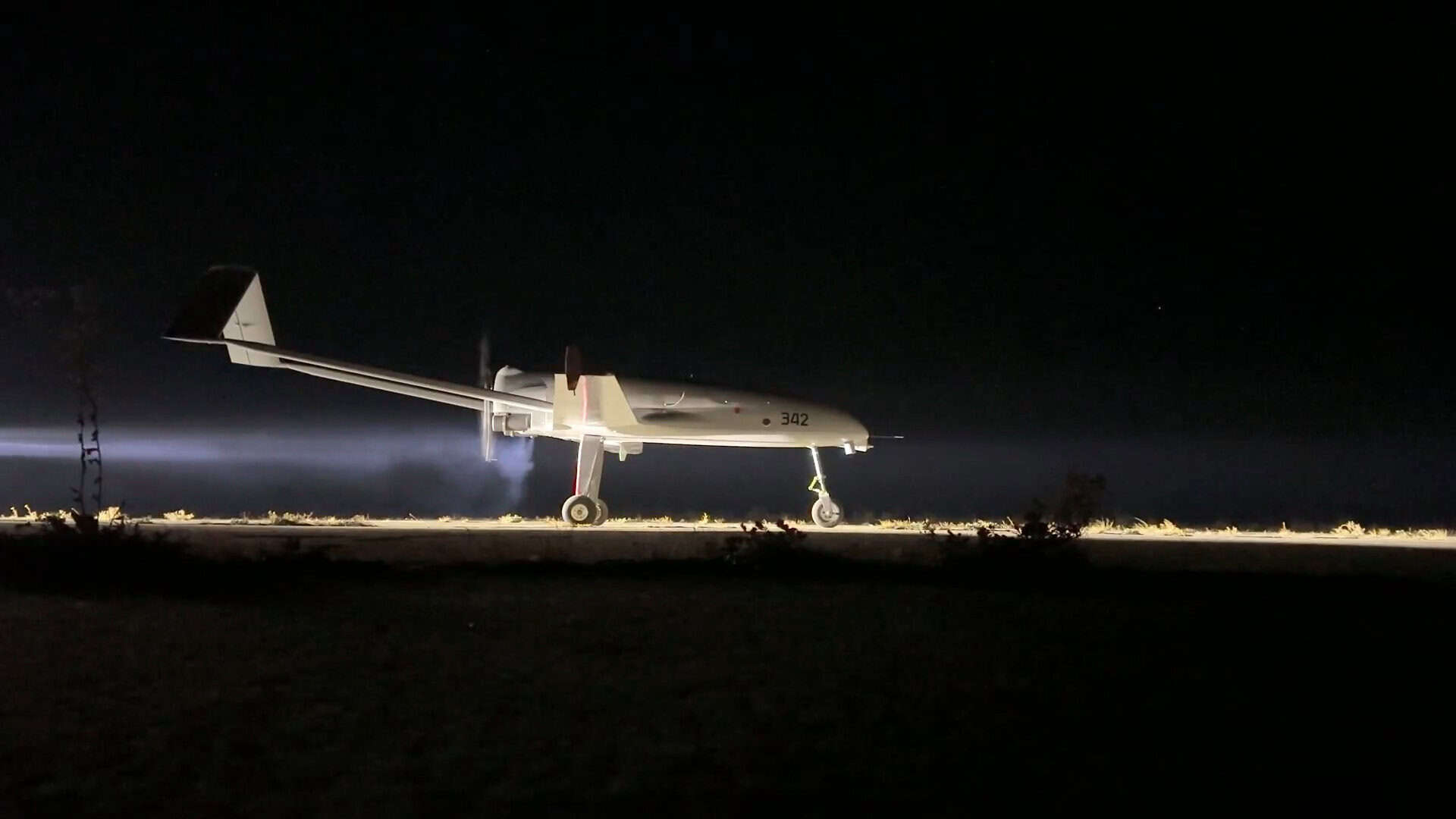
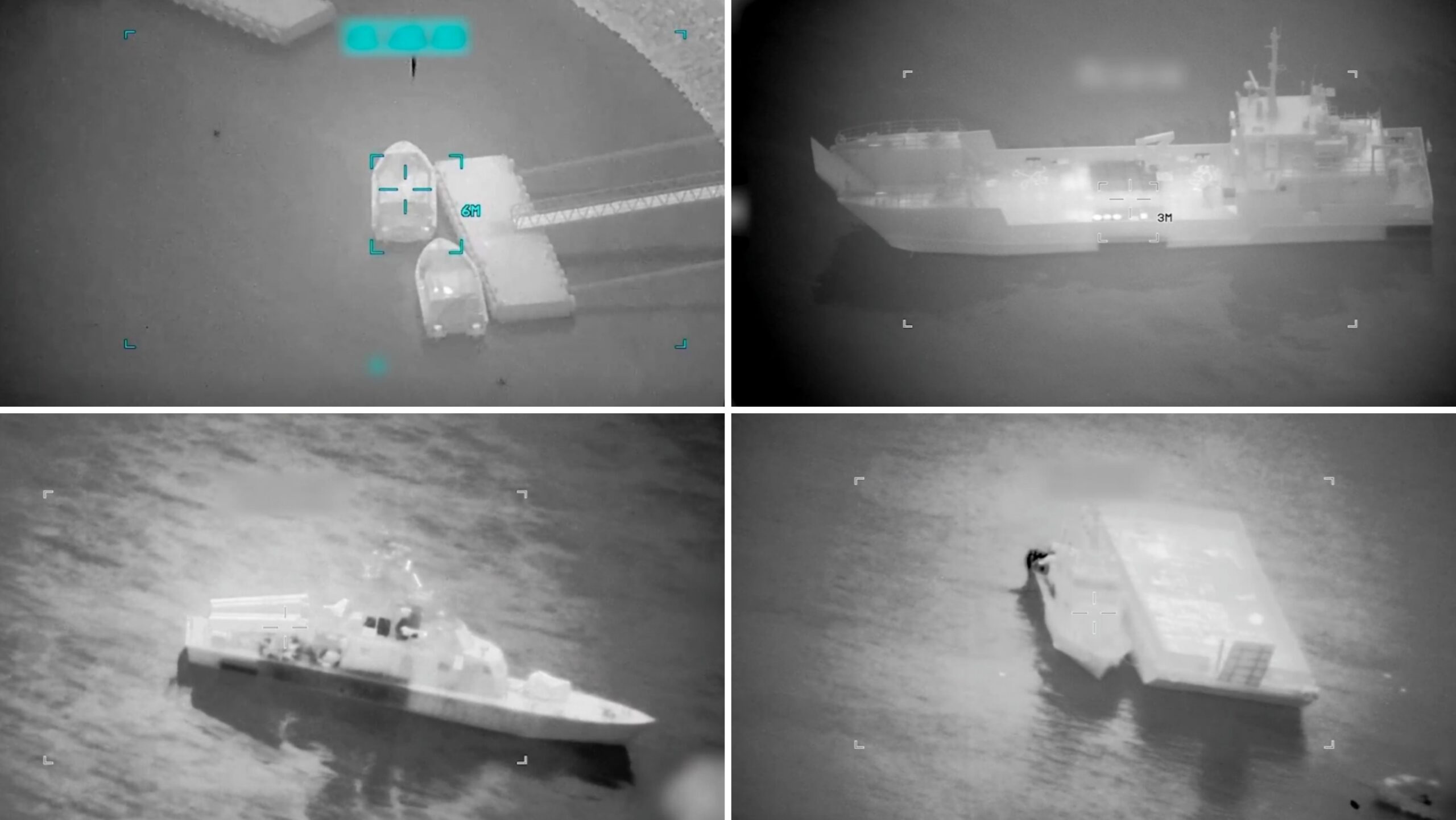
According to the publication, the war in Ukraine has become a powerful catalyst for drone development. Drones have already become a core element of modern combat operations, and their role on land, at sea and in the air will continue to expand.
Modern armed forces cannot afford to ignore these changes, Hartpunkt notes. But the rapid pace of drone innovation means that any platform entering service risks becoming obsolete almost immediately, regardless of procurement speed. This creates a dilemma for planners and procurement authorities.
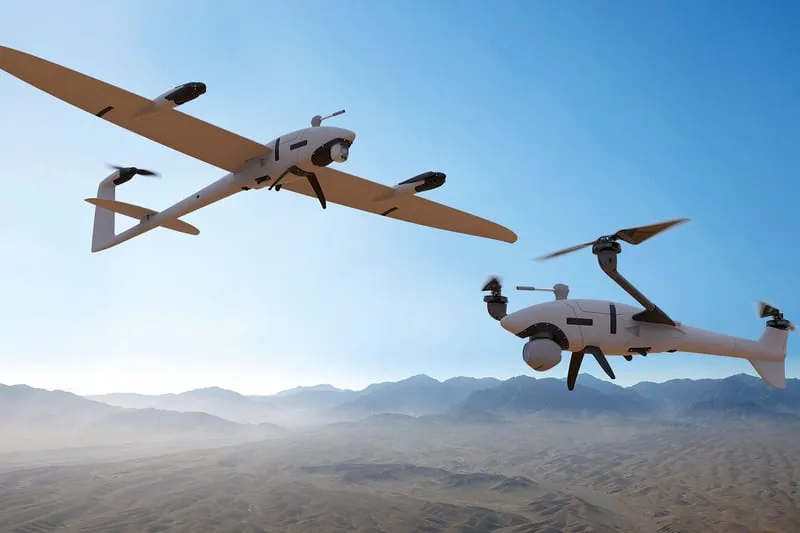
Even the most powerful military cannot afford to re-equip its forces with every new generation of drones, nor can it simply wait for the pace of development to slow. The risk of falling behind in conflict is too great. The solution, the publication argues, lies between these extremes.
Standardization — of both hardware and software — combined with adaptability through modularity is the approach favored by the Bundeswehr and German drone manufacturers. The assumption is that in wartime, industrial capacity will expand, and those who can produce faster and cheaper will prevail.
One example is power supply. NATO is working on standardizing “battery packs” of various sizes, shapes and functions so they can be used across all systems. Manufacturers of batteries and unmanned platforms are given specifications for installation space, connectors and exchange protocols.
But standardized power supplies can have drawbacks, a representative of e-Wolf, a battery manufacturer, told Hartpunkt. In one case, a customer switched from an off-the-shelf Chinese battery module to a custom-built design. The result was a unit 600 grams lighter, 30% smaller, and with 30% higher capacity.

A similar approach could apply to warheads. Experts suggest setting standard specifications for warheads of different calibers and stockpiling them in large quantities. New drone manufacturers could then quickly adapt and mass-produce strike drones using existing munitions.
Standardization is also seen as necessary in system control at the user interface level. Ideally, experts argue, an operator should be able to control multiple unmanned systems simultaneously, whether reconnaissance or strike, operating on land, sea or air.
The same applies to interfaces, ensuring maximum modularity of payloads and other subsystems. This would allow components procured years earlier to remain usable, similar to Picatinny rails standardized under MIL-STD-1913.
Experts stress that improvements to drone design should come not from research institutes but from frontline troops. Following the principle of “soldiers research — broadly and simply,” the military needs an institutional but accessible system for units to test new technologies with manufacturers under combat conditions. This would accelerate the maturity of technologies not yet ready for full deployment. Importantly, soldiers must be able to engage with manufacturers on equal terms.
In June, the German drone maker Quantum Systems introduced its MOSAIC UxS digital platform in Ukraine, designed to coordinate and control unmanned systems from different types and manufacturers.
Підтримати нас можна через:
Приват: 5169 3351 0164 7408 PayPal - [email protected] Стати нашим патроном за лінком ⬇
Subscribe to our newsletter
or on ours Telegram
Thank you!!
You are subscribed to our newsletter