



Popular
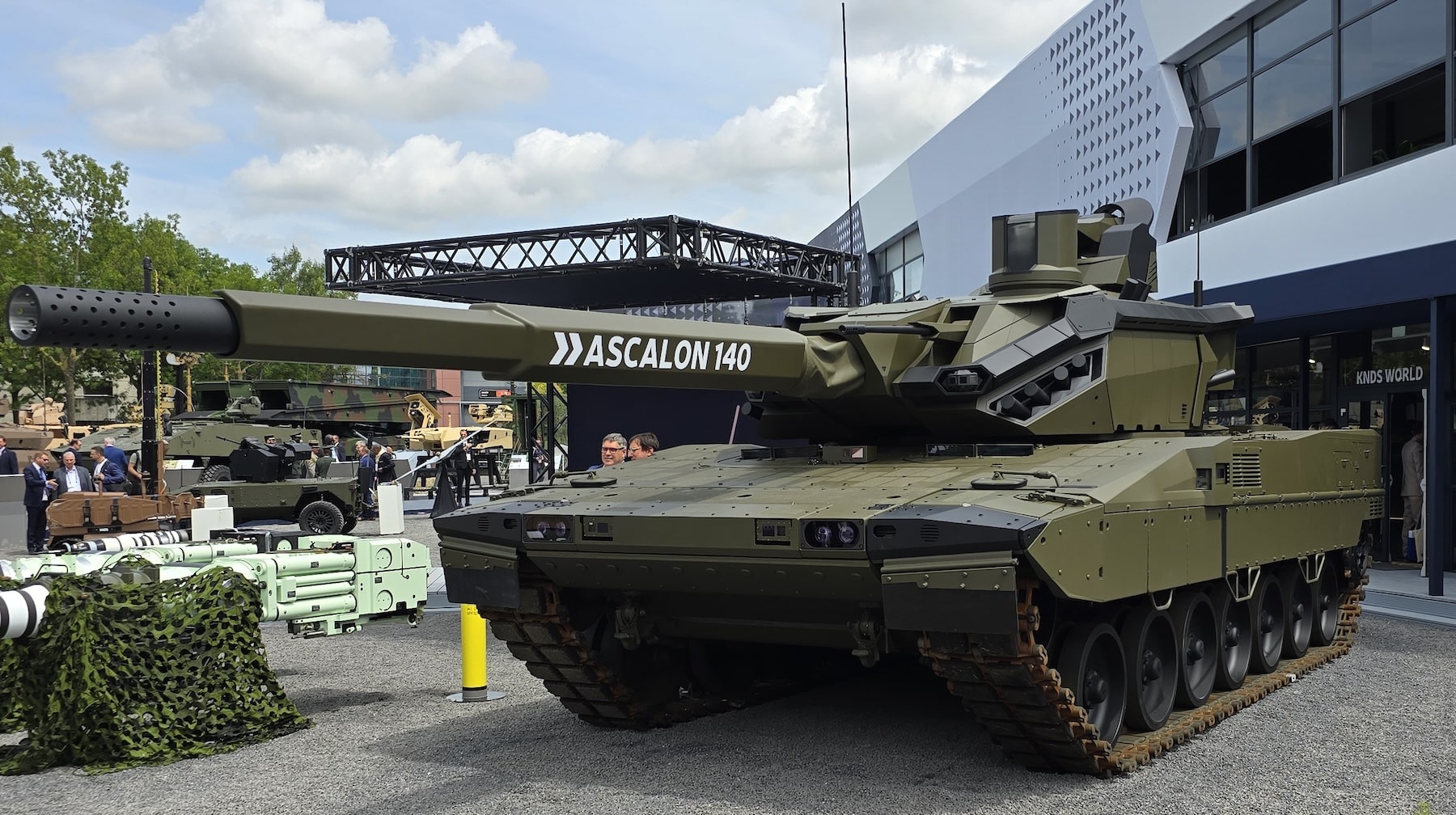
The European Commission has approved the allocation of €150 million under the sixth wave of projects funded by the European Defence Fund (EDF) for the development of a new main battle tank and a multiple-launch rocket system.
The Forces Operations reported on this.
The funding will be directed toward priority areas, including the tank segment and the development of rocket artillery systems independent of the United States.
The current phase focuses on the development of a combat vehicle demonstrator. Under technical requirements set by France and Germany, the new tank is expected to combine a high level of protection, improved mobility, and enhanced firepower.
The project also envisages a new approach to combat vehicle design. The tank is to be fitted with an autoloader capable of firing at least 20 different types of ammunition for various missions.

The tank will also be equipped with additional capabilities to engage armored and lightly armored targets, as well as systems designed to counter drones.
These measures are intended to improve battlefield survivability through the integration of active protection systems, direct drone interception capabilities, and missile-based and electronic countermeasures.
At present, Germany is the only European country that maintains a full tank production cycle from scratch. As a result, France, Italy, Spain, and the United Kingdom have expressed interest in jointly developing a new platform to re-equip their ground forces.

It is also noted that the tank fleets of several European countries remain limited, while their industrial and logistical bases are insufficient to sustain them.
For example, the French army has resorted to so-called technical cannibalization, dismantling reserve vehicles to maintain the operational readiness of around 200 Leclerc tanks across four regiments.
A similar situation exists in the United Kingdom. Despite having 228 Challenger 2 tanks, only 147 vehicles are set to undergo deep modernization to the Challenger 3 standard. The constraints are linked to the poor condition of hulls and a shortage of spare parts, which must be taken from other tanks to support repairs and upgrades.
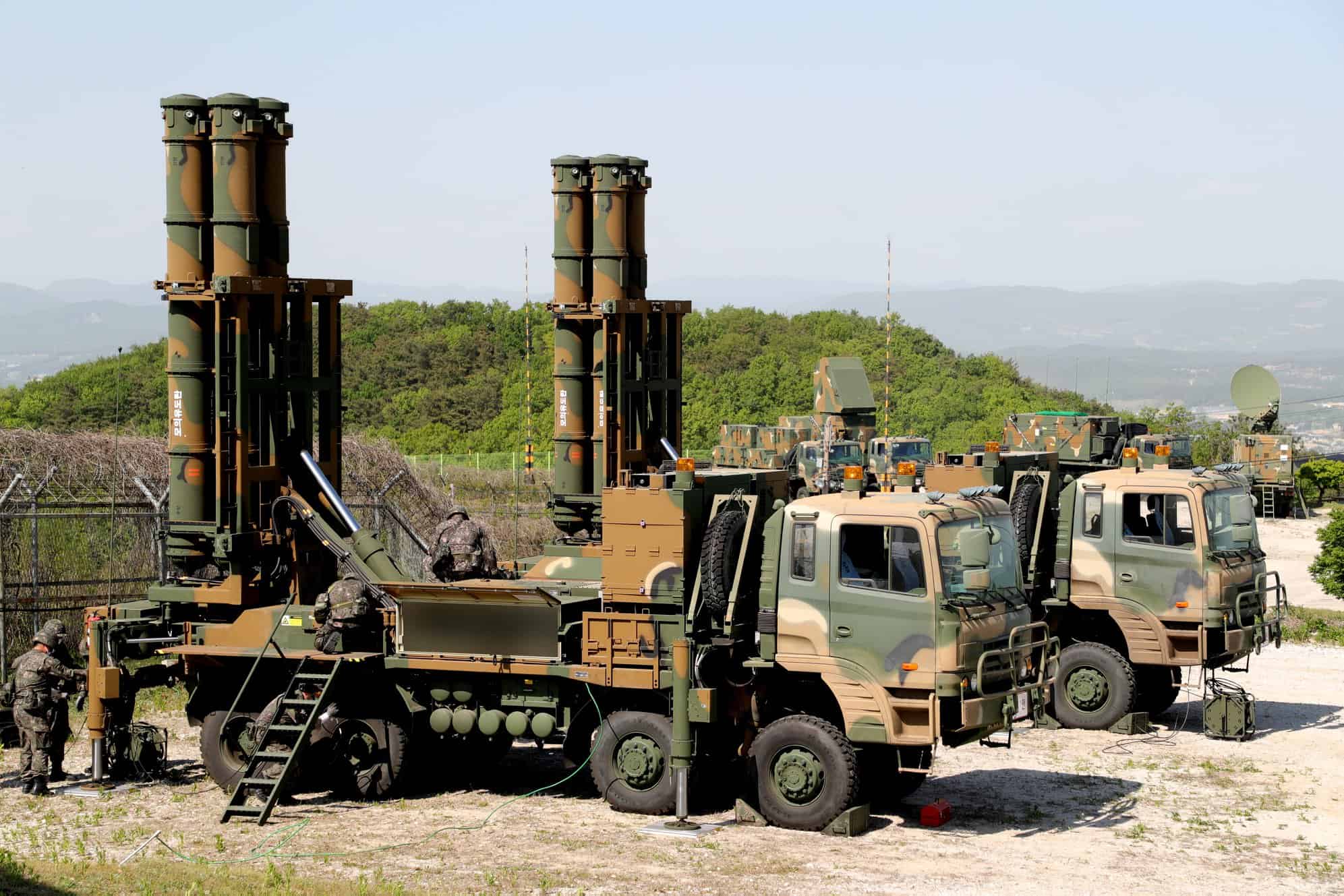
The second component of the funding is aimed at developing a next-generation multiple-launch rocket system.
The project is intended as a European response to the dominance of U.S.-made platforms such as HIMARS and similar systems on the global market.

According to the technical requirements, developers are designing a modular and scalable system with an emphasis on high-precision strikes in environments with heavy GPS jamming.
The system is expected to offer minimal launch preparation time and faster reload cycles, which are critical for survivability in modern counter-battery warfare.
The project also covers the ability to strike targets at ranges of up to 499 km using specialized types of missiles.
Підтримати нас можна через:
Приват: 5169 3351 0164 7408 PayPal - [email protected] Стати нашим патроном за лінком ⬇
Subscribe to our newsletter
or on ours Telegram
Thank you!!
You are subscribed to our newsletter