


Popular
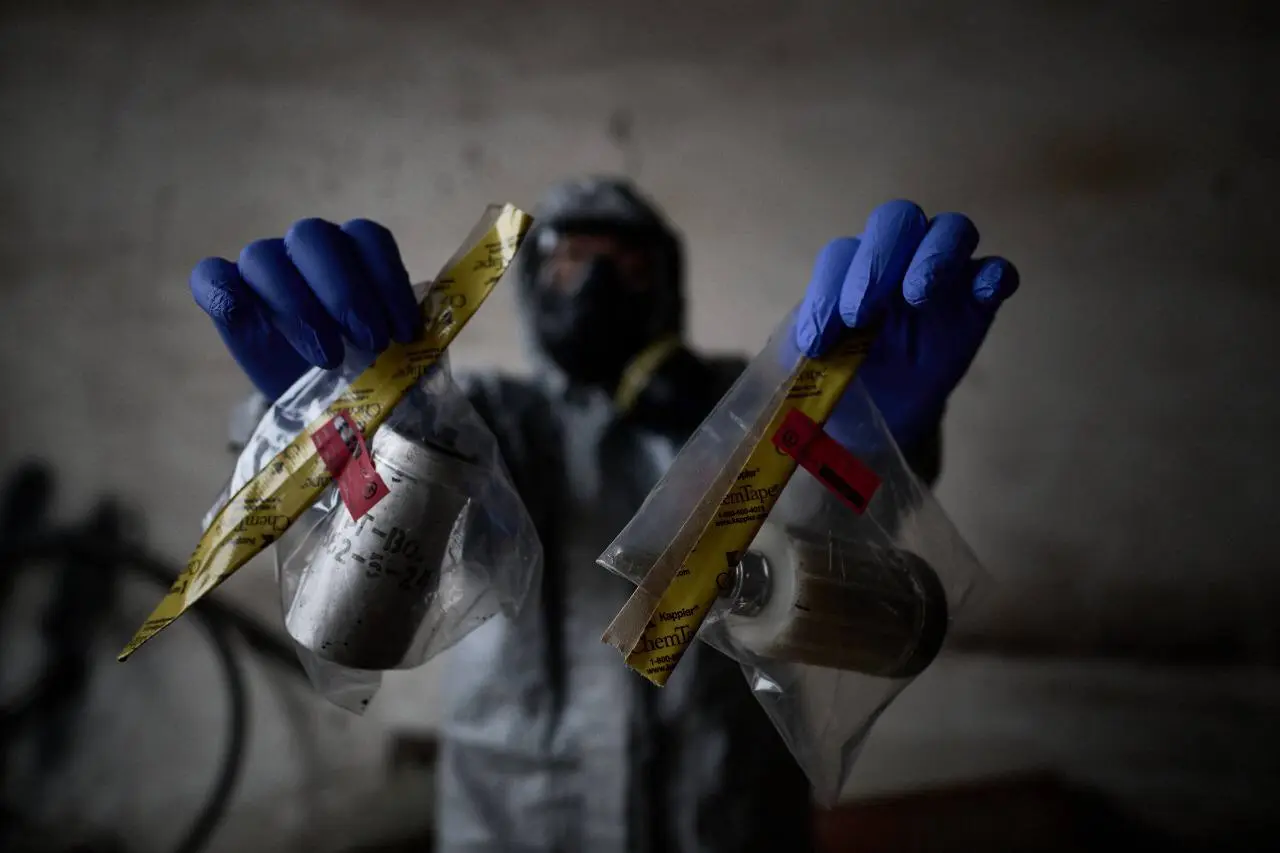
The European Union has imposed additional restrictive measures against three Russian organizations involved in the development and use of chemical weapons in Ukraine.
The European Council’s press service announced this.
The sanctions apply to three structures within the Russian Armed Forces: the Radio-Chemical and Biological Defense Forces, the 27th Scientific Center, and the 33rd Central Research and Testing Institute of the Russian Ministry of Defense.
The European Council notes that the decision was taken on the basis of reports by the Organisation for the Prohibition of Chemical Weapons (OPCW) published in November 2024 and February 2025.
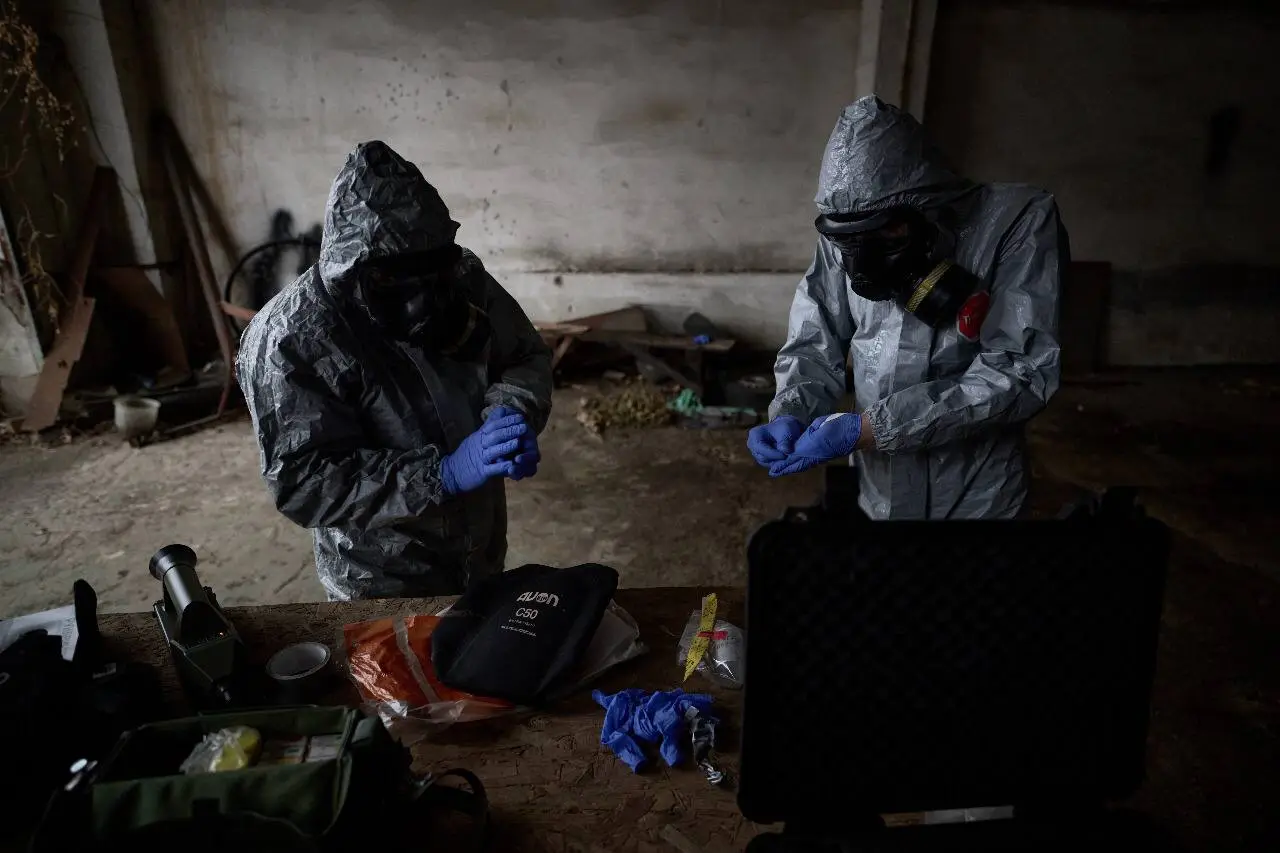
These documents confirm the presence of chemical substances for combating mass unrest, particularly CS (2-chlorobenzylammonium nitrile) and related compounds, in samples collected on the front lines in Ukraine.
“Such substances have been used by Russian troops in Ukraine as a method of warfare, which is a violation of the Chemical Weapons Convention, to which Russia is a state party,” the statement reads.
At the same time, it is emphasized that the Russian Federation has not provided a credible explanation for the widespread use of these agents.
“Given the seriousness of the situation and to strengthen the global norm against the use of chemical weapons, the EU calls on the OPCW to establish in a timely manner the facts of the proven use of riot control agents as a method of warfare,” the statement notes.
The European Council also recalled that EU sanctions against the development and use of chemical weapons currently cover 25 individuals and six organizations.
They are subject to restrictions in the form of asset freezes, bans on providing financial or economic resources, and, for individuals, a ban on entry into the EU.
The first use of Russian RG-Vo hand-held chemical grenades in Ukraine was recorded in 2023.
On May 29, 2024, the propaganda channel RT published a video on social media documenting the throwing of an RG-Vo grenade at a dugout with Ukrainian soldiers.
According to expert analysis, traces of the irritant chemical agent chloracetophenone (CN) were found in the substance released after the grenade exploded.
Chloracetophenone (CN) is prohibited for use as a chemical warfare agent under the Geneva Protocol, adopted by the UN General Assembly in 1969. Its ban was reinforced after the substance was used during the Vietnam War.

CN directly affects the mucous membranes, causing severe irritation of the eyes and respiratory tract, burning, and pain in the eyes, nose, throat, and lungs. It also causes sneezing, coughing, nasal congestion, and a feeling of suffocation.
In addition to RG-Vo, Russian invasion forces also use K-51 gas grenades, which have a tear-inducing effect and contain CS, another irritating chemical.
Russia first used K-51 during the battle for Donetsk airport in 2015.
The K-51 grenade is considered particularly effective against personnel in enclosed spaces without personal protective equipment.
Its effect is much stronger than that of conventional grenades used to disperse demonstrations, as the K-51 was developed specifically for the needs of the army and security forces. The grenade explodes with a delay of approximately 3–4 seconds after activation.
Підтримати нас можна через:
Приват: 5169 3351 0164 7408 PayPal - [email protected] Стати нашим патроном за лінком ⬇
Subscribe to our newsletter
or on ours Telegram
Thank you!!
You are subscribed to our newsletter