





Popular

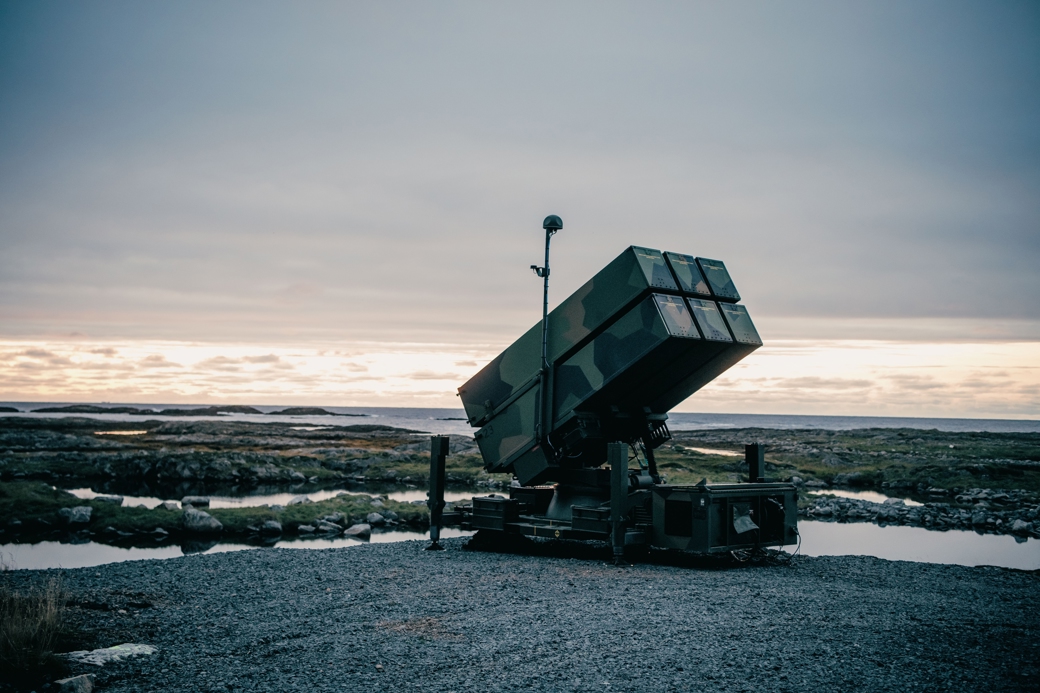
Denmark is set to lease the Norwegian NASAMS air defense system for 2025 as a temporary measure to bolster its national air defense capabilities.
The Danish Ministry of Defence announced the agreement, which was reached between the Danish Ministry of Defence Acquisition and Logistics Organisation (DALO) and the Norwegian Defence Materiel Agency.
Under the deal, Norway will provide Denmark with a NASAMS system following testing and maintenance at Ørland Main Air Station, ensuring it is fully operational before deployment.
Before the system is deployed, Danish air defense specialists will undergo training in Norway to effectively operate the system.
“Tight cooperation with Norway made it possible to conclude this agreement in record time. It’s a great example of how Scandinavian solidarity enhances our shared security,” said Colonel Jan Toft, head of Denmark’s Ground-Based Air Defense development program.
A final decision on a permanent air defense system is expected to be made later in 2025. Meanwhile, two more urgent air defense procurements are planned in the coming months to supplement Denmark’s current capabilities.
Denmark recently announced an emergency purchase of three types of short-range air defense systems to strengthen national security and fulfill its commitments to NATO.
The acquisitions include the IRIS-T system from Germany’s Diehl Defence, the MICA-VL from France’s MBDA France, and the NASAMS system from Norway’s Kongsberg, which is being procured as a temporary solution until the main systems from Germany and France are delivered.

The total value of the procurement package exceeds $570 million and is being financed through the Accelerationsfonden program.
The new systems are expected to arrive in 2026 and will be integrated into Denmark’s overall air defense network, alongside missile frigates and fighter jets.
Militarnyi previously reported that the Swedish government had approved the sale of four GlobalEye airborne early warning aircraft to Denmark.
The GlobalEye aircraft to be purchased by Denmark will be equipped with the Erieye radar system, capable of tracking aerial targets within a 650 km range and ground targets up to 425 km. According to Saab, the radar, which uses AESA (active electronically scanned array) technology, is sensitive enough to detect drones at distances ranging from 100 km to 600 km.
Підтримати нас можна через:
Приват: 5169 3351 0164 7408 PayPal - [email protected] Стати нашим патроном за лінком ⬇
Subscribe to our newsletter
or on ours Telegram
Thank you!!
You are subscribed to our newsletter