









Popular

The British Ministry of Defense expects the first Type 45 destroyer with anti-missile capabilities to be ready in 2027.
This was reported by the UK Defence Journal, citing a parliamentary response.
The upgraded destroyers are expected to achieve initial operational capability against short- and medium-range ballistic missiles in 2027 as part of the Sea Viper Evolution Capability One program.
At the same time, full operational capability for all ships is expected to be achieved in 2032. This will expand the British Navy’s area of responsibility and allow it to counter a greater number of targets.
“Both Sea Viper Evolution programs continue to show progress. Capability One, which is the initial level of the Royal Navy’s anti-ballistic defense system, is expected to reach full operational readiness at the end of 2032,” Defense Minister Luke Pollard said in response to Conservative MP James Cartledge.
The implementation of the Sea Viper Evolution Capability Two program currently requires appropriate investment and development, so the exact timing has not yet been determined. However, its introduction will enable British destroyers to provide anti-ballistic defense at the theater of war level.
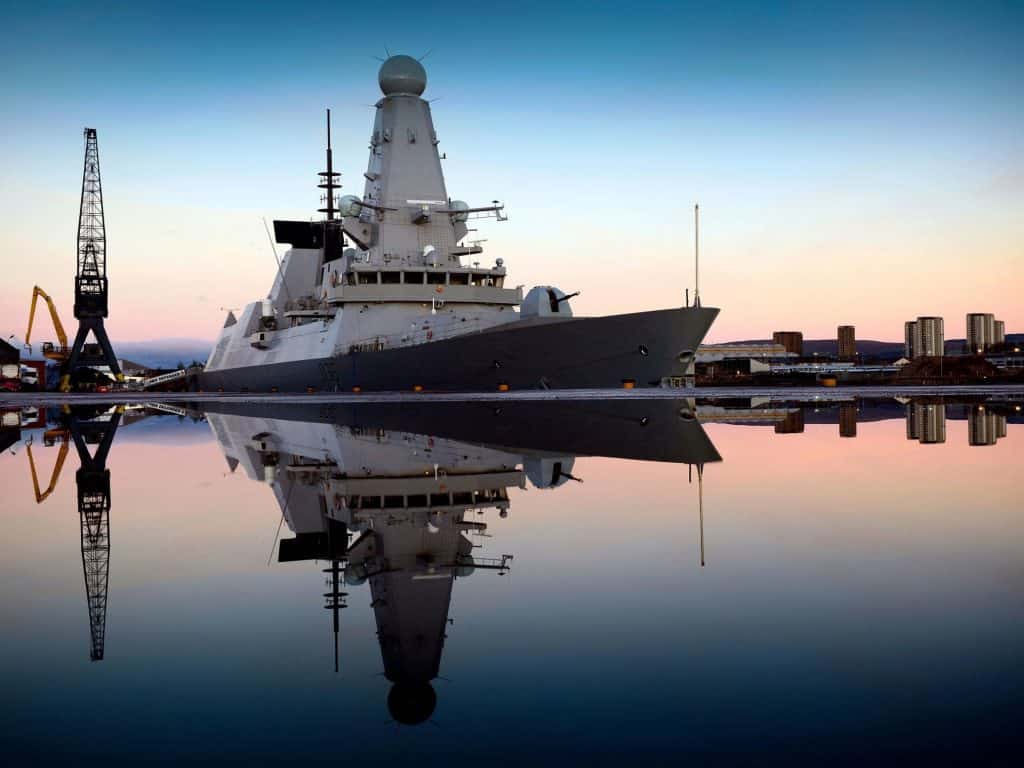
In general, Sea Viper Evolution involves the modernization of radar equipment, primarily the SAMSON multifunctional radar stations. They are responsible for detecting and transmitting priority target data to the missile system.
As of today, Britain uses Aster 30 Block 0 missiles, designed exclusively for air defense. The new Aster 30 Block 1 NT missiles will significantly expand these capabilities.
The Aster 30 Block 1 NT is a two-stage missile, featuring a combination of PAF aerodynamic control and PIF direct force control. The latter uses side engines located directly at the center of gravity of the warhead stage.
According to the manufacturer, this concept provides exceptional maneuverability across the entire interception range, especially at high altitudes. The missile is also equipped with a non-contact fuze and a fragmentation warhead.
Missile specifications:
It should be noted that in addition to strengthening its anti-missile capabilities, the Royal Navy is simultaneously increasing the number of missiles on its ships. As part of the modernization, British destroyers will receive additional vertical launchers for CAMM missiles.
The installation of new VLS will free up space for up to 48 Aster 30 Block 1 NT missiles, which will be housed in Sylver launchers. The naval version of the CAMM missile, known in the Royal Navy as Sea Ceptor, will replace the Italian-French Aster 15 anti-aircraft missiles in 24 additional VLS that will be installed.
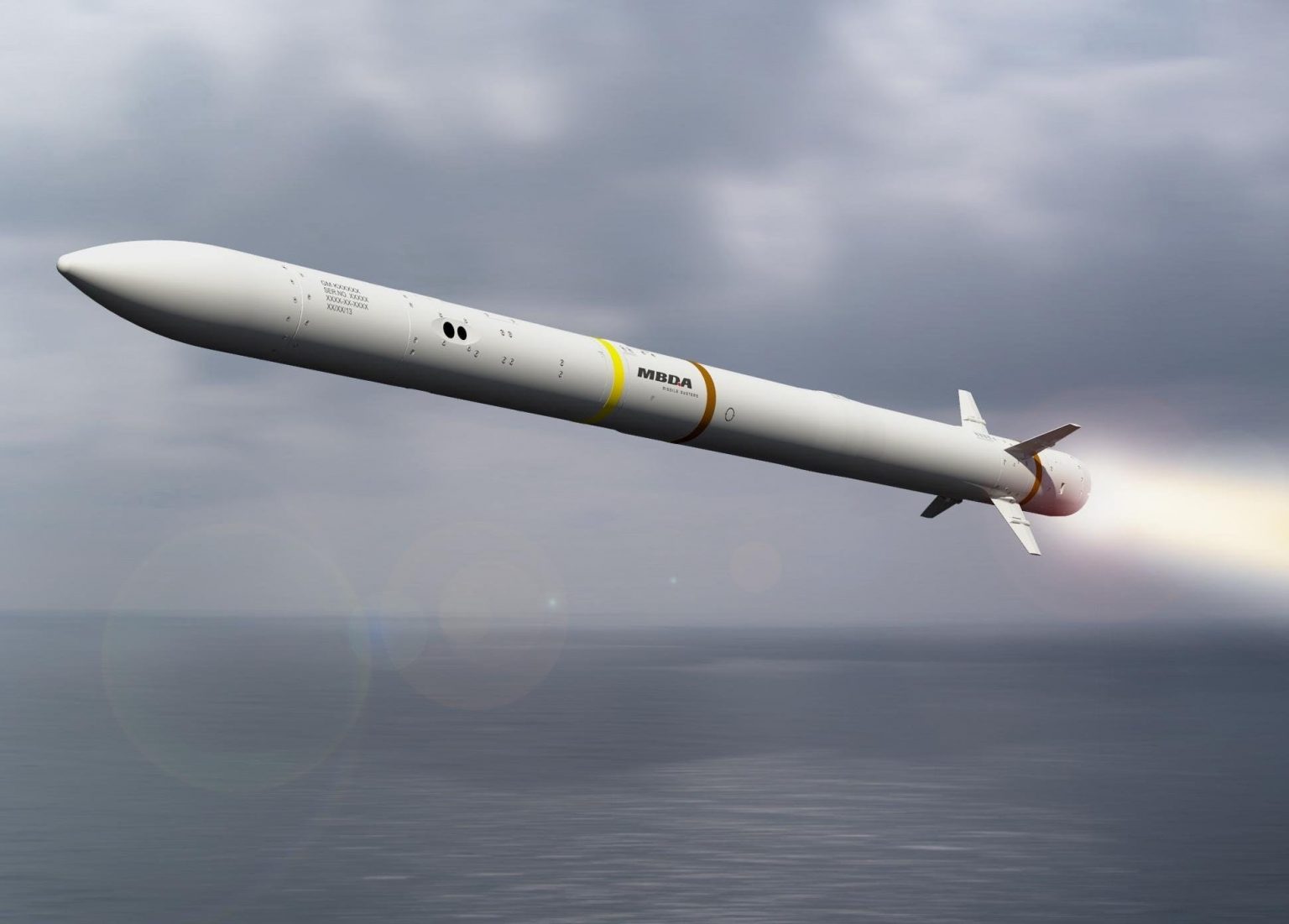
Since the Aster 15 missiles previously occupied the Sylver VLS cells, their removal from service will provide more space for the long-range Aster 30.
It remains unknown what type of vertical launch system the British will use on Type 45 destroyers for Sea Ceptor missiles. The modernization contract is worth $514 million, and the work itself is scheduled to begin in 2025–2026.
Підтримати нас можна через:
Приват: 5169 3351 0164 7408 PayPal - [email protected] Стати нашим патроном за лінком ⬇
Subscribe to our newsletter
or on ours Telegram
Thank you!!
You are subscribed to our newsletter