

Popular

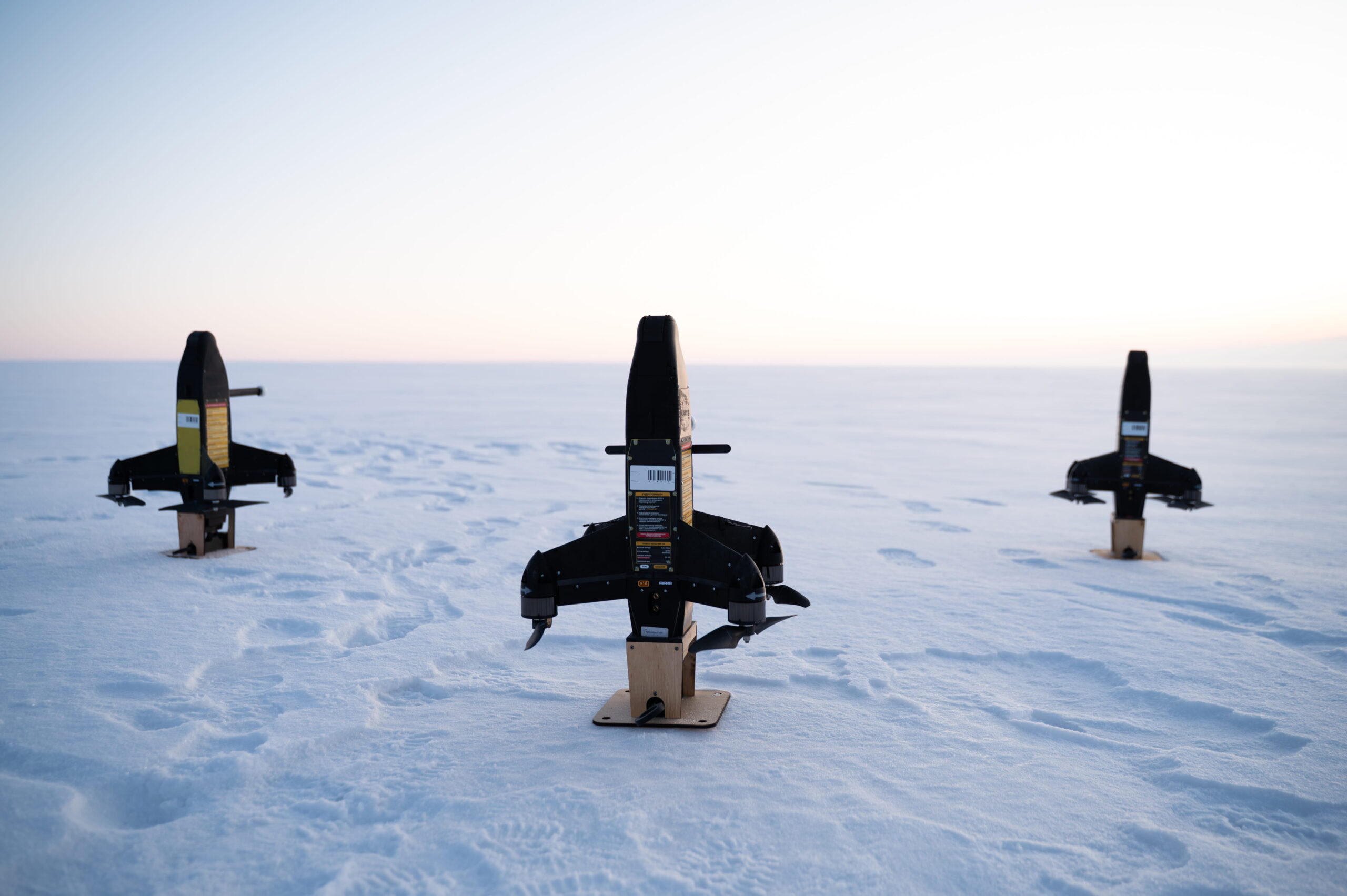
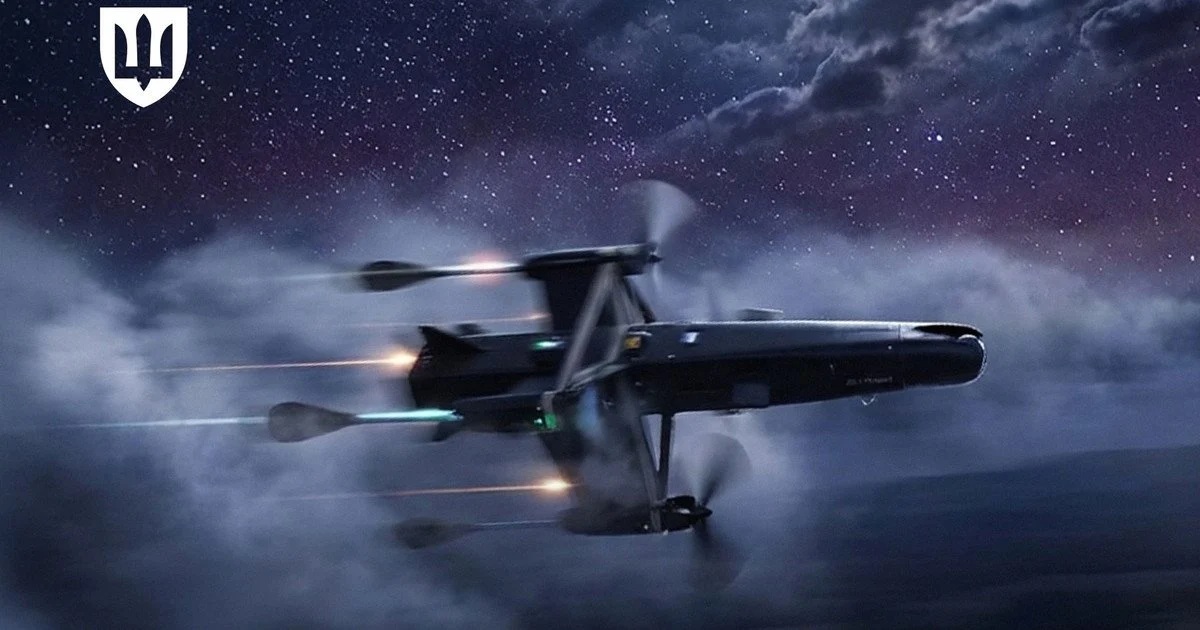
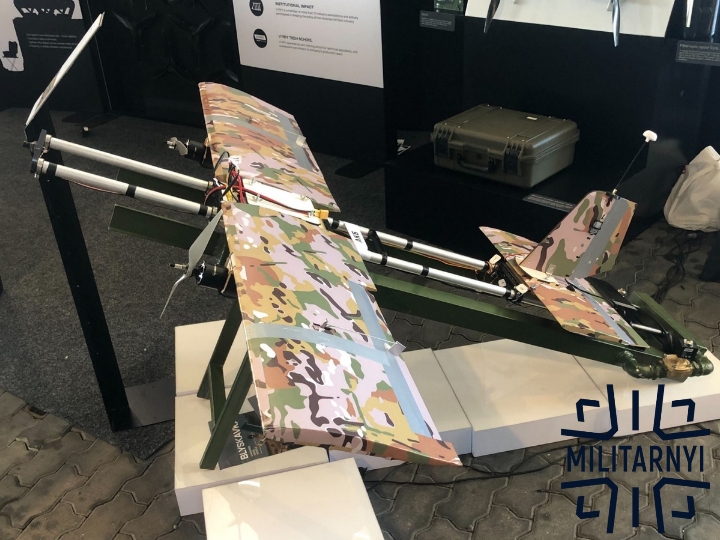
The Ukrainian company Vyriy has developed new versions of the Blyskavka UAV, which can now use alternative control systems, and is working on implementing a guidance system.
This was announced in an interview with Militarnyi by Vyriy director Oleksiy Babenko.
According to Oleksiy Babenko, the drones can now be controlled using fiber optics, Starlink satellite communications, and an LTE system with a digital video channel.
“In short, everything you can think of is already there. Perhaps not everything has been announced or shown yet, but everything has been tested in combat conditions and works,” he emphasized.
The drone also has a cruise mode, and work is underway on an optional guidance system, which, as stated, will be able to reliably distinguish military equipment from non-military equipment.
In addition, Blyskavka was tested with laser guidance using a target designator from another UAV, but the system proved to be “not very accurate,” so the company abandoned this configuration.
Blyskavka is designed to engage complex and well-protected targets, including dugouts, fortifications, warehouses, and stationary communication nodes. The drone is based on a heavily modified Russian Molniya platform.
The complex is designed to perform tasks that FPV drones cannot perform effectively due to limitations in range, payload weight, and effectiveness in striking fortified targets.
The UAV costs 35,000 hryvnia, and the tactical range of the Blyskavka reaches up to 40 km. The maximum range with a repeater is stated as up to 80 km, but this figure depends on the actual weight of the combat unit. According to Oleksiy Babenko, the record for use was about 100 kilometers.
The maximum payload for the Blyskavka, recommended by the manufacturer, is 8 kilograms, but in practice, there have been cases of use with loads of up to 13 kg.

According to the director of Vyriy, as of early March, production of Blyskavka had reached “a thousand drones per month, and there is room to scale up further.” The main limitation at the moment is the logistics of supplying components.
At the same time, demand for drones remains high: “people want to buy more than we can sell,” but the company has a policy of not selling drones to units that do not have trained crews.
“People often think, ‘I’ve already flown a Dart or an FPV drone, so I’ll just take it and fly it. But no. You have to come for a day, or the Lightning crew can come to you for a day, teach you everything you need to know, and let you fly it yourself. After that, you will have a normal hit rate and the maximum percentage of successful takeoffs and landings. And the “we’ll figure it out ourselves” approach doesn’t work. It really doesn’t work. So now the limitation is that we need to train a large number of crews, and the queue is long. Because of this, crews are sometimes forced to wait,” he emphasized.
Підтримати нас можна через:
Приват: 5169 3351 0164 7408 PayPal - [email protected] Стати нашим патроном за лінком ⬇
Subscribe to our newsletter
or on ours Telegram
Thank you!!
You are subscribed to our newsletter