





Popular
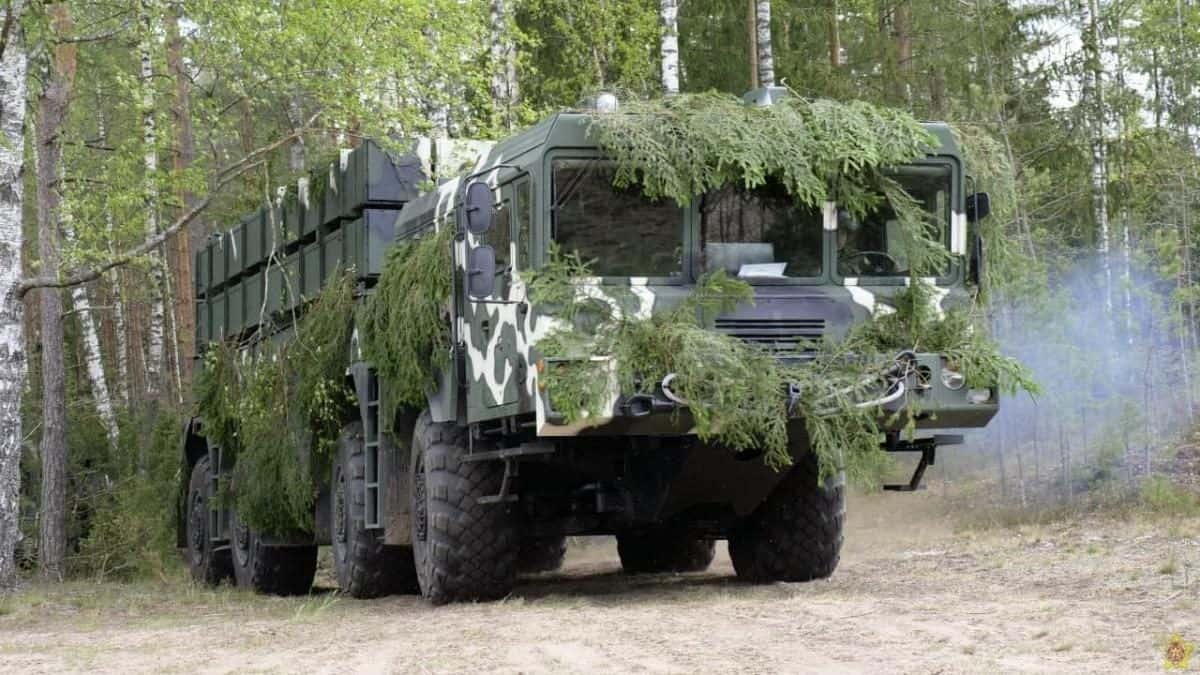
The Belarusian Polonez operational-tactical missile system may be equipped with a nuclear warhead, which Russian specialists are currently working on.
This was announced in an interview with the propaganda outlet Sputnik Belarus by Gennady Lepeshko, head of the National Security Commission of the House of Representatives of the National Assembly of Belarus.
He also stated that during the Zapad exercises, they worked out an algorithm for the use of nuclear weapons.
This refers to aviation and missile systems that could potentially carry nuclear weapons.
“In addition, I have heard that Russia and Belarus are conducting joint developments to enable the use of nuclear weapons, including from Polonez missiles,” Lepeshko said.
The Belarusian Polonez missile system is an adaptation of the Chinese GATSS multifunctional missile system for the Belarusian MZKT-7930 Astrolog wheeled chassis.
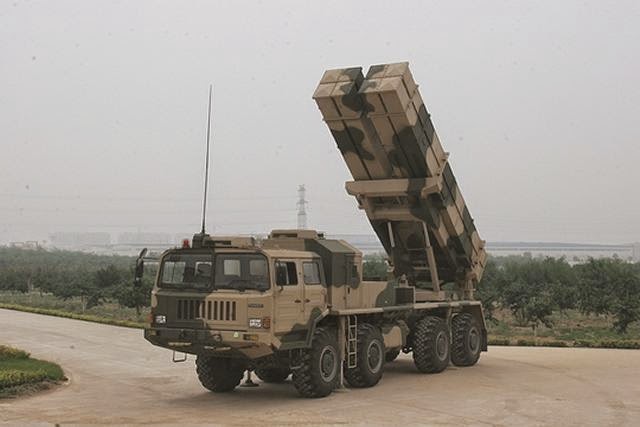
The Polonez was first demonstrated in 2015 in Minsk at a military parade. In 2016, the Polonez complex completed state trials and was adopted by the armed forces of the Republic of Belarus.
Declared tactical and technical characteristics:
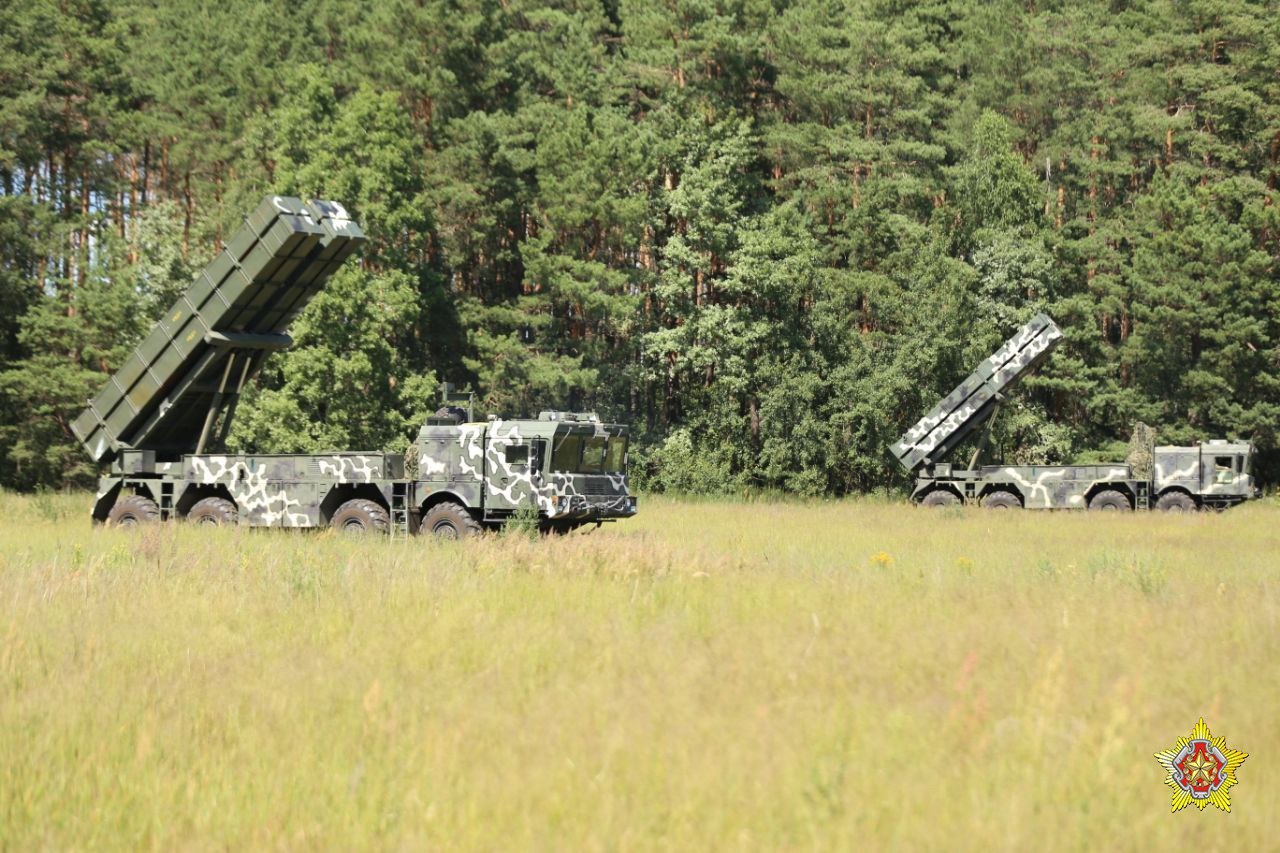
Operators
Currently in service with the 336th Rocket Artillery Brigade (Osipovichi). In 2018, Azerbaijan became an operator of the systems.
In 2022, the country’s leader, Alexander Lukashenko, threatened to fire missiles at Kyiv from the Polonez complex:
“A little less than a month ago, I gave the order to the Armed Forces to target, as they say now, the decision-making centers in your capitals… I have been preparing for this for a long time, remember, I have been telling you all along – ”Polonez”… You are completely within range of these missiles. And I will not look at who is sitting in the offices or palaces,” the Belarusian dictator voiced his threats.
In 2021, Dmitry Pantus, head of Belarus’ State Military Industry Committee, announced that a missile had finally been developed for the Polonez, with an increased range of up to 300 kilometers. As of spring 2022, it was still being tested, and in November 2023, it was adopted for service as part of a complex called Polonez-M.
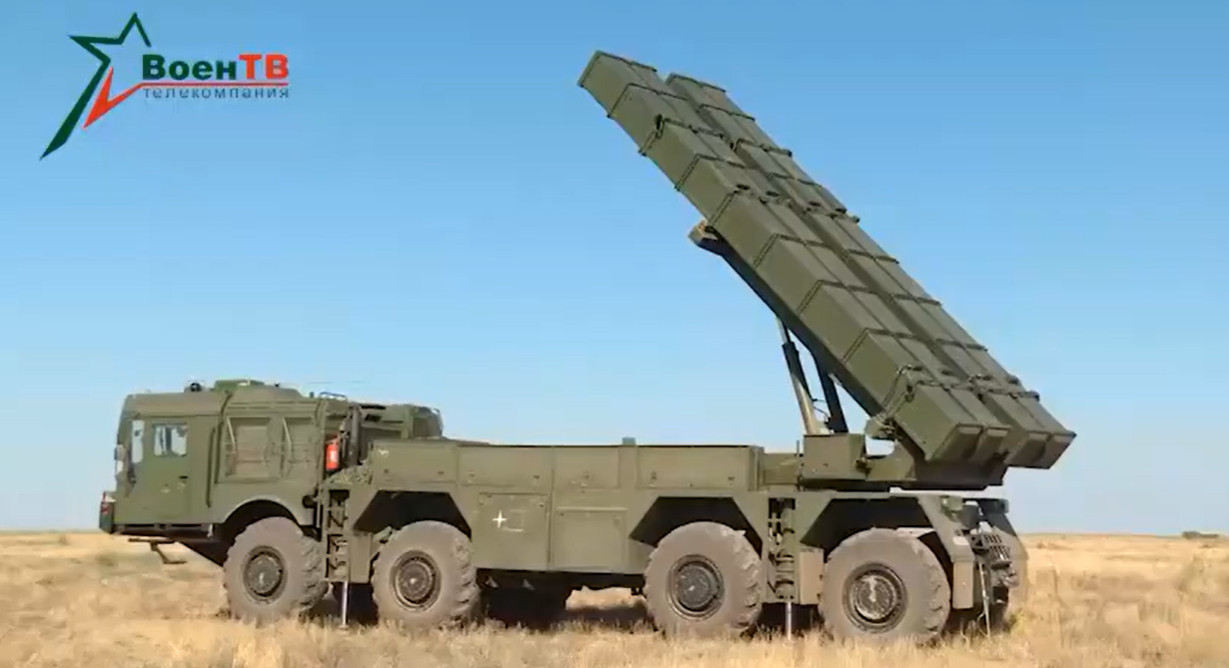
Prior to this, in September 2023, Lukashenko stated that Belarus was using Russian technology to create a “serious” missile.
“We are developing missile production. We started developing it with China. Now we have switched to Russian technology. We will make a missile, a serious missile,” Lukashenko said at the time.
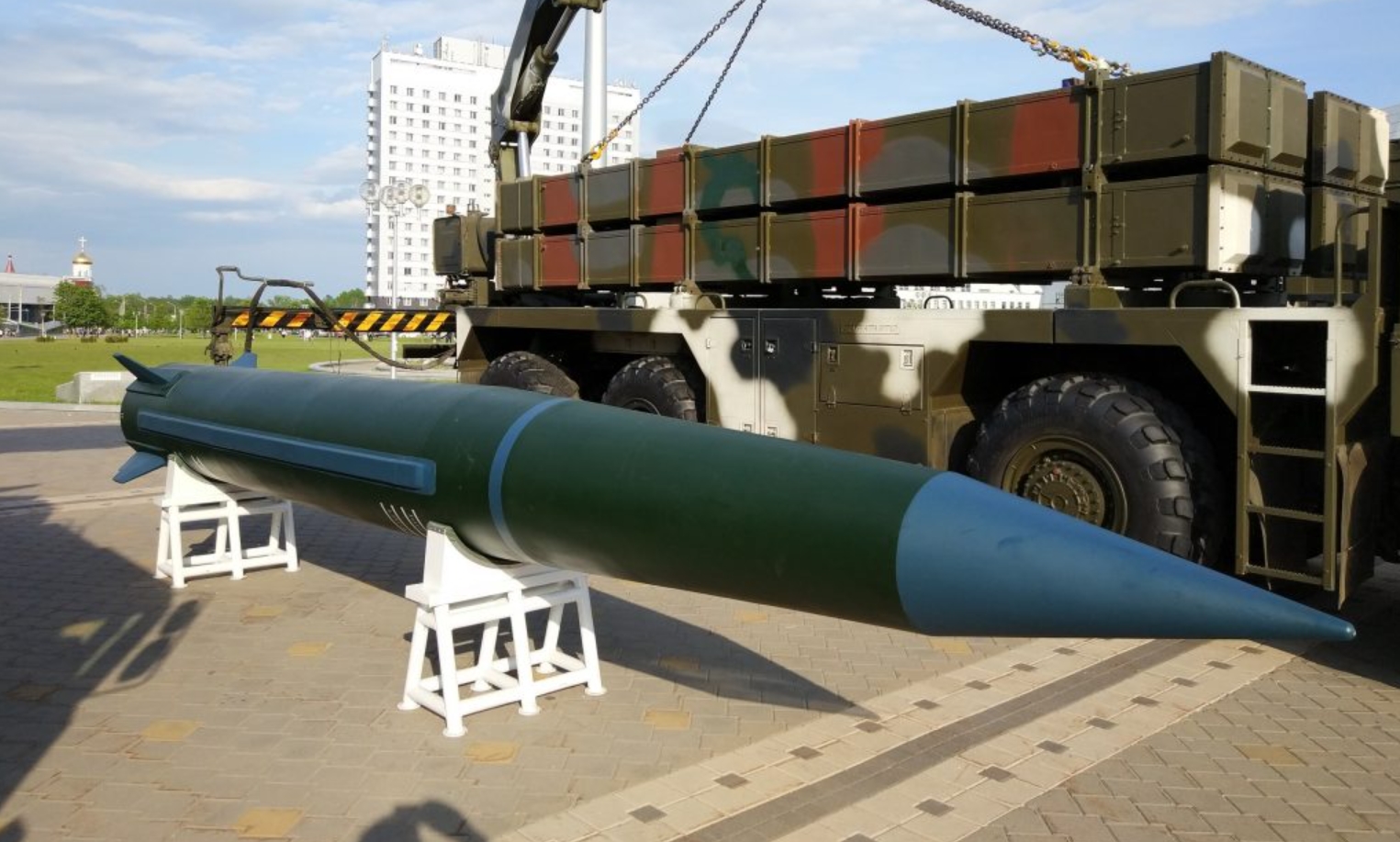
You can read more about the complex in Mariner’s column “Belarus’s Missile Program.”
In early 2023, the Belarusian military began operating Iskander-M operational-tactical missile complexes, which have a range of up to 500 km.
The materials published by the Belarusian Ministry of Defense show the Iskander-M and Iskander-K complexes.
Earlier, Belarusian military personnel underwent training in Russia, and on February 24, 2023, the Belarusian Ministry of Defense published a video featuring a missile unit on the Iskander-M OTRK.
Belaruski Gayun noticed that part of the launchers’ cabins had been blurred in the published video. As it turned out, red star symbols had been retouched on the vehicles, which may indicate that these missile systems were used by Russian troops for missile strikes against Ukraine.
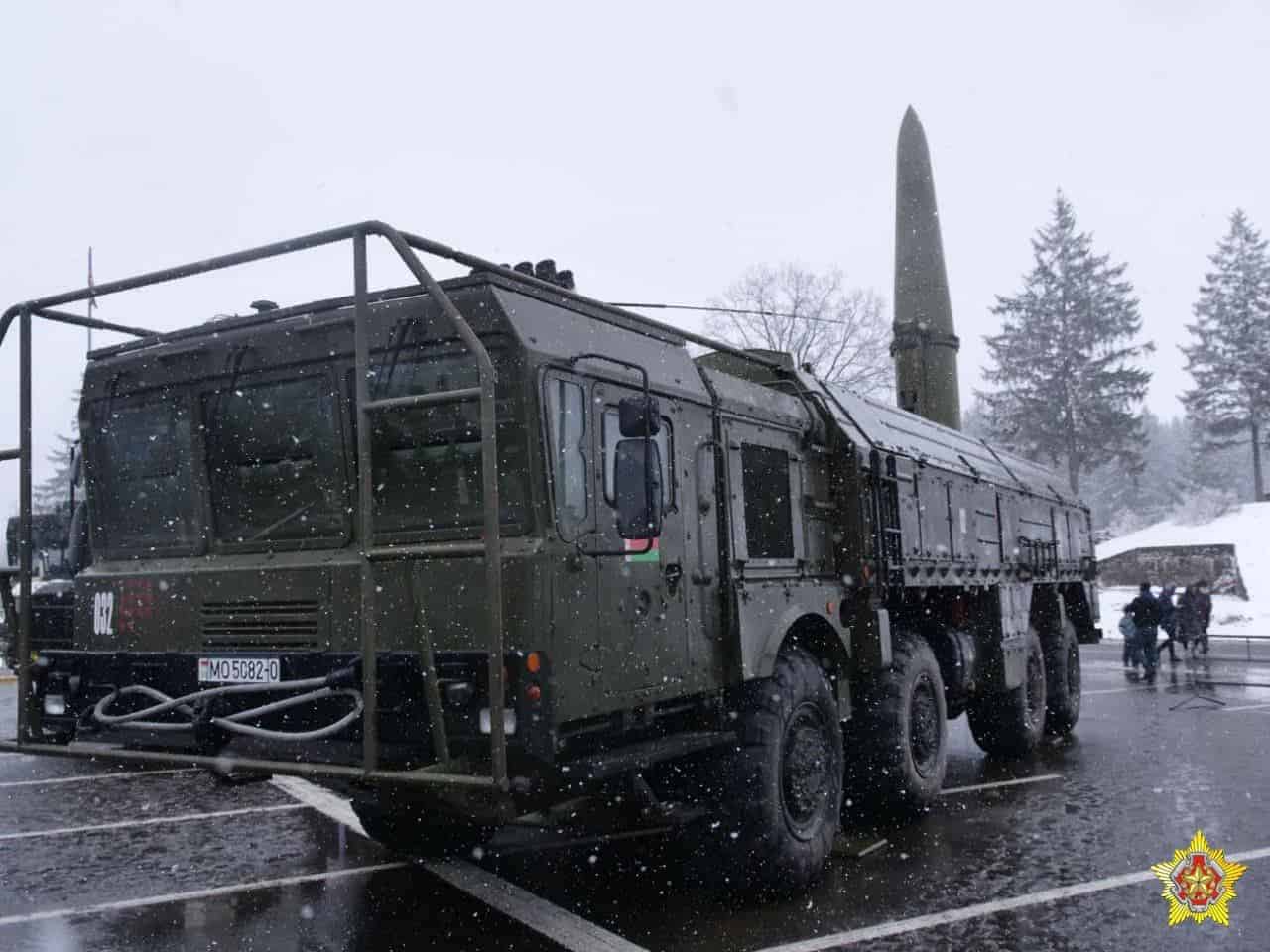
Nuclear warheads with a declared yield of up to 50 kilotons have already been created in Russia for these complexes. It is likely that Gennady Lepeshko was referring to them when he spoke about testing the algorithm during the Zapad exercises.
Підтримати нас можна через:
Приват: 5169 3351 0164 7408 PayPal - [email protected] Стати нашим патроном за лінком ⬇
Subscribe to our newsletter
or on ours Telegram
Thank you!!
You are subscribed to our newsletter